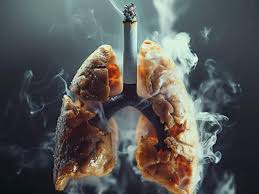
Smoking has long been associated with several serious health conditions, such as cardiovascular diseases and cancer.
However, a growing body of research shows that smoking can also increase the risk of developing Type 2 diabetes, a metabolic disorder that affects millions of people worldwide.
Smokers, both current and former, are at a greater risk of developing Type 2 diabetes compared to non-smokers.
In this article, bestdietarysupplementfordiabetics.com shall explore the various mechanisms that link smoking to Type 2 diabetes, and how smoking exacerbates complications in people already living with the condition.
We will delve into the following topics:
Points Covered in this Article:
- How Smoking Affects Glucose Metabolism
- Nicotine’s Impact on Insulin Sensitivity
- Inflammation and Oxidative Stress as Drivers of Diabetes in Smokers
- How Smoking Increases the Risk of Insulin Resistance
- The Effect of Smoking on Diabetes-Related Complications
- Does Smoking Cessation Improve Diabetes Outcomes?
- Second-Hand Smoke and Type 2 Diabetes
- Preventing Smoking-Related Diabetes Risks
- FAQs on Smoking and Type 2 Diabetes
- Conclusion: Solutions for Reducing Diabetes Risk for Smokers
How Smoking Affects Glucose Metabolism?
One of the first and most critical mechanisms linking smoking to Type 2 diabetes is its disruption of glucose metabolism.
Scientific research shows that cigarette smoke reduces insulin sensitivity in both muscle and liver tissues, making it difficult for the body to effectively absorb and utilize glucose.
As a result, blood sugar levels remain elevated—a key step in the development of insulin resistance and, eventually, Type 2 diabetes.
Nicotine, a primary compound in tobacco smoke, interferes with pancreatic beta-cell function. These beta cells are responsible for producing insulin, and nicotine exposure impairs their ability to do so efficiently.
This dysfunction is further worsened by oxidative stress, a condition caused by an excess of free radicals, which damages cellular structures and disrupts insulin signaling.
Additionally, smoking promotes chronic low-grade inflammation throughout the body. It increases the circulation of pro-inflammatory cytokines such as tumor necrosis factor-alpha (TNF-α) and interleukin-6 (IL-6), which are both known to impair insulin action.
This inflammation contributes directly to insulin resistance, a hallmark of Type 2 diabetes.
Smoking also stimulates the release of stress hormones like adrenaline and cortisol, both of which cause an increase in blood glucose levels. This hormonal response not only raises blood sugar but also places further strain on insulin-producing cells.
Clinical studies have observed that smokers exhibit significantly reduced glucose uptake during insulin tolerance tests compared to non-smokers. Smokers with existing diabetes are also more likely to experience poor glycemic control and may require more aggressive treatment.
Together, these findings emphasize that smoking is a potent disruptor of glucose homeostasis, making cessation a vital strategy in preventing and managing Type 2 diabetes.
Real-Life Example:
A study published in the American Journal of Epidemiology tracked over 70,000 women and found that smokers had a higher incidence of elevated blood sugar levels and impaired glucose tolerance compared to non-smokers.
This study demonstrated a clear association between smoking and glucose regulation problems, a crucial factor in developing Type 2 diabetes.
Nicotine’s Impact on Insulin Sensitivity
Nicotine, the addictive substance in cigarettes, plays a significant role in reducing insulin sensitivity, a condition known as insulin resistance.
Insulin is a hormone responsible for helping cells absorb glucose from the bloodstream, but when cells become resistant to insulin, blood sugar levels rise, leading to Type 2 diabetes.
Research indicates that nicotine stimulates the release of stress hormones like cortisol and catecholamines, which interfere with insulin’s ability to function efficiently.
Scientific Evidence:
A study in the Journal of Clinical Investigation found that smokers exhibit higher levels of insulin resistance compared to non-smokers, even after controlling for other factors like body mass index (BMI) and physical activity.
This means that smoking, independent of other lifestyle factors, directly worsens insulin sensitivity.
Inflammation and Oxidative Stress as Drivers of Diabetes in Smokers
Chronic inflammation and oxidative stress are major factors that contribute to the development of Type 2 diabetes, and smoking is known to exacerbate both conditions.
Smoking introduces harmful free radicals into the body, which cause cellular damage and lead to chronic inflammation.
This inflammation not only affects the lungs but also damages insulin-producing cells in the pancreas, further impairing the body’s ability to regulate blood sugar.
Real-Life Example:
According to a study in the Journal of the American College of Cardiology, smokers showed increased markers of inflammation such as C-reactive protein (CRP), which is directly linked to the development of insulin resistance.
The study also indicated that higher levels of oxidative stress from smoking accelerate the progression of diabetes in those who are genetically predisposed.

How Smoking Increases the Risk of Insulin Resistance?
Smoking causes a variety of metabolic disturbances that increase the risk of insulin resistance, a key driver in the onset of Type 2 diabetes.
When nicotine and other chemicals from cigarette smoke enter the bloodstream, they reduce the ability of insulin to bind to its receptors on cells, leading to insulin resistance.
As a result, the body is unable to efficiently process glucose, leading to increased blood sugar levels.
Scientific Study:
In a landmark study published in the New England Journal of Medicine, researchers found that smokers had a 30-40% higher chance of developing insulin resistance compared to non-smokers.
The study, which included over 100,000 participants, concluded that smoking not only raises the risk of developing Type 2 diabetes but also worsens blood sugar control in those already diagnosed with the condition.
The Effect of Smoking on Diabetes-Related Complications
For individuals already diagnosed with Type 2 diabetes, smoking can significantly worsen complications.
Smoking and diabetes both narrow blood vessels, leading to poor circulation, which heightens the risk of cardiovascular disease, neuropathy, kidney disease, and amputations.
Smokers with Type 2 diabetes are more likely to develop severe complications compared to non-smokers with the same condition.
Real-Life Example:
A study in Diabetes Care found that smokers with Type 2 diabetes had a 50% higher risk of cardiovascular disease compared to non-smokers with diabetes.
The research concluded that the combination of smoking and diabetes accelerates damage to blood vessels and organs, significantly increasing the likelihood of complications.
Does Smoking Cessation Improve Diabetes Outcomes?
The good news is that quitting smoking can help improve blood sugar levels and insulin sensitivity, thus reducing the risk of developing Type 2 diabetes or worsening the condition.
Studies show that within weeks of quitting, insulin sensitivity begins to improve, and the body’s ability to regulate glucose starts to recover.
However, it is important to note that there may be a short-term weight gain after quitting smoking, which should be managed carefully to prevent diabetes-related risks.
Scientific Evidence:
A study in the Journal of the American Medical Association (JAMA) observed that people who quit smoking had better long-term glucose control and lower risk of diabetes complications compared to those who continued to smoke.
While the initial weight gain following cessation may temporarily affect glucose levels, the overall benefits of quitting far outweigh the risks.
Second-Hand Smoke and Type 2 Diabetes
It’s not just smokers who are at risk—exposure to second-hand smoke can also increase the likelihood of developing Type 2 diabetes.
Inhaling smoke from others introduces the same harmful chemicals that can disrupt insulin function and promote inflammation.
Real-Life Example:
A study conducted by the American Diabetes Association found that people exposed to second-hand smoke had a 20-30% higher risk of developing Type 2 diabetes compared to those with no smoke exposure.
This underscores the importance of avoiding environments where smoking is prevalent, especially for individuals at high risk for diabetes.
Preventing Smoking-Related Diabetes Risks
The first step in reducing the risk of smoking-induced Type 2 diabetes is to quit smoking.
For people at risk of diabetes or those already diagnosed, quitting smoking can significantly reduce the likelihood of developing insulin resistance or worsening existing complications.
Additionally, maintaining a healthy lifestyle through diet, exercise such as cycling, and regular medical checkups can help mitigate the effects of past smoking on glucose metabolism.
Real-Life Example:
An educational program initiated by the Centers for Disease Control and Prevention (CDC) aimed at reducing smoking in diabetic patients showed a significant improvement in diabetes management outcomes.
Patients who quit smoking reported fewer complications and better blood sugar control within a year of quitting.

FAQs on Smoking & Type 2 Diabetes
Q-1: How does smoking increase risk of type 2 diabetes in adults?
A-1: Smoking increases the risk of developing type 2 diabetes by approximately 30% to 40%, according to large population studies in the United States. Chemicals in tobacco damage cells and interfere with insulin function, making it harder for the body to regulate blood sugar.
Data from nationwide health surveys show that adults who smoke regularly are significantly more likely to develop metabolic disorders compared to non-smokers. This risk rises with the number of cigarettes smoked daily, making long-term smokers particularly vulnerable.
Q-2: What is the link between cigarette smoking and insulin resistance?
A-2: Cigarette smoking contributes directly to insulin resistance, a condition where the body’s cells do not respond properly to insulin. Research indicates smokers can have 15% to 25% higher insulin resistance levels than non-smokers.
Nicotine and other toxins disrupt insulin signaling pathways, forcing the pancreas to produce more insulin. Over time, this imbalance can lead to chronically elevated blood sugar levels and eventually type 2 diabetes.
Q-3: Can smoking cause type 2 diabetes or worsen blood sugar levels?
A-3: Smoking not only increases the risk of developing type 2 diabetes but also worsens blood sugar control in those already diagnosed. Studies show smokers with diabetes experience up to 20% higher average blood glucose levels compared to non-smokers.
Smoking also increases inflammation and oxidative stress, which further complicates glucose management and raises the likelihood of complications such as nerve damage and cardiovascular disease.
Q-4: How does nicotine affect blood glucose and insulin sensitivity?
A-4: Nicotine, the primary addictive substance in cigarettes, negatively affects both blood glucose levels and insulin sensitivity. It stimulates the release of stress hormones like cortisol and adrenaline, which can raise blood sugar levels by 10% to 15% after exposure.
At the same time, nicotine reduces insulin efficiency, making it harder for glucose to enter cells. This dual effect contributes significantly to long-term metabolic imbalance.
Q-5: Is there a direct connection between smoking and type 2 diabetes risk?
A-5: Yes, there is a well-established direct connection. Epidemiological studies across North America have shown that current smokers have about a 37% higher risk of developing type 2 diabetes compared to never-smokers.
This association remains strong even after adjusting for factors like age, weight, and physical activity, confirming smoking as an independent risk factor.
Q-6: Does quitting smoking reduce risk of developing type 2 diabetes?
A-6: Quitting smoking significantly reduces the risk over time. Within 5 years of quitting, the risk of developing type 2 diabetes can drop by nearly 10% to 15%, and it continues to decline further with long-term abstinence.
Public health programs implemented across the United States have shown that individuals who quit smoking improve their metabolic health and insulin sensitivity progressively.
Q-7: How does secondhand smoke increase type 2 diabetes risk?
A-7: Exposure to secondhand smoke also increases the risk of type 2 diabetes, even in non-smokers. Research indicates a 20% to 30% higher risk among individuals regularly exposed to environmental tobacco smoke.
This was highlighted during major public health campaigns like smoke-free workplace initiatives in cities such as New York, where reducing exposure contributed to improved community health outcomes.
Q-8: Why are smokers more likely to develop type 2 diabetes?
A-8: Smokers are more likely to develop type 2 diabetes due to a combination of factors including increased abdominal fat, chronic inflammation, and hormonal imbalances.
Studies show smokers tend to have up to 18% more visceral fat, which is strongly linked to insulin resistance. Additionally, smoking alters lipid metabolism, further increasing diabetes risk.
Q-9: What is the impact of smoking on blood sugar control in diabetics?
A-9: For individuals with diabetes, smoking makes blood sugar control more difficult. Smokers often require higher doses of insulin or medication and still experience unstable glucose levels.
Clinical observations indicate that smoking can increase the risk of poor glycemic control by over 25%, leading to a higher chance of complications such as kidney disease and vision problems.
Q-10: What scientific evidence links smoking to type 2 diabetes development?
A-10: Strong scientific evidence from large-scale cohort studies and global health analyses confirms the link between smoking and type 2 diabetes.
For example, research involving millions of participants worldwide has consistently shown a 30% to 40% increased risk among smokers.
Major health monitoring events and longitudinal studies in the United States have reinforced these findings, making smoking one of the most preventable risk factors for diabetes development.
Solutions for Reducing Diabetes Risk for Smokers
Smoking is a significant risk factor for Type 2 diabetes, both in terms of increasing the likelihood of developing the disease and exacerbating its complications.
The chemicals in cigarette smoke interfere with glucose metabolism, reduce insulin sensitivity, and promote inflammation—key drivers of Type 2 diabetes.
For smokers and those exposed to second-hand smoke, the risk of developing diabetes is significantly higher than for non-smokers.
The most effective way to reduce the risk of smoking-related diabetes is to quit smoking.
For those who have already been diagnosed with diabetes, quitting smoking can help improve blood sugar control, reduce the risk of complications, and promote overall health.
If you are looking to quit, there are many resources available, including smoking cessation programs, supplements that lower blood sugar fast, nutritional counseling, and medications such as metformin tablet, which can greatly increase your chances of success.
Taking action to quit smoking is one of the best decisions you can make for your long-term health, especially when it comes to reducing the risk of Type 2 diabetes.
References:

admin
All Posts