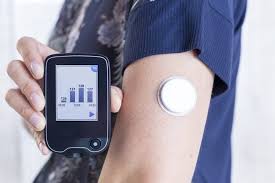
A Continuous Glucose Monitor (CGM) has revolutionized the way of managing day-to-day glucose levels.
Whether one has diabetes, prediabetes, insulin resistance, or just wants to take care of their metabolic health – a CGM provides unprecedented insight into glucose trends in the body.
One does not have to guess what and how their body reacts to food, stress, physical activity, sleep patterns, and medication – all of that can be seen in real-time with a CGM.
Blood sugar levels are unpredictable for most of us, seeing the actual patterns makes it possible to make adjustments to have more consistent levels and avoid dangerous highs and lows.
This informative article from bestdietarysupplementfordiabetics.com will give you all the necessary insights on the practical usage of a continuous glucose monitor for day-to-day glucose level stability.
It is all about real people and their real-life glucose data and trends.
You will learn how to utilize the information provided by a CGM to make adjustments to your own glucose regulation and get your levels within the optimal range.
Points Covered in this Article
- What a CGM Really Measures (and Why It Matters)
- Why CGMs Are So Effective for Blood Sugar Stability
- How to Set the Right Blood Sugar Target Range
- How to Read CGM Graphs and Trend Arrows Correctly
- Using CGM Alerts to Prevent Highs and Lows
- Using CGM Data to Improve Meals and Nutrition
- Using Physical Activity to Smooth Glucose Spikes
- How to Review Weekly CGM Data for Better Control
- Common CGM Mistakes That Prevent Stability
- FAQs on CGM to Control Blood Sugar Spikes
- Advanced Strategies to Maximize CGM Results
What a CGM Really Measures (and Why It Matters)?
A CGM (Continuous Glucose Monitor) is a device which measures glucose levels in your interstitial fluid (just underneath your skin) and reports this information constantly, every 1-5 minutes.
Because a CGM provides a constant stream of information about glucose levels, this can allow you to better stabilize blood sugar levels throughout the day.
Instead of measuring blood sugar levels several times per day, you now have a tool which can measure blood sugar levels hundreds of times per day, and give you an informative look at how glucose levels change throughout your day.
This can be important because glucose levels rarely act erratically on their own.
If you are testing your blood sugar levels manually (via a finger-prick test), you may get a certain value (say, 2 hours after eating).
However, if a CGM was tracking your glucose levels, it could tell you that right after that same meal, your blood sugar spiked dangerously high, then rapidly dropped back down to “normal” afterwards.
This could cause feelings of fatigue, cravings, and irritability, even if your blood sugar levels were seemingly normal.
Additionally, patterns in your glucose levels can highlight certain behaviors that may be having a negative impact on glucose levels and therefore blood sugar levels:
- Spikes in glucose due to stress during work
- Spikes in the morning
- Spikes late at night or after nighttime snacking
- Glucose crashes during sleep
- Slow drops in glucose levels during the day
- Issues with specific foods and longer-term responses to those foods
Being able to identify those patterns allows you to investigate and find the root cause of the issue, and fix it, rather than only treating the symptoms. This is why I believe understanding what a CGM measures is so important towards better blood sugar management.
Why CGMs Are So Effective for Blood Sugar Stability?
CGMs work because they shorten dramatically the feedback loop between your actions and your results.
You learn the effect of your actions on your body within minutes or hours instead of weeks.
The curve shows you precisely what to do!
- Reduce your lunch portion: it flattens
- Take a walk after dinner: it goes away
- Go to bed too late: fasting glucose is high
- Protein for breakfast: a nicer curve
That’s a tremendous amount of information, and your whole life can change based on this information.
The most important advantage is that the time spent in range is extended.
By acting early enough, you will not have dangerous highs and lows.
Small adjustments will keep you in range much better than you expect.
How to Set the Right Blood Sugar Target Range?
One of the biggest mindset shifts when using a CGM is that you want to normalize everything as best as possible meaning, you don’t want to chase absolute numbers but rather have a stable graph with minimal peaks and valleys.
Most people try to keep their numbers between 70-180, but the point is to spend as much time as possible in that range.
If previously your numbers used to spike up and down between 60-250 and now they stay relatively stable between 90-170 most of the day, congrats, you already did something right.
I think the main thing is to focus on a lower risk of highs (spikes over 180) and lows (valleys under 70), as well as a stable and smooth curve throughout the day, especially post-meal and during sleep.
How to Read CGM Graphs and Trend Arrows Correctly?
Your CGM graph is a story of your day. Each rise, fall, and flat section reflects something you did — or something your body experienced.
Trend arrows tell you what is about to happen, which is often more important than the current number.
Flat arrow = stable
Slow rise = watch closely
Fast rise = act now
Slow drop = monitor
Fast drop = prepare to correct
Example: You’re at 140 mg/dL after lunch with a fast upward arrow. That’s your cue to take action — maybe a short walk or some light movement. Acting early can prevent a spike that would otherwise take hours to come down.
Over time, you’ll begin predicting trends before they happen, which is when CGM use becomes truly powerful.
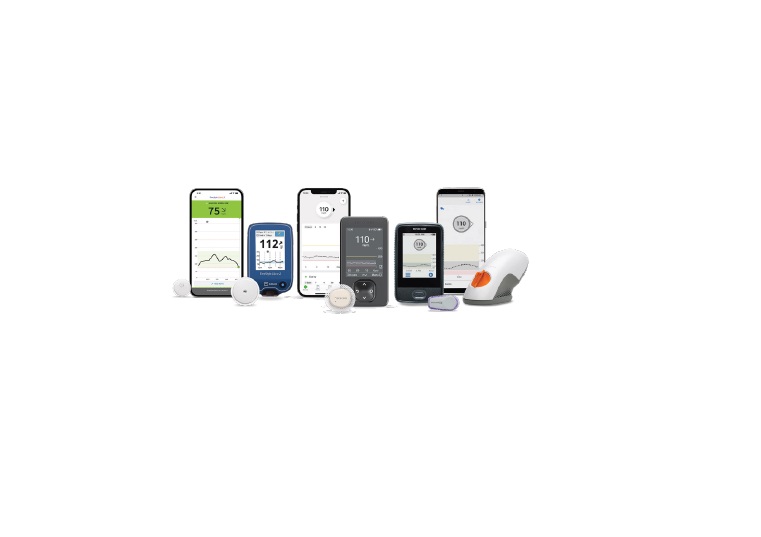
Using CGM Alerts to Prevent Highs and Lows
- CGM Alerts: One of the most underutilized tools.
- CGM alerts are one of the most underutilized tools we have.
- Properly set alerts can prevent problems before they arise.
- Set alerts at 150-160 for high.
- Set alerts at 80 for low.
These early alerts give you time to take action, allowing you to make changes without panic.
Early alerts can give you time to do things like
- get some exercise,
- have a drink of water,
- grab a snack,
- or to adjust your upcoming meals or medications
As you make adjustments, you will get fewer and fewer alerts. This is a great teaching tool, and should be used to its fullest advantage.
Using CGM Data to Improve Meals and Nutrition
Food is the main cause of daily glucose variations, and Continuous Glucose Monitors make this fact evident.
The same amount of food can affect blood sugar levels differently depending on other components of a meal.
For instance:
- Crackers – a sudden increase
- Crackers and eggs – a moderate increase
- Rice – a significant increase
- Rice and beans – a gradual increase
Using a CGM, one can determine which combinations, portion sizes, and sequences of eating are healthier for them.
Moreover, they can assess the impact of chewing thoroughly and spacing out meals. All this allows for developing an appropriate strategy that would help maintain the longest possible stability of blood sugar levels.
It is particularly valuable for people with type 2 diabetes and those who have impaired glucose tolerance.
Using Physical Activity to Smooth Glucose Spikes
Physical activity is one of the quickest ways to lower blood sugar levels. Regular physical activity, even something as simple as stretching, can help muscles absorb sugar from your bloodstream.
The best times to start exercising are:
- After eating
- When your blood sugar starts to rise
- And before going to sleep to balance it out
Taking a ten-minute walk after meals can help reduce blood sugar significantly. A brief exercise session, such as light stretching, running errands, or even a leisurely stroll, can also help reduce the peak if done at the appropriate time.
CGMs will educate you on what activities to perform and when to do them to reduce your blood sugar.
How to Review Weekly CGM Data for Better Control?
While the decisions you make every day will have an impact, it is the decisions you make every week that will determine your level of success.
By studying this information weekly, you will be able to see patterns:
- during which times of the week your levels peak,
- which meals are posing issues,
- what time of day is the worst,
- when your levels are at their lowest.
Therefore, by analyzing this data weekly, you can affect gradual yet permanent change rather than haphazardly making unsubstantiated decisions.
Common CGM Mistakes That Prevent Stability
Common mistakes are:
- Jumping after every change
Missing out on trends - Having too many notifications
- Chasing impossible values
- Not considering the lag factor
The solution is simple: look at the chart, use it as a guide and not a judge.
Advanced Strategies to Maximize CGM Results
Once you have mastered the basics:
- Compare meals over several days
- Keep track of how much you sleep
- how stressed you are
- how hydrated you are
- Test out the timing of meals
- Test out the timing of workouts or exercise
- Review it all with your doctor
At this stage, you can use a CGM to really fine-tune your day-to-day life and keep things running smoothly.
Frequently Asked Questions on CGM to Control Blood Sugar Spikes
Q-1: What is the best way to use a CGM to stabilize blood sugar?
A-1: Focus on trends and not on numbers – single point measurements can be misleading whereas trends will indicate what is going on and what changes need to occur. With that said, single point measurements are useful in setting alerts that prompt you to make adjustments.
For instance, if after a meal your glucose is spiking more than usual (60-90 min after meal), you can start looking into what may have caused the spike and make adjustments to avoid it in the future. With trending and adjustments you can start seeing improvements every week or so.
Q-2: Can CGMs help with prediabetes and insulin resistance?
A-2: Yes, they actually help tremendously since people with prediabetes and insulin resistance tend to experience greater glucose spikes than healthy people and many of these spikes go undetected during standard medical check-ups.
Additionally, working with a CGM can help you understand how your body reacts to certain foods and lifestyle habits and allow you to make adjustments to lower these spikes and be healthier.
Q-3: How often should I check my CGM?
A-3: It is a good idea to check it before each meal, 1 hour after each meal, and before going to sleep. With that said, it is a good idea to only review the trends once a week to understand how your body is responding and make adjustments. Checking it more often can get tedious and not very informative.
Q-5: What foods keep blood sugar stable according to CGM data?
A-5: The data shows that it is important to eat foods that are high in protein, fiber, and fat. It is also a good idea to eat healthy carbs but in combination with healthy proteins and fibrous vegetables. You can also look at eating foods with a low glycemic index and pairing carbs with fiber or protein to slow the absorption of glucose and keep your energy levels stable throughout the day.
Q-6: How long does it take to see improvements using a CGM?
A-6: Most people can see improvements after about a week or two of consistent use. After that, glucose spikes start to subside and it becomes much easier to maintain healthy levels of glucose.
Takeaway
Using a CGM to find a stable level of blood sugar in your day is a breeze as it takes away the mystery of blood sugar control and gives you confidence and control of your health.
With the insight a CGM provides, you can prevent blood sugar spikes and crashes before they occur
For instance, if your glucose starts spiking after breakfast, you can investigate why that is happening and change something in your breakfast routine to prevent it in the future.
You don’t need to go on a glucose-lowering diet or take a glucose-lowering medication; simply eat slower, add some protein to your breakfast, or go for a ten-minute walk after eating. Your glucose curve will stop being a rollercoaster.
A CGM will educate you on how different factors influence your blood sugar and help you discover new ways of being
Many glucose curves show us that a bad night of sleep can wreak havoc on our blood sugar just as much as a rich diet.
Having real-world information on how your body reacts to different circumstances can empower you to take control and make small adjustments in your lifestyle, for example, staying well-hydrated, getting a good night’s sleep, and unwinding when you feel stressed.
Most importantly, a CGM is a fantastic constant teacher and motivator.
It provides valuable feedback that you can use every single day to reflect on and adjust your habits. There’s nothing quite like seeing a CGM graph to give you that much-needed kick in the pants to start doing what’s right for your health and kick blood sugar chaos to the curb.
Recommended:

admin
All Posts