Living with diabetes involves more than managing blood glucose levels.
It can affect eating habits, physical activity, work, relationships, finances, emotional well-being, and overall health. The extent of these effects varies from person to person, depending on their treatment plan, general health, and individual circumstances.
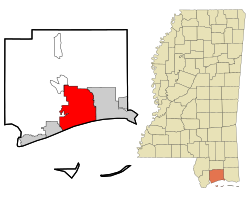
For residents of Gulfport and the surrounding Harrison County area, understanding how diabetes can affect everyday life can help them prepare for common challenges. With appropriate treatment, practical planning, and support, many people with diabetes can continue enjoying their usual activities while managing their health.
This guide explains how diabetes can affect everyday life, offers practical strategies for managing common challenges, and identifies healthcare and diabetes education resources in the Gulfport area.
Article Index
- How Diabetes Can Affect Everyday Life
- Managing Blood Glucose During Daily Activities
- Food Choices and Physical Activity
- Diabetes, Emotional Well-Being, and Relationships
- Managing Diabetes at Work
- The Cost of Diabetes Care
- Diabetes Education and Healthcare Resources in Gulfport
- Routine Checkups and Preventive Care
- Frequently Asked Questions
- Conclusion
- References
How Diabetes Can Affect Everyday Life
Diabetes is a condition that affects the way that the body processes glucose, or blood sugar. Based on the case of diabetes and the treatment plan, diabetes care can include medication, glucose monitoring, diet and exercise, and medical checkups.
Such considerations can turn into the person’s new reality. For example, a person who uses insulin may need to coordinate insulin doses with meals and physical activity and understand how to recognize and manage low blood glucose. The specific recommendations depend on the person’s treatment plan.
Another patient with a diabetes diagnosis may have a different treatment plan that includes a course of drugs and regular tests that are recommended by the medical staff.
Maintaining proper glucose levels enables people with diabetes to go on business trips, attend social events, dine at restaurants, work out at the gym, and do other things they used to do before the diagnosis.
What Local Diabetes Information can Tell Us
Diabetes is a significant public health issue in the US, and Mississippi is no exception. However, the state’s statistical data cannot be automatically applied to Gulfport.
The Mississippi State Department of Health and the CDC offer substantial information on preventing and managing the disease and the number of affected people. Still, when looking at the local statistics, it is essential to consider the area and the year of the report and understand that the numbers are based on a specific algorithm.
The statistic about the number of diagnosed diabetes cases only represents a specific scope and may vary depending on multiple factors. Moreover, local statistics are helpful in understanding the common trend but cannot be applied to individual cases or predict specific circumstances.
For further context, read our related article about why diabetes is increasing in Harrison County and Gulfport.
Common Daily Considerations
Depending on their treatment plan, a person with diabetes may need to:
- Take prescribed medication as directed.
- Check blood glucose as recommended by a healthcare professional.
- Plan meals and understand which foods contain carbohydrates.
- Recognize the symptoms of high or low blood glucose, when relevant to the treatment plan.
- Carry necessary medication and supplies when away from home.
- Attend recommended medical appointments and screening tests.
- Ask for help when managing diabetes becomes difficult.
The goal of diabetes management is to support health and safety while helping people maintain their independence and continue participating in the activities that matter to them.
Managing Blood Glucose During Daily Activities
Blood glucose management is an important part of diabetes care, but the appropriate approach differs between individuals.
Choosing an Appropriate Monitoring Method
Some people check their blood sugar by pricking their finger with a small needle and using a blood glucose meter to get a reading.
Others use a continuous glucose monitor (CGM). This device measures glucose in the fluid beneath the skin and displays glucose readings and trends, helping users see when their levels are rising or falling. The appropriate monitoring method depends on the person’s diabetes type, treatment plan, and individual needs.
The choice of whether to check blood sugar and which method to use, when to check, and how often to check depends on many factors, including whether you have type 1 or type 2 diabetes, what medicines you take, your treatment goals, and your risk of low blood sugar
An A1C test reflects average blood glucose levels over the past 3 months. It is not the same as a blood glucose reading taken at a certain point in time.
Ask your health care professional the following questions:
- How often should I check my blood glucose?
- What blood glucose range is right for me?
- What should I do if my blood glucose is often too high or too low?
- How should I treat low blood glucose?
- Is a CGM or another type of glucose monitoring right for me?
For more practical information, see our guide to using a continuous glucose monitor to support blood sugar management.
Planning for Work, Errands, and Social Activities
A little preparation can go a long way toward helping you cope with diabetes outside the home.
For example, based on your treatment plan, you may want to bring along the medications and supplies you need and know where to get food in case of emergencies. You may also want to be prepared in case you have low blood glucose and are at risk for it.
If you take insulin or other diabetes medications, you may need to take special precautions if you’re late for a meal or if you exercise. Ask your healthcare professional how to prepare yourself instead of using a generic plan that might not work for your treatment.
If your routine is disrupted by shift work, travel, exercise, or caring for others, talk to your care team about making adjustments in your treatment plan.
Do not change your medication dose or stop taking prescribed medication without first consulting your healthcare professional.
Food Choices and Physical Activity
Food and movement are important parts of diabetes management. There is no single eating pattern or exercise routine that works for everyone.
Developing a Flexible Eating Pattern
A healthy eating plan should focus on whole foods such as vegetables, fruits, whole grains, beans, legumes, nuts, and include appropriate amounts of protein. Individualizing the diet is important, considering cultural food preferences, budget, medical conditions, and treatment objectives.
People with diabetes do not necessarily need to give up their favorite foods. Instead, they can work with a healthcare professional to consider portion sizes, carbohydrate intake, food choices, and overall eating patterns.
In Gulfport, for example, residents may be able to adapt familiar dishes by adding vegetables, adjusting portions of carbohydrate-rich foods, or replacing sugar-sweetened beverages with water or other suitable alternatives.
These are general examples, not a one-size-fits-all diet. An appropriate eating plan should account for individual preferences, cultural background, budget, medical conditions, and treatment goals.
A registered dietitian or diabetes care and education specialist can help develop a suitable plan.
Finding a Sustainable Level of Physical Activity
Activities such as walking, cycling, swimming, and dancing can improve fitness and support blood glucose management in people with diabetes. In addition, physical activity has beneficial effects on psychological well-being.
The choice of an activity should depend on a person’s degree of mobility, general health, existing medical conditions, and therapy. For example, a person who has led a sedentary lifestyle for a long time may need to start engaging in regular physical activity, but only for a short while during the first weeks.
Individuals who take insulin or oral diabetic drugs should consult their doctor about how exercise influences glucose tolerance and how to prevent hypoglycemia. Moreover, those with foot ulcers, nerve problems, cardiovascular disease, or other conditions should also speak with their healthcare provider about what activities are safe for them.
Our guide to controlling blood sugar levels by walking provides additional information about incorporating walking into a routine.
The priority is consistency and safety—not following an intense exercise program that is difficult to maintain.
Diabetes, Emotional Well-Being, and Relationships
Managing diabetes is a demanding endeavor that frequently requires patients to make complex decisions regarding medication, diet, glucose monitoring, physical activity, and medical appointments. Inevitably, diabetes can cause distress and frustration.
Diabetes distress refers to the frustration, worry, or emotional burden that can accompany the ongoing demands of diabetes management. Some people also experience anxiety or depression. These concerns are not a personal weakness, and support is available.
Looking after Emotional Well-Being
Practical steps that may help include:
- Discussing diabetes-related stress with a healthcare professional.
- Asking about diabetes self-management education and support.
- Setting realistic goals rather than expecting perfect blood glucose readings every day.
- Seeking mental health support when sadness, anxiety, or exhaustion persists.
- Staying connected with supportive friends, family members, or community groups.
Diabetes distress and depression are not the same condition, although they can occur together. A healthcare professional can help determine what type of support may be appropriate.
Mississippi residents can also contact the state health department to ask about diabetes self-management education programs and available support.
Supporting Family and Social Life
Sometimes family members and/or friends may want to help but may not know how. Discussing treatment options, diet, concerns, and even emergency plans can help avoid misunderstandings.
For instance, persons living with diabetes may appreciate being reminded or assisted to bring along supplies when traveling or may prefer to handle certain situations on their own.
Eating together, celebrating holidays and/or vacations or simply getting together for a meal or game doesn’t have to be a problem if everyone takes the time to first learn about the person’s needs and make plans to accommodate them.
It’s important for family members to remember that they too play a key role in managing the condition and not to assume decision making responsibility for the person with the chronic illness.
Managing Diabetes at Work
Work can create practical challenges for people managing diabetes. Shift work, irregular meal breaks, long periods of physical activity, travel, or limited access to a suitable place for medication and monitoring may require additional planning.
The specific challenges depend on the job and the person’s treatment.
Practical Steps for Working with Diabetes
Depending on the person’s needs and preferences, an effective care plan may involve:
- Coordinating medication and diet schedules with the healthcare professional.
- Having the required medications and supplies on hand.
- Receiving instructions on how to treat episodes of low blood sugar.
- Requesting breaks or other accommodations if appropriate.
- Scheduling medical appointments around the work schedule when possible.
When diabetes interferes with normal work routines, employees should contact their supervisor or a human resources representative to discuss possible accommodations; the specific options and the legality of requested adjustments depend on individual circumstances and jurisdiction.
Individuals should not have to guess about health matters; people with a diabetes diagnosis should consult their healthcare professional on coordinating treatment with their work schedule.
The Cost of Diabetes Care
The cost of managing diabetes can be high and may put a strain on an individual and/or family’s budget. The following are some of many expenditures that come with this disease: medications, glucose-monitoring supplies, medical visits, labs, transportation, and diet.
Glucose monitoring expenses can vary drastically depending on the management plan prescribed by your physician, your particular insurance coverage, the type of glucose-monitoring devices you use, and if you are eligible for any form of financial assistance.
It would be misleading to provide a specific average monthly expenditure for diabetics in Gulfport. An individual that is taking oral medication could have a much different financial burden than someone that requires additional medications to manage their condition or additional procedures to be performed.
What to do if Diabetes Care becomes Difficult to Afford?
If expenses become difficult to manage, ask your healthcare team, pharmacist, insurer, or local community health center about the following:
- Whether an appropriate lesser-cost medication is available
- Whether insurance covers diabetes education or nutrition services
- Whether assistance programs are available for prescribed medication or monitoring supplies
- Whether a community health center offers reduced fees for eligible patients
- Whether appointments or prescription refills can be coordinated to reduce transportation or other costs
Do not stop taking medication, reduce the dose, or ration supplies to save money without consulting a healthcare professional. Advise your care team directly of the financial hardship and ask them to help you find appropriate options.
Residents can also contact the Mississippi State Department of Health to ask about diabetes self-management education and support programs. Eligibility and referral requirements should be confirmed directly with the program.
Diabetes Education and Healthcare Resources in Gulfport
Finding trustworthy healthcare information can ease the process of coping with diabetes. Gulfport residents can contact established healthcare facilities and public health agencies to get answers to their questions about clinical care, diabetes education, and other available services.
The organizations can be contacted to learn more about the services available, who is eligible, costs, and whether a referral is needed. These details can vary so contacting the facilities directly is advised.
Mississippi State Department of Health
The Mississippi State Department of Health provides information about diabetes prevention, self-management education, and support programs. These resources can help people learn about healthy eating, physical activity, blood glucose monitoring, medication use, and managing everyday challenges associated with diabetes.
Residents can contact the department to ask about available diabetes education programs and support resources.
Residents can contact the department and ask the following questions:
- Which diabetes self-management programs are available?
- Are any programs available in my area (Harrison County)?
- Is a physician’s referral required?
- Are there requirements or restrictions based on insurance?
- Are there costs associated with the program?
The information provided by the department can be used as a reference; however, it does not confirm that a specific class or service is available in Gulfport.
Coastal Family Health Center — Gulfport Clinic
Coastal Family Health Center operates a clinic at 15024 Martin Luther King Jr. Boulevard, Gulfport, Mississippi 39501.
The clinic’s website states that its services cover primary and preventive care, chronic disease management, lab work, and behavioral health. It also declares that it accepts Medicaid, Medicare, most private insurances, and has a sliding scale for those with low incomes.
Those seeking help with diabetes can call the clinic to inquire whether their needs can be covered by its services. They may also want to ask whether there are available appointments, if the clinic accepts their insurance, if they qualify for reduced rates, and if the needed service is available.
Clinic phone: 228-864-0003.
Do not assume that every diabetes education service, test, medication, or financial assistance program is available at every location.
How to Choose an Appropriate Local Resource
Before making an appointment to receive care, it may be helpful to ask:
- Does the organization offer the service I am seeking?
- Is a referral needed?
- Do you accept my insurance coverage?
- Are discounts or financial aid available for eligible patients?
- Are there any follow-up visits or diabetes education programs?
Asking these questions can help residents compare available services, understand potential costs, and choose appropriate care based on reliable information.
Routine Checkups and Preventive Care
Regular appointments are an important part of diabetes management. The recommended frequency depends on the person’s health, treatment plan, and individual needs.
During visits, doctors examine various indicators, including glucose levels, blood pressure, cholesterol, medications, diet, exercise, and emotional state.
Depending on the person’s needs, routine diabetes care may include kidney-function tests, eye examinations, and foot assessments. These appointments help healthcare professionals review treatment, monitor potential complications, and identify concerns that may need further attention.
The recommended tests and frequency of appointments depend on the person’s diabetes type, treatment, health status, and individual needs. Patients should tell their healthcare team about medication concerns, financial difficulties, problems with glucose monitoring, and challenges coordinating treatment with work or other responsibilities.
Keeping up with recommended appointments can help people address concerns early and work with their healthcare team to adjust their diabetes management plan when needed.
Frequently Asked Questions:
How does diabetes affect everyday life in Gulfport, Mississippi?
Diabetes can impact meal planning, medication adherence, blood sugar monitoring, exercise, work, relationships, emotional well-being, and healthcare costs, among other things. It depends on the individual’s treatment plan and circumstances, as well as their general health.
Can people with diabetes travel, work, and socialize?
Individuals with diabetes can work and travel and are encouraged to participate in social and physical activities that interest them. Some people may need to make special arrangements for meal planning, medication, blood sugar monitoring, or the risk of low blood sugar. It depends on the individual’s treatment plan and circumstances.
Where can Gulfport, Mississippi, residents find diabetes education and healthcare resources?
The Mississippi State Department of Health provides information about diabetes self-management education and support programs. Residents can also contact Coastal Family Health Center’s Gulfport Clinic to ask about primary care and chronic disease management services. Contact each organization directly to confirm availability, eligibility, costs, and referral requirements.
What can people do if diabetes medication or supplies are too expensive?
Do not stop taking medication, change your dose, or ration supplies without consulting a healthcare professional. Ask your doctor, pharmacist, or insurer whether lower-cost treatment options or assistance programs are available. You can also contact a community health center to ask about reduced fees for eligible patients.
If a person is living with diabetes, can it be cured by making lifestyle changes?
Lifestyle changes can help prevent type 2 diabetes and improve blood glucose management. Some people with type 2 diabetes may achieve remission, but this does not mean the condition has been permanently cured. Type 1 diabetes requires insulin treatment. Anyone considering changes to their medication or treatment plan should consult a qualified healthcare professional.
Does stress cause diabetes?
Stress does not have a simple, direct relationship with diabetes. Chronic stress may affect blood glucose levels and make diabetes management more difficult. Type 2 diabetes develops through a combination of genetic, biological, and lifestyle factors. People experiencing persistent stress can speak with a healthcare professional about appropriate ways to manage it.
Conclusion
Diabetes can affect many aspects of daily life, including medication routines, eating habits, physical activity, work, relationships, finances, and emotional well-being.
The effects of diabetes vary according to factors such as diabetes type, treatment, age, general health, and personal circumstances. There is no single management plan that is right for everyone.
Gulfport and Harrison County’s residents can turn to several local resources for diabetes-related assistance. The Mississippi State Department of Health provides information about diabetes prevention, self-management education, and support programs.
Coastal Family Health Center’s Gulfport Clinic provides primary and preventive care, chronic disease management, and other services listed on its official website. Residents should contact the clinic directly to confirm which services are available and whether they meet the eligibility requirements.
A good starting point is to work with a qualified healthcare professional to develop an individualized diabetes management plan. People who experience difficulties with medication costs, meal planning, glucose monitoring, or other aspects of care should discuss these challenges with their healthcare team.
With appropriate treatment, support, and planning, many people with diabetes can maintain their independence and continue participating in activities that matter to them.
References
- Centers for Disease Control and Prevention (CDC). Living with Diabetes.
- National Institute of Diabetes and Digestive and Kidney Diseases (NIDDK). Managing Diabetes.
- Mississippi State Department of Health. Diabetes Self-Management and Prevention Programs.
- Mississippi State Department of Health. Freedom: Diabetes Self-Management Education and Support.
Medical Disclaimer
This article is for educational purposes only and does not replace professional medical advice, diagnosis, or treatment. Diabetes care must be individualized. Consult a qualified healthcare professional before changing medication, diet, physical activity, or blood glucose monitoring routines. Read our Medical Disclaimer and Health Information Policy for more information.
Why Trust BestDietarySupplementForDiabetics.com?
We aim to provide clear, evidence-informed health information, distinguish verified facts from general guidance, and avoid unsupported medical claims. Local services, eligibility requirements, and program availability can change, so readers should confirm details directly with the relevant organization. Learn more about our editorial approach on our Why Trust BestDietarySupplementForDiabetics.com?

admin
All Posts