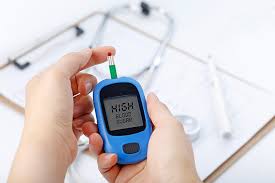
It is high time you took a look at your ultimate guide to dealing with diabetes.
Diabetes is a word that can strike fear into the hearts of many.
Whether you or a loved one has just been diagnosed or you just wish to gain an insight on it, it is important you know what it is and how to mange it.
In our ultimate guide to diabetes you will see an in depth analysis that will break down everything you need to know.
From its different types, to risks factors and how to manage it, let bestdietarysupplementfordiabetics.com take some of the mystery out of this devastating disease.
Article Contents:
Introduction
- Understanding Diabetes: Breaking Down the Complexity
What Is Diabetes?
- Definition and Overview
- The Role of Insulin in Blood Sugar Regulation
- Types of Diabetes
- Type 1 Diabetes
- Type 2 Diabetes
- Gestational Diabetes
The Growing Prevalence of Diabetes
- Global Statistics and Trends
- Contributing Factors
Symptoms and Risk Factors
- Common Symptoms of Diabetes
- Key Risk Factors
- Genetics
- Obesity
- Age
- Sedentary Lifestyle
- Poor Diet
Understanding Insulin Resistance
- What is Insulin Resistance?
- The Role of Insulin Resistance in Type 2 Diabetes
- Importance of Early Detection
Diagnosing Diabetes
- Common Diagnostic Tests
- Fasting Blood Sugar Test
- A1C Test
- Oral Glucose Tolerance Test (OGTT)
- Common Diagnostic Tests
Managing Diabetes: A Holistic Approach
- Medication
- Insulin Therapy for Type 1 Diabetes
- Common Medications for Type 2 Diabetes
- Diet
- Carbohydrate Counting
- Choosing Whole Foods
- The Mediterranean Diet
- Exercise
- Benefits of Regular Physical Activity
- Recommended Exercise Guidelines
- Monitoring Blood Sugar Levels
- Tools for Monitoring
- Stress Management
- Impact of Stress on Blood Sugar
- Techniques for Stress Reduction
- Medication
Preventing Diabetes Complications
- Cardiovascular Disease
- Nerve Damage (Neuropathy)
- Kidney Damage (Nephropathy)
- Eye Damage (Retinopathy)
The Role of Education in Diabetes Management
- Importance of Diabetes Education
- Benefits of Diabetes Education Programs
- FAQs on Diabetes Management
Conclusion: Taking Control of Your Diabetes
- Recap of Key Points
- Empowering Yourself Through Knowledge
- Working with Your Healthcare Team
References
- Sources for Further Reading
What Is Diabetes?
Diabetes is a chronic disease that is characterized by the impaired production of energy from food due to reduced cellular response to insulin or the inability to produce enough of it in the first place.
The majority of food we ingest is turned into sugar, or glucose, which enters the bloodstream and triggers the pancreas to exude insulin that allows the body to utilize it for energy.
However, this process is inhibited in people with diabetes, which negatively affects their health status.
There are three types of diabetes, namely:
Type 1 Diabetes: a result of the malfunction of the immune system that causes it to attack the cells responsible for producing insulin and decreasing its levels in the blood. In this case, people have to inject themselves with insulin on a daily basis.
Type 2 Diabetes: the most widespread form of the disease, which is caused by the body’s inability to use insulin effectively or failure to produce enough of it. This disruption can be triggered by unhealthy nutrition, lack of exercise, and obesity.
Gestational Diabetes: temporary altered metabolism that occurs during pregnancy and typically disappears after childbirth. However, women who experience gestational diabetes are at higher risk of developing type 2 diabetes later in life.
The Growing Prevalence of Diabetes
Diabetes is becoming more and more of a problem worldwide.
According to the International Diabetes Federation (IDF), 1 in every 10 adults worldwide are suffering from diabetes; this means that 537 million people are living with diabetes and 643 million are projected to be living with it by 2030 (IDF, 2021).
Furthermore, according to the World Health Organization or WHO, the number of deaths from diabetes increased by almost 5% between 2019 and 2020, making it the 9 th leading cause of death in 2019 with 1.5 million deaths directly caused by the disease (WHO, 2021).
There are a number of reasons why it is happening, including the growing aging population, urbanization, physical inactivity, and unhealthy diets.
Symptoms and Risk Factors
Recognizing the signs and symptoms of diabetes is essential to ensure timely management of the disease.
Common symptoms of this disease are:
Increased thirst
frequent urination
Increased hunger
Unexpected weight loss
Fatigue
Irritability
Impaired vision
Slow healing of wounds or recurring infections
The common risk factors for this disease are:
Genetic: Having a family history of diabetes increases the chances of having it.
Obesity: Extra weight, especially around the waist, increases one’s risk for type 2 diabetes.
Age: The older one gets, the higher their chances of developing type 2 diabetes.
Sedentary lifestyle: Having a sedentary lifestyle leads to obesity, which then raises one’s risk for diabetes.
Consumption of unhealthy diet: Having a ‘bad’ diet increases one’s chances for many ailments, diabetes being among them.
Understanding Insulin Resistance
Insulin resistance is a health condition that plays a significant role in type 2 diabetes. It prevents cells from responding effectively to insulin’s signals, thus making it harder for them to absorb glucose from the bloodstream.
As a result, the pancreas has to produce more insulin to make up for the increased resistance, and if it cannot keep up, blood sugar levels rise.
According to the study published in the journal Diabetes Care , this issue tends to develop years before the actual diagnosis of type 2 diabetes.
The article determines the importance of addressing insulin resistance early on to manage the development of the disease.
Diagnosing Diabetes
Diabetes can be diagnosed using a blood test, which determines blood sugar or glucose levels. Some common blood tests used to diagnose diabetes are given below:
- Fasting blood sugar test: Measures the amount of glucose present in the blood after fasting for at least 8 hours. Having 126 mg/dL or higher glucose levels in two separate fasting tests indicates diabetes.
- A 1C test: Measures average blood sugar levels over the past two to three months. An A1C result of 6.5% or higher in two separate tests indicates diabetes.
- Oral glucose tolerance test: Determines how much glucose your blood can hold after fasting for 8 hours and then drinking a sweetened liquid. With 200 mg/dL or higher blood sugar levels after the sweetened drink in the OGTT, a person has diabetes.
Managing Diabetes: A Holistic Approach
The management of the disease is through control drugs, leading a healthy lifestyle, and glucometer monitoring.
Let us discuss them in detail.
Medication:
Type 1 diabetics require insulin to stay alive. Patients with type 2 diabetes may need to take medication to lower their blood sugar levels. Oral drugs for diabetes are:
Metformin:
It is the most common type 2 diabetes medication. Metformin improves the body’s response to insulin.
Sulfonylureas:
They are also available as tablets. Sulfonylureas cause the pancreas to produce more insulin.
SGLT2 Inhibitors:
They work by preventing the kidney from absorbing too much sugar back into the bloodstream
GLP-1 Receptor Agonists:
This class increases insulin production and decreases appetite.
It is vital to consult with a healthcare professional about the most suitable drugs and the right dose.
Diet:
A healthy diabetic diet is a diet that controls the amount of carbohydrate; people with diabetes should eat regular meals and snacks throughout the day.
A balanced diet consists of fiber and whole grains. A person with diabetes should limit the amount of processed foods they consume.
The Mediterranean diet is excellent for people with type 2 diabetes. It includes a variety of fruits and vegetables, whole grains, legumes, milk products, and healthy fats.
According to a study published in the journal Diabetes Care, people who followed a Mediterranean-style diet had better blood sugar control than those who did not.
Exercise:
A sedentary lifestyle increases the risk of developing type 2 diabetes. Physical activity reduces blood sugar levels, as muscles utilize it during a workout.
Exercise also makes muscles more sensitive to insulin. People with diabetes need at least 150 minutes of moderate-intensity physical activity weekly.
For instance, a study published in the American Journal of Medicine found that exercising regularly improved blood sugar levels in overweight and obese patients with type 2 diabetes. The moderate-intensity exercises also reduced the need for diabetes medications.
Monitor Blood Sugar Levels:
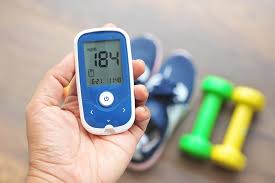
Checking blood sugar levels is a fast and efficient way to determine if a diabetic person is heading towards hyperglycemia or hypoglycemia. One can measure blood sugar levels using a glucometer or a continuous glucose monitoring device.
Moreover, tracking blood sugar levels helps one understand how food items, exercise, and medication affect blood sugar levels. The information aids in making better dietary and lifestyle choices.
Stress Management:
Diabetics should learn to manage stress. When a person is stressed, the adrenal glands produce cortisol, a hormone that elevates blood glucose levels.
There are several ways to reduce stress, such as yoga, meditation, breathing exercises, and biofeedback.
According to a study published in the journal Diabetes Spectrum , mindfulness reduces stress, enhances emotional health, and aids in improving glycemic control among people with type 2 diabetes.

Preventing Diabetes Complications
A number of complications can develop if the diabetes is not properly managed. The main four types of diabetes complications are listed below:
Cardiovascular disease is very common among the diabetes patients since they are more likely to develop heart and blood vessel disease than those who do not have diabetes.
Neuropathy develops when the high blood sugar damages the nerves and causes tingling or loss of sensation, usually in the hands and feet.
Nephropathy is another dangerous complication of diabetes; it is damage to the kidney that causes kidney diseases or failure.
Retinopathy is diabetes-related eye disease that involves the blood vessels in the eyes; it can lead to blindness.
The key to preventing any of these complications is to keep blood sugar levels as close to normal as possible. It is also important to manage blood pressure and cholesterol and stop smoking.
The Role of Education in Diabetes Management
Education Is Key To Treating Diabetes Essay (Critical Writing)
Education is essential in managing a person’s diabetes.
It is crucial that they understand the disorder, how to measure their blood sugar, and how their lifestyle choices affect their health.
There are numerous resources for people with diabetes, including diabetes education programs provided by many medical institutions.
According to one study published in the Journal of Diabetes Research , receiving proper education drastically improves the patient’s ability to take care of themselves and have better control of their blood sugar.
FAQs on Diabetes Management:
Q-1. Could your blood sugar be telling you more about yesterday than what you ate this morning?
Answer: Yes. Blood glucose can reflect the previous day’s eating, physical activity, sleep, stress, and medications. Insulin sensitivity can be affected by activity the day before and during the current day.
Q-2. Is “perfect” blood sugar actually the wrong goal for many people with diabetes?
Answer: Often, yes. Blood glucose control for people with diabetes typically means individualized, safe target ranges rather than one specific “normal” value. Still, for many nonpregnant adults with type 1 or type 2 diabetes, the American Diabetes Association commonly recommends an A1C goal of <7%.
Q-3. Can two people eating exactly the same meal have very different blood-sugar responses?
Answer: Yes. Differences in individual physiology, medications, physical activity, sleep, and other factors can influence blood glucose control, even for identical meals.
Q-4. Could the order in which you eat your food make a difference in how your blood sugar responds to a meal?
Answer: It might. Studies have suggested that when you eat certain foods first might influence your blood sugar during the meal. One example is eating fibrous, low-carbohydrate foods such as broccoli before higher-carbohydrate foods, or eating protein before carbohydrate-rich foods. The timing and types of foods you eat are only part of the equation, however; overall, how much carbohydrate you eat matters most.
Q-5. Why can losing a relatively small amount of body weight sometimes have a surprisingly large effect on diabetes control?
Answer: Losing body weight can improve blood glucose control and reduce the negative effects of type 2 diabetes on other organs.
For many people who have overweight or obesity and type 2 diabetes, losing about 5-10% of body weight can improve blood glucose control and lower risks for many of the complications of type 2 diabetes.
Q-6. Could your muscles be likened to a “second glucose-control system” in your body-even when you aren’t exercising?
Answer: Your flexing muscles are one of your body’s most important “sinks” for glucose. Physical activity, especially regular aerobic exercise plus muscle-resistance exercises, improves glucose uptake and use by muscles.
Q-7. What if controlling diabetes has less to do with finding a magic bullet and more to do with making hundreds of small choices?
Answer: This is much closer to the real truth. The key to successful type 2 diabetes management is that there is no single magic bullet, but that controlling diabetes successfully involves making many small changes in your daily life and then sticking with those changes, along with appropriate medical care.
Conclusion: Taking Control of Your Diabetes
Diabetes may be a lifelong condition, but with the right knowledge and tools, it is entirely manageable.
By understanding what diabetes is, recognizing the risk factors, and implementing a holistic management plan that includes medication, diet, exercise, and stress management, you can take control of your health and lead a full, active life.
Remember, you are not alone on this journey. Work closely with your healthcare team, stay informed, and do not be afraid to ask questions.
The more you know, the better equipped you will be to manage your diabetes and prevent complications.
Let us demystify diabetes together and take the first steps toward a healthier future.
I personally preferer including Best Supplements to Lower Blood Sugar to my daily routine.
References:

admin
All Posts