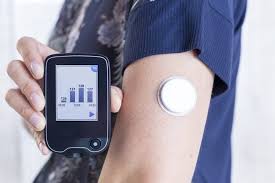
A Continuous Glucose Monitor (CGM) has completely changed how people manage daily blood sugar levels.
Whether you are living with diabetes, prediabetes, insulin resistance, or are simply focused on improving metabolic health, a CGM gives you something no other tool can: real-time awareness.
Instead of guessing how your body reacts to meals, stress, exercise, sleep, and medication, you can see the results unfold minute by minute.
Most people struggle with unstable blood sugar because traditional finger-prick tests only show isolated snapshots.
A CGM shows the full story — the rise after breakfast, the dip after a walk, the overnight patterns, and even the hidden spikes caused by stress or poor sleep.
This complete picture makes it possible to stabilize glucose levels through daily habits instead of constant correction.
This article by bestdietarysupplementfordiabetics.com explains exactly how to use a CGM to stabilize daily blood sugar levels. It is written for real people living real lives, not for perfection.
You would learn how to read your data, adjust meals, use movement strategically, prevent highs and lows, and build long-term stability using simple, repeatable steps.
Points Covered in this Article
- What a CGM Really Measures (and Why It Matters)
- Why CGMs Are So Effective for Blood Sugar Stability
- How to Set the Right Blood Sugar Target Range
- How to Read CGM Graphs and Trend Arrows Correctly
- Using CGM Alerts to Prevent Highs and Lows
- Using CGM Data to Improve Meals and Nutrition
- Using Physical Activity to Smooth Glucose Spikes
- How to Review Weekly CGM Data for Better Control
- Common CGM Mistakes That Prevent Stability
- FAQs on CGM to Control Blood Sugar Spikes
- Advanced Strategies to Maximize CGM Results
What a CGM Really Measures (and Why It Matters)?
A CGM measures glucose in the interstitial fluid just under your skin, updating your readings every 1–5 minutes.
This continuous stream of information is what makes a CGM so valuable for daily blood sugar stabilization.
Instead of checking glucose a few times per day, you’re effectively monitoring it hundreds of times, giving you a complete picture of how your body handles glucose in real life.
This matters because glucose rarely misbehaves all at once — it misbehaves in patterns.
For example, a finger-stick test two hours after eating might look normal, but a CGM could show a sharp spike at 40 minutes followed by a steep drop.
That pattern can lead to fatigue, cravings, and irritability even though your “official” reading looked fine.
CGMs also reveal hidden triggers like:
- Stress spikes during meetings
- Morning glucose rises
- Late-night snack effects
- Sleep-related instability
- Delayed reactions to certain foods
Once you see these patterns, you can fix the cause instead of chasing the symptom.
That is why understanding what a CGM measures is the foundation of stable blood sugar control.
Why CGMs Are So Effective for Blood Sugar Stability?
CGMs work because they dramatically shorten the feedback loop between your actions and your results.
Instead of waiting weeks to see lab results, you see changes within minutes or hours.
For example:
- You reduce your portion size at lunch → the curve flattens
- You take a 10-minute walk after dinner → the spike disappears
- You skip sleep → fasting glucose rises
- You eat protein first → the curve becomes smoother
This instant feedback turns everyday life into a learning experience.
You quickly learn which habits work for your body and which don’t. That learning process is what creates long-term stability.
Another major benefit is increased time in range. When you can see glucose rising early, you can intervene early.
Small corrections prevent big spikes and crashes, which leads to more stable days and better long-term metabolic health.
How to Set the Right Blood Sugar Target Range?
One of the most important mindset shifts when using a CGM is realizing that stability matters more than perfection.
The goal is not to have perfect numbers — it’s to reduce extremes and smooth fluctuations.
Most people aim for a glucose range of 70–180 mg/dL. But the real goal is increasing time spent in this range.
If your glucose used to swing wildly between 60 and 250 and now stays between 90 and 170 most of the day, that’s significant progress.
Focus on:
- Fewer spikes above 180
- Fewer drops below 70
- Smoother curves after meals
- Better overnight stability
This approach makes blood sugar control sustainable. When goals are realistic, progress feels achievable — and consistency becomes easier to maintain.
How to Read CGM Graphs and Trend Arrows Correctly?
Your CGM graph is a story of your day. Each rise, fall, and flat section reflects something you did — or something your body experienced.
Trend arrows tell you what is about to happen, which is often more important than the current number.
- Flat arrow = stable
- Slow rise = watch closely
- Fast rise = act now
- Slow drop = monitor
- Fast drop = prepare to correct
Example: You’re at 140 mg/dL after lunch with a fast upward arrow. That’s your cue to take action — maybe a short walk or some light movement. Acting early can prevent a spike that would otherwise take hours to come down.
Over time, you’ll begin predicting trends before they happen, which is when CGM use becomes truly powerful.
Using CGM Alerts to Prevent Highs and Lows
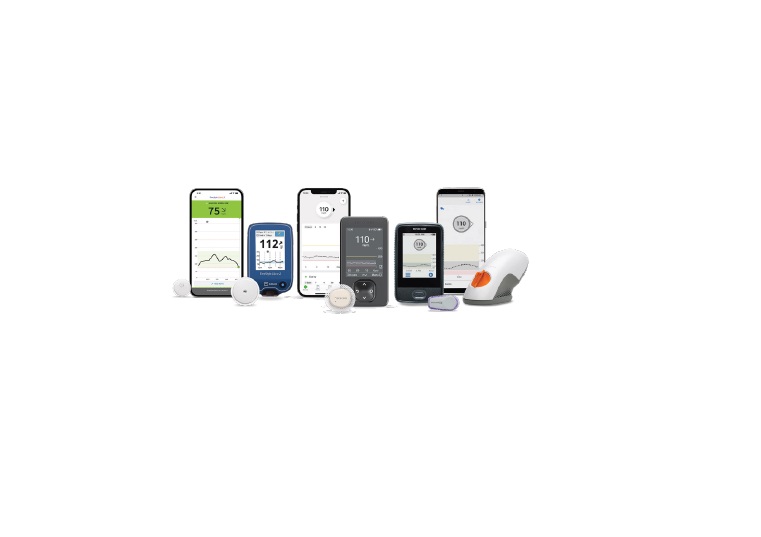
CGM alerts are one of the most powerful — and most misunderstood — features. When used correctly, they prevent problems instead of just reporting them.
Set alerts early:
- High alert: 150–160 mg/dL
- Low alert: 80 mg/dL
This gives you time to respond calmly instead of reacting in panic. Early alerts allow you to:
- Move your body
- Hydrate
- Eat a small snack
- Adjust your next meal
- Use medication if prescribed
Over time, fewer alerts mean your daily blood sugar is becoming more stable. Alerts are teachers, not enemies.
Using CGM Data to Improve Meals and Nutrition
Food is the biggest driver of daily glucose swings, and CGMs make this obvious fast.
Two meals with the same calories can have completely different effects on your blood sugar.
Examples:
- White bread alone → sharp spike
- White bread + eggs → slower rise
- Rice alone → high peak
- Rice + beans → flatter curve
CGMs help you experiment with:
- Portion size
- Food combinations
- Meal order
- Eating speed
- Timing of carbohydrates
Over time, you create a personalized eating strategy that supports stable blood sugar without extreme restriction.
This is especially powerful for people managing type 2 diabetes or prediabetes.
Using Physical Activity to Smooth Glucose Spikes
Movement is one of the fastest ways to lower blood sugar naturally. Even light movement helps muscles absorb glucose from the bloodstream.
Best times to move:
- After meals
- During rising glucose
- Before bed for overnight stability
A 10-minute walk after meals can reduce spikes dramatically. Light stretching, chores, or slow walking can also flatten curves when done at the right time.
CGMs teach you when movement helps most — making exercise efficient and purposeful rather than random.
How to Review Weekly CGM Data for Better Control?
Daily decisions matter, but weekly reviews create long-term success. Once a week, review your data and look for patterns:
- When do spikes happen?
- Which meals cause problems?
- What time of day is hardest?
- When do lows occur?
This review helps you make targeted changes instead of random ones. Small weekly adjustments create lasting stability.
Common CGM Mistakes That Prevent Stability
Common mistakes include:
- Overreacting to every reading
- Ignoring trend arrows
- Setting too many alerts
- Chasing perfect numbers
- Forgetting CGM lag time
The fix is simple: focus on patterns, not individual numbers. Use the CGM as a guide, not a judge.
Advanced Strategies to Maximize CGM Results
Once you master the basics:
- Compare meals over several days
- Track sleep, stress, hydration
- Test meal timing
- Adjust exercise timing
- Review data with your healthcare provider
At this level, CGM use becomes precision management — helping you plan meals, activity, and routines with confidence.
Frequently Asked Questions on CGM to Control Blood Sugar Spikes
Q-1: What is the best way to use a CGM to stabilize blood sugar?
A-1: The best way to use a CGM is to focus on trends rather than reacting to individual readings. Single glucose numbers can be misleading, but patterns reveal what is really happening in your body. By watching how your blood sugar responds to meals, movement, sleep, and stress, you can make small, targeted adjustments that prevent big spikes and crashes.
For example, if your CGM shows a consistent rise 45–60 minutes after breakfast, you might reduce portion size, add protein, or take a short walk. Setting early alerts around 150–160 mg/dL helps you intervene before glucose gets too high. Weekly data reviews help you identify repeat triggers and fine-tune habits, turning blood sugar control into a sustainable routine.
Q-2: Can CGMs help with prediabetes and insulin resistance?
A-2: Yes, CGMs are especially effective for people with prediabetes and insulin resistance because they uncover early glucose spikes that lab tests often miss. Many users are surprised to see how certain foods cause sharp rises even when fasting numbers look normal.
With this real-time feedback, you can adjust food combinations, meal timing, and physical activity to improve insulin sensitivity. Over time, these small daily changes help reduce glucose variability and support better metabolic health, often preventing progression to type 2 diabetes.
Q-3: How often should I check my CGM data?
A-3: You don’t need to check your CGM constantly. A quick look before meals, about an hour after eating, and before bedtime is usually enough. The most valuable habit is a weekly review, where you look for recurring patterns rather than isolated events. This keeps CGM use simple and prevents information overload while still delivering meaningful insights.
Q-5: What foods keep blood sugar stable according to CGM data?
A-5: CGM data shows that meals rich in protein, fiber, and healthy fats produce smoother glucose curves. Foods like eggs, vegetables, beans, nuts, seeds, and whole grains slow digestion and reduce rapid spikes. Eating fiber or protein before carbohydrates can also blunt glucose rises and keep levels stable for longer.
Q-6: How long does it take to see improvements using a CGM?
A-6: Most people notice improvements within one to two weeks of consistent CGM use. As you learn how your body responds to food, movement, and sleep, glucose swings become smaller, energy levels improve, and daily blood sugar stability becomes easier to maintain.
Takeaway
Using a CGM to stabilize daily blood sugar levels takes the guesswork out of managing your health and replaces it with clarity and confidence.
Instead of reacting after your blood sugar has already spiked or dropped, you learn to prevent problems before they happen.
For example, if your CGM shows that your glucose starts rising sharply about 30–45 minutes after breakfast, you can adjust your meal by adding protein, reducing refined carbs, or taking a 10-minute walk.
Small changes like these can flatten your glucose curve without requiring strict dieting or extra medication.
A CGM also helps you understand how everyday factors like sleep, stress, and physical activity affect your blood sugar. Many people are surprised to see how a poor night’s sleep or a stressful meeting can raise glucose levels just as much as food.
Seeing these patterns in real time allows you to respond with simple actions such as hydration, movement, or relaxation techniques.
Most importantly, a CGM is more than just a device — it is a daily teacher. Each line on the graph tells a story about how your body responds to choices you make.
When you consistently observe, adjust, and repeat what works, blood sugar stability becomes a habit rather than a constant struggle.
Over time, this awareness leads to smoother days, better energy, fewer cravings, and stronger long-term metabolic health.
References:

admin
All Posts