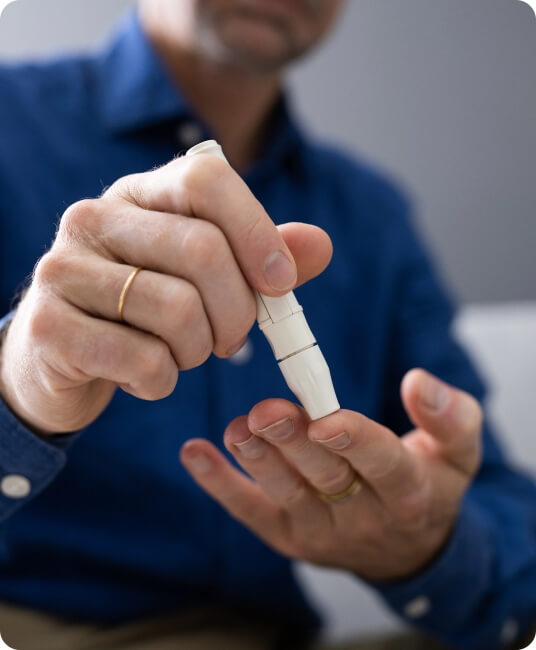
Living with diabetes involves more than managing blood sugar.
People with diabetes should know about their condition, take their medicine, follow a healthy eating pattern, stay physically active, check their glucose levels when needed, go to regular medical check ups, and manage other cardiovascular and metabolic risk factors, such as high blood pressure, abnormal cholesterol levels and excess weight, while avoiding tobacco use.
For people living in Jefferson County, including Birmingham and surrounding communities, local public-health and healthcare resources can provide diabetes screening, education, nutrition guidance and ongoing care.
Jefferson County Department of Health is an excellent place to find information on diabetes and prediabetes, as well as screenings and medical care. Birmingham and the surrounding Jefferson County communities have healthcare facilities that provide diabetes education and nutrition services, including UAB Medicine.
This guide explains practical ways to manage diabetes and highlights local opportunities for screening, education, nutrition support, glucose monitoring and other diabetes-related services.
Article Index
- Understanding Diabetes Management in Jefferson County
- Know Whether You Have Diabetes or Prediabetes
- Where to Get Diabetes Screening in Jefferson County
- Build a Diabetes-Friendly Diet
- Choose Better Southern Food Without Giving Up Local Favorites
- Stay Physically Active in Birmingham and Jefferson County
- Manage Weight and Blood Sugar
- Take Diabetes Medications as Prescribed
- Monitor Your Blood Sugar When Appropriate
- Get Regular Diabetes Checkups
- Learn About Diabetes Through Education and Support
- Manage Stress, Sleep and Mental Well-Being
- Reduce the Risk of Diabetes Complications
- Diabetes Resources in Jefferson County and Birmingham
- Frequently Asked Questions
- Bottom Line
Understanding Diabetes Management in Jefferson County
Diabetes is a chronic disease in which blood glucose levels are too high because of the body’s inability to process or produce insulin.
Controlling diabetes is not a matter of hitting a particular number on the glucose meter. Effective long-term management of diabetes includes maintaining blood glucose within an individual’s targeted range and controlling other risk factors for cardiovascular disease.
The U.S. Diabetes Surveillance System provides county-level information on diagnosed diabetes and related health indicators, including obesity and physical activity. Its county surveillance data have been updated through 2024.
For this reason, current county-level surveillance data are more useful when discussing the diabetes situation in Jefferson County than older or generalized statistics.
However, for a single person, these population statistics are not significant in determining whether he/she has diabetes or not. Screening and diagnosis may involve an A1C test, fasting plasma glucose test or oral glucose tolerance test, depending on the clinical situation.
Know Whether You Have Diabetes or Prediabetes
Prediabetes occurs when the level of glucose in the blood is abnormally high but not high enough to be classified as diabetes.
There may be no unusual symptoms in people with prediabetes, just as there are often no unusual symptoms in people with type 2 diabetes. This means that testing is important in those with risk factors.
Jefferson County Department of Health proposes a simple three-step algorithm for those concerned with diabetes:
Screen → Test → Act
They recommend that people who may be at risk arrange for the appropriate blood tests from a healthcare professional.
Risk includes:
- being overweight or obese
- lack of physical activity
- having a family member with diabetes
- high blood pressure
- aging
- having had gestational diabetes previously
- insulin resistance, or other related conditions
Those who suspect that they have symptoms or risk factors for diabetes should consult a healthcare professional instead of attempting to diagnose themselves.
Where to Get Diabetes Screening in Jefferson County
Jefferson County residents have access to public health centers as well as private healthcare systems and specialist services.
The Jefferson County Department of Health currently lists Three Health Centers:
Central Health Center
1400 Sixth Avenue South
Birmingham, AL 35233
Eastern Health Center
601 West Blvd, Roebuck
Birmingham, AL 35206
Western Health Center
631 Bessemer Super Hwy
Midfield, AL 35228
The department gives information on diabetes and prediabetes and lists these centers as places of health services.
Individuals who already have diabetes might need continued care from a primary-care clinician, endocrinologist, diabetes care and education specialist, registered dietitian or other suitable healthcare professional.
Build a Diabetes-Friendly Diet
There is no one diet that is prescribed for everyone.
The diabetes diet should be adjusted to suit your individual needs.
Considerations should include medications, blood sugar goals, nutritional needs, cultural preferences, personal preferences, and other medical conditions.
The following foods are generally recommended to form the foundation of the diabetes diet:
- non-starchy vegetables
- high-fiber foods
- whole grains, if appropriate
- beans and peas
- lean cuts of meat
- fish
- nuts and seeds
- minimally processed foods more often, while limiting highly processed foods
- water and other unsweetened or low-calorie beverages.
In addition, most people with diabetes need to limit foods and drinks that contain added sugars, refined starches, and excess calories.
Furthermore, it is important to pay attention to serving sizes. In many cases, diabetic patients do not have to give up the foods they love.
In Birmingham and Jefferson County, residents can still enjoy many of their favorite dishes.
For more practical information about eating patterns, food choices and diabetes management, see our guide to diet and diabetes.
For example:
- instead of fried chicken, try baking or grilling it more often
- instead of sweetened beverages, choose water or unsweetened drinks
- instead of large portions of highly processed foods, you can eat smaller portions of healthier options, including more vegetables, lean cuts of meat, and high-fiber grains.
Stay Physically Active in Birmingham and Jefferson County
Physical activity is an integral part of managing diabetes.
Exercise is an excellent way to make oneself healthier. It can reduce one’s risk of cardiovascular diseases, increase the body’s sensitivity to insulin, help control weight, and improve one’s overall physical fitness.
Most adults with diabetes are encouraged to work toward at least 150 minutes of moderate- to vigorous-intensity aerobic activity per week, spread over at least three days, along with resistance exercise on two or three nonconsecutive days when appropriate.
However, everyone’s fitness levels and personal situations are different; thus, an individual’s exercise program should be personalized according to their fitness level, medical needs, existing prescriptions, and doctor’s advice.
Physical activities that an adult with diabetes possibly can begin in the local area of Birmingham and Jefferson County include:
- Walking
- Cycling
- Swimming
- Resistance exercise
- Recreational sports
- Hiking
- Home-based exercise
- Other activities they enjoy
Parks and other outside places also can be used to make exercise a part of daily life.
The point is to remain consistent.
If a person is quite sedentary, they possibly can begin with only 15 minutes of walking and slowly increase the duration and intensity.
If a person has other health issues, such as cardiovascular diseases, diabetic neuropathy, severe eye diseases, such as diabetic retinopathy, and other conditions that make physical activity dangerous, they still should talk with their healthcare professional about an exercise plan.
Manage Weight and Blood Sugar
For people with overweight or obesity as well as type 2 diabetes, weight management can be an essential component of diabetes care.
For people with type 2 diabetes and overweight or obesity, even modest weight loss can improve some metabolic and cardiovascular risk factors.
Nevertheless, weight should not be considered the sole criterion for successful diabetes management.
A person can improve his or her health through enhanced nutrition, increased physical activity, improved glucose control, blood-pressure management and other lifestyle alterations, even if the scale does not change significantly.
If you believe it is best to lose weight, you can talk to a healthcare professional or registered dietitian to help you set up a feasible program.
Avoid extreme diets, unregulated weight-loss supplements and products that claim to reverse diabetes rapidly.
Lifestyle changes can also play an important role in blood glucose management; our guide to natural ways to lower blood sugar discusses several evidence-based approaches in more detail.
Take Diabetes Medications as Prescribed
Lifestyle changes are an important part of diabetes management, but many people with diabetes also require medication.
Depending on the form of the disease and individual characteristics, therapy may include:
- metformin
- GLP-1 receptor agonists
- SGLT2 inhibitors
- insulin
- sulfonylureas
- and other glucose-lowering drugs
The choice of therapy depends on the type of diabetes, blood sugar levels, the state of the cardiovascular system and kidneys, body weight, and other factors.
Do not change the dose or cancel the medication because your glucose levels improved after implementing dietary changes, physical activity, or receiving dietary supplements.
Doses should be adjusted only by your healthcare provider to avoid side effects and further health problems.
If you are considering a dietary supplement, be sure to consult with your doctor or pharmacist since some preparations may interact with diabetes medications or cause blood sugar levels to drop.
Because some supplements can interact with medicines, you can also read our guide to supplement and diabetes medication interactions before adding a supplement to your routine.
Monitor Your Blood Sugar When Appropriate
Blood sugar monitoring allows people with diabetes to track the effects of food, exercise, drugs, and other variables on their blood sugar levels.
The choice of glucose monitoring and the frequency of testing will depend on the individual’s treatment plan.
Some examples of glucose monitoring include:
- blood glucose meters
- continuous glucose monitors
- other devices or methods
Individuals on insulin or other glucose-lowering medications that may cause low blood sugar require specialized monitoring.
Patients should not follow a standardized approach to blood sugar monitoring, as the frequency and method may vary depending on the individual case.
A medical professional can suggest a suitable individual monitoring schedule.
For a deeper discussion of glucose-monitoring technology, see our guide to flash glucose monitoring and diabetes.

Get Regular Diabetes Checkups
Diabetes may affect more than blood glucose.
Poorly controlled diabetes over time can lead to complications affecting the:
- heart and blood vessels
- kidneys
- eyes
- nerves
- feet
Regular medical care allows healthcare professionals to monitor diabetes and detect or treat complications or risk factors early.
Depending on your needs, diabetes care may involve monitoring:
- A1C
- blood pressure
- cholesterol
- kidney function
- eye health
- foot health
- effective medications and their side effects
The frequency should be individualized by your healthcare team. Do not wait until you feel ill to receive routine diabetes care.
Learn About Diabetes Through Education and Support
Diabetes education programs enable participants to gain knowledge and skills to manage diabetes self-care behaviors in daily life.
These programs might include education in:
- nutrition
- medications
- insulin administration
- glucose monitoring
- exercise
- hypoglycemia
- illness management
- complication prevention and control
- coping and adapting to a chronic disease state
UAB Medicine has an established Outpatient Diabetes & Nutrition Education Clinic serving the Birmingham area. The program offers individual counseling and group classes covering nutrition, medications, glucose monitoring, insulin pump and continuous glucose monitoring.
The program follows nationally recognized standards for Diabetes Self-Management Education and Support (DSMES), making it an especially valuable resource for people looking for a comprehensive diabetes education program in the area.
Manage Stress, Sleep and Mental Well-Being
Diabetes management can be difficult.
Stress, lack of sleep, change in routine and depression can all contribute to not sticking to a healthy diet or diabetes care plan.
Instead of fighting all sources of stress, try to focus on controllable factors such as:
- getting enough sleep
- eating well and exercising
- relaxation
- social support
- seeking professional help
- and not missing doctor’s visits or talking to your doctor about diabetes related stress
If you are struggling with anxiety/depression, burnout or can’t manage diabetes effectively, seek out professional care from a licensed therapist or psychiatrist.
Reduce the Risk of Diabetes Complications
Good diabetes management can’t be reduced to just lowering blood glucose levels.
It is also important to manage cardiovascular and kidney-related risk factors and receive appropriate preventive care.
Among other things, a diabetes patient should:
- take prescribed medications as directed,
- monitor blood glucose levels if necessary,
- lower blood pressure,
- reduce cholesterol levels,
- give up smoking,
- get regular exercise,
- eat according to a special diet,
- undergo regular eye exams,
- receive appropriate kidney and foot screening,
- and report any unusual conditions to a doctor.
The point is not to be perfect every other day but to develop a consistent diabetes-care routine that will help stay healthy in the long run.
Diabetes Resources in Jefferson County and Birmingham
Jefferson County Department of Health
The Jefferson County Department of Health offers information on diabetes and prediabetes and has health centers throughout Birmingham, Roebuck and Midfield. Its diabetes resource page urges residents to screen, test and act when they are concerned about diabetes.
Current information can be found on the Jefferson County Department of Health diabetes and prediabetes resource.
UAB Medicine Diabetes & Nutrition Education
UAB Medicine’s Outpatient Diabetes & Nutrition Education Clinic offers diabetes self-management education, nutrition services and instruction related to glucose monitoring, insulin and diabetes technology.
More information can be found on the UAB Outpatient Diabetes & Nutrition Education Clinic.
UAB Comprehensive Diabetes Center
The UAB Comprehensive Diabetes Center provides diabetes-focused clinical and research resources in Birmingham, including adult endocrinology and diabetes care at the Kirklin Clinic
The Alabama Diabetes Today program
The Alabama Department of Public Health’s Diabetes Today program offers community based diabetes education throughout Alabama. The Jefferson County Health Department is listed among the local sites participating in the program.
Frequently Asked Questions About Diabetes Management in Jefferson County:
How can I manage diabetes in Jefferson County?
The basics are the same: stick to your individual treatment plan, take your medications, eat a healthy diet, engage in physical activity and monitor glucose when appropriate and attend regular medical appointments.
Local resources such as the Jefferson County Department of Health and Birmingham-area diabetes education programs can give additional support.
Where can I get diabetes screening in Jefferson County?
The Jefferson County Department of Health lists Central Health Center, Eastern Health Center and Western Health Center as local health centers. Residents can also seek diabetes testing through their primary-care provider or other healthcare facilities.
Where can I find diabetes education in Birmingham?
UAB Medicine has an Outpatient Diabetes & Nutrition Education Clinic that offers individual and group diabetes education, nutrition counseling and instruction on glucose monitoring and diabetes technology.
Where can I find diabetes care in Birmingham?
Birmingham residents may seek care from primary-care providers, endocrinology practices, diabetes education programs and health systems such as UAB Medicine for diabetes services. The choice depends on the need for screening, routine diabetes management, specialist care or diabetes education.
How much exercise should someone with diabetes get?
Many adults with diabetes are encouraged to work towards at least 150 minutes of moderate-to-vigorous aerobic activity per week, although the appropriate exercise plan will depend on individual health and medical treatment circumstances.
What should I eat if I have diabetes in Birmingham?
There is not a singular Birmingham-specific diabetes diet. Emphasize vegetables, high-fiber foods, appropriate portions of carbohydrates, lean proteins and minimally processed foods while limiting excess added sugars and highly processed foods.
You can still eat familiar Southern foods; changing preparation methods, portions and the overall balance of the meal can make them more compatible with a diabetes-friendly eating pattern.
Can diabetes be controlled without medication?
Some people with type 2 diabetes can improve glucose control substantially through nutrition, physical activity, weight management and other lifestyle changes. Others require medication.
Never stop prescribed medication without discussing it with your healthcare professional.
Should people with diabetes take supplements?
Not routinely for the purpose of lowering blood glucose.
Some supplements may be appropriate when a documented nutritional deficiency or another specific indication exists, but supplements can also interact with medications.
If you are considering a supplement, discuss it with your healthcare professional or pharmacist.
For example, our article on magnesium and type 2 diabetes discusses what is known about magnesium, diabetes and supplementation.
Bottom Line
Managing diabetes in Jefferson County does not require a miracle cure.
The major components of diabetes management are similar for everyone: continued care, a sensible eating plan, physical activity, glucose monitoring, medications if needed, regular doctor visits and check-ups, and attention to heart and kidney health, vision and foot care.
In addition, Jefferson County residents may find a range of public-health and diabetes-related resources and support, including the Jefferson County Department of Health and resources available in the Birmingham area from UAB Medicine.
If you are a resident of Birmingham, or the greater Jefferson County area and have diabetes, prediabetes or are at risk for diabetes, consult with a healthcare professional about the resources and treatments available to you.
Medical Disclaimer:
This article is for informational and educational purposes only and should not take the place of medical advice from a physician or other medical practitioner. The management of diabetes should be discussed with your healthcare provider who can advise you based on your personal health needs and medical history.
References:
- American Diabetes Association. Standards of Care in Diabetes—2026.
https://professional.diabetes.org/standards-of-care - American Diabetes Association. The American Diabetes Association Releases “Standards of Care in Diabetes—2026”.
https://diabetes.org/newsroom/press-releases/american-diabetes-association-releases-standards-care-diabetes-2026 - Centers for Disease Control and Prevention. Get Active.
https://www.cdc.gov/diabetes/living-with/physical-activity.html - Centers for Disease Control and Prevention. Adult Activity: An Overview.
https://www.cdc.gov/physical-activity-basics/guidelines/adults.html - Centers for Disease Control and Prevention. Prediabetes: Could It Be You?
https://www.cdc.gov/diabetes/communication-resources/prediabetes-statistics.html - Centers for Disease Control and Prevention. Prediabetes – Your Chance to Prevent Type 2 Diabetes.
https://www.cdc.gov/diabetes/prevention-type-2/prediabetes-prevent-type-2.html - Centers for Disease Control and Prevention. Your Diabetes Care Schedule.
https://www.cdc.gov/diabetes/treatment/your-diabetes-care-schedule.html - Centers for Disease Control and Prevention. Put the Brakes on Diabetes Complications.
https://www.cdc.gov/diabetes/prevention-type-2/stop-diabetes-complications.html - Centers for Disease Control and Prevention. What Is the National Diabetes Prevention Program?
https://www.cdc.gov/diabetes-prevention/programs/what-is-the-national-dpp.html - American Diabetes Association. Lifestyle Change Programs.
https://diabetes.org/tools-resources/diabetes-education/lifestyle-change-programs - UAB Medicine. Outpatient Diabetes & Nutrition Education Clinic.
https://www.uabmedicine.org/specialties/outpatient-diabetes-nutrition-education-clinic/ - Jefferson County Department of Health. Prediabetes & Diabetes.
https://www.jcdh.org/SitePages/Programs-Services/CommunityHealth/PreDiabetes-Diabetes.aspx - 13. Alabama Department of Public Health. Diabetes Today.
https://www.alabamapublichealth.gov/diabetes/diabetes-today.html - why trust us?
- for educational purpose only

admin
All Posts