Diabetes is a chronic health condition that affects millions worldwide, requiring careful management to maintain healthy blood sugar levels and prevent complications.
One of the most effective ways to manage diabetes is through diet, and a vegetarian diet has gained significant attention for its potential benefits.
This approach focuses on plant-based foods, which are rich in fiber, vitamins, minerals, and antioxidants—key elements that help regulate blood glucose.
Adopting a vegetarian diet can improve insulin sensitivity, support weight management, and reduce the risk of heart disease, a common concern for people with diabetes.
This article by bestdietarysupplementfordiabetics.com explores the fundamentals of a vegetarian diet specifically tailored for diabetes control, providing practical guidance and scientific insights to help you make informed choices for your health.
Points Covered in this Article
- Understanding Diabetes and Its Dietary Needs
- What Is a Vegetarian Diet?
- Benefits of a Vegetarian Diet for Diabetes Control
- Key Components of a Diabetes-Friendly Vegetarian Diet
- Foods to Include and Avoid
- Sample Meal Plan for Diabetes Management
- Tips for Transitioning to a Vegetarian Diet
- Common Myths and Concerns
- Summary and Final Thoughts
Understanding Diabetes and Its Dietary Needs
Diabetes primarily involves the body’s inability to regulate blood sugar (glucose) levels effectively.
Glucose is the main source of energy for our cells, but in diabetes, this process is disrupted either because the pancreas produces little or no insulin (Type 1 diabetes) or because the body becomes resistant to insulin’s effects (Type 2 diabetes).
Type 1 diabetes is an autoimmune condition where the immune system attacks insulin-producing cells, often diagnosed in childhood or early adulthood. In contrast, Type 2 diabetes is far more common and is closely linked to lifestyle factors such as diet, physical inactivity, and excess body weight.
It often develops gradually and can sometimes be managed or even prevented through healthy lifestyle choices.
Managing diabetes focuses on stabilizing blood glucose levels to prevent dangerous highs (hyperglycemia) and lows (hypoglycemia), while also maintaining overall metabolic health.
Consistently high blood sugar can lead to serious complications including cardiovascular disease, kidney damage, nerve issues, and vision loss. Therefore, diet plays a pivotal role in diabetes management.
The goal is to eat foods that provide a steady, slow release of energy, thereby avoiding sudden spikes in blood sugar.
This is achieved by consuming foods with a low glycemic index (GI), which release glucose slowly into the bloodstream.
A balanced intake of carbohydrates, proteins, and fats is essential to support energy needs and overall health. Emphasizing fiber-rich foods, such as whole grains, legumes, fruits, and vegetables, helps slow down carbohydrate absorption and improves blood sugar control.
Additionally, choosing healthy fats and adequate protein supports metabolic functions and satiety, making diet a cornerstone of effective diabetes care.
What Is a Vegetarian Diet?
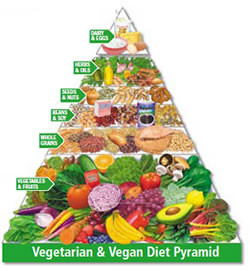
A vegetarian diet is primarily based on plant-derived foods and excludes the consumption of meat, poultry, and fish.
However, within vegetarianism, there are several variations that differ based on the inclusion or exclusion of animal byproducts like dairy and eggs. The most common form is the lacto-ovo vegetarian diet, which includes both dairy products such as milk, cheese, and yogurt, and eggs.
This variation is often preferred for diabetes management because it offers a broad range of nutrients like high-quality protein, calcium, and vitamin B12—all important for overall health and blood sugar regulation.
Another variation is the lacto-vegetarian diet, which includes dairy products but excludes eggs. This type is common in certain cultural and religious communities and can provide ample calcium and protein while still focusing on plant-based foods.
The ovo-vegetarian diet includes eggs but excludes dairy products. This diet provides high-quality protein from eggs and can be a good option for those who are lactose intolerant or choose to avoid dairy.
Veganism is the strictest form of vegetarianism and excludes all animal products, including dairy, eggs, honey, and sometimes even certain additives derived from animals.
While vegan diets can be healthy and effective for diabetes control, they require careful planning to ensure adequate intake of essential nutrients like vitamin B12, iron, omega-3 fatty acids, and protein.
For those managing diabetes, a lacto-ovo vegetarian diet is often recommended due to its nutrient diversity, but with proper guidance, vegan diets can also be beneficial and sustainable.
Understanding these variations helps individuals choose the best plan suited to their health and lifestyle needs.
Benefits of a Vegetarian Diet for Diabetes Control
Research consistently shows that vegetarian diets can benefit individuals with diabetes. Key advantages include:
- Improved Blood Sugar Control: Plant-based diets tend to have a lower glycemic load, helping to avoid blood sugar spikes.
- Increased Fiber Intake: Fiber slows carbohydrate absorption and improves insulin sensitivity.
- Weight Management: Vegetarian diets are typically lower in calories and fat, aiding in weight loss or maintenance, crucial for diabetes control.
- Lower Risk of Cardiovascular Disease: High in antioxidants, unsaturated fats, and fiber, these diets improve heart health—a major concern for diabetics.
- Reduced Inflammation: Plant foods contain anti-inflammatory compounds that may help improve insulin function.
Studies published in journals like “Diabetes Care” and “The American Journal of Clinical Nutrition” highlight these benefits, reinforcing vegetarianism as a viable strategy for diabetes management.
Key Components of a Diabetes-Friendly Vegetarian Diet
To effectively control diabetes, focus on these components:
- Complex Carbohydrates: Whole grains (brown rice, quinoa, oats), legumes, and vegetables provide slow-releasing energy.
- High Fiber: Aiming for at least 25–30 grams of fiber daily helps regulate glucose absorption.
- Plant-Based Proteins: Beans, lentils, tofu, tempeh, and low-fat dairy support muscle maintenance and satiety.
- Healthy Fats: Sources like nuts, seeds, avocados, and olive oil promote heart health.
- Low Glycemic Index Foods: These foods prevent sharp increases in blood sugar.
- Micronutrients: Ensuring adequate intake of vitamins B12, D, iron, and omega-3 fatty acids, which may require supplementation or careful food selection in some vegetarian diets.
Foods to Include and Avoid
Include:
- Whole grains (barley, millet, whole wheat)
- Legumes (beans, chickpeas, lentils)
- Non-starchy vegetables (spinach, broccoli, peppers)
- Fruits (berries, apples, pears in moderation)
- Nuts and seeds (chia, flax, walnuts)
- Low-fat dairy and eggs (if lacto-ovo vegetarian)
- Healthy oils (extra virgin olive oil, avocado oil)
Avoid or Limit:
- Refined carbohydrates (white bread, white rice, sugary snacks)
- High-fat dairy and fried foods
- Processed vegetarian products with added sugars or unhealthy fats
- Sugary beverages and excessive fruit juices
Emphasizing whole, minimally processed foods ensures better blood sugar control and nutritional adequacy.
Sample Meal Plan for Diabetes Management
Breakfast:
- Oatmeal topped with chia seeds, blueberries, and a handful of walnuts
Mid-Morning Snack:
- Low-fat yogurt with sliced almonds
Lunch:
- Mixed bean salad with quinoa, cherry tomatoes, cucumbers, olive oil, and lemon dressing
Afternoon Snack:
- Carrot sticks and hummus
Dinner:
- Stir-fried tofu with broccoli, bell peppers, and brown rice
Evening Snack:
- A small apple or a handful of mixed nuts
This plan balances carbohydrates, proteins, fats, and fiber, keeping blood glucose steady throughout the day.
Tips for Transitioning to a Vegetarian Diet
Transitioning to a vegetarian diet for diabetes control can be a smooth and rewarding process if approached thoughtfully.
One of the most important tips is to start gradually. Instead of making an abrupt change, begin by incorporating more plant-based meals into your routine slowly.
This helps your taste buds adapt to new flavors and textures, and it also allows your digestive system to adjust to the increased fiber intake commonly found in vegetarian foods.
Gradual changes reduce the risk of digestive discomfort and make the transition feel less overwhelming.
Planning balanced meals is equally crucial. Each meal should contain a good mix of protein, fiber, and healthy fats to maintain blood sugar stability and provide lasting energy.
Protein sources like beans, lentils, tofu, dairy, or eggs (if included in your vegetarian plan) help keep you full and support muscle health.
Fiber-rich vegetables and whole grains slow glucose absorption, while healthy fats from nuts, seeds, and oils promote heart health and satiety.
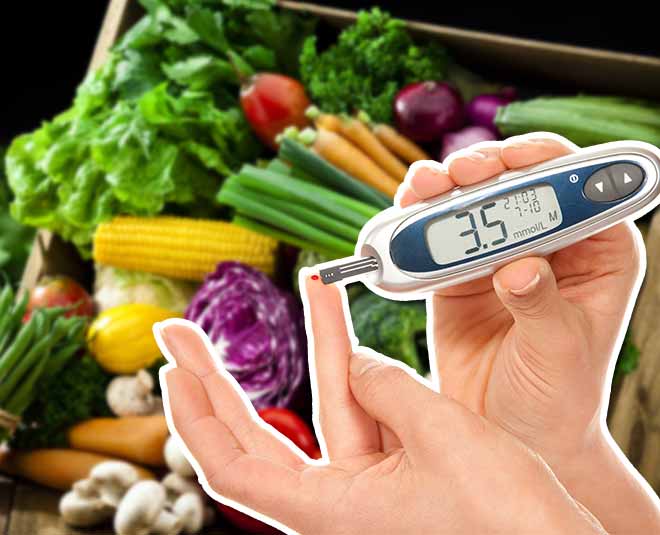
Monitoring your blood sugar closely during the transition helps you understand how different plant-based foods affect your glucose levels. This feedback allows you to fine-tune your diet for optimal control.
Consulting a registered dietitian or healthcare professional is highly recommended.
They can tailor your vegetarian diet to meet your unique nutritional needs, suggest appropriate supplements—such as vitamin B12 or iron if necessary—and help you avoid common pitfalls.
Staying hydrated by drinking plenty of water supports digestion and metabolic processes, which is especially important when increasing fiber intake.
Lastly, experiment with a variety of recipes and cuisines. Exploring different flavors and cooking styles keeps meals enjoyable and prevents dietary boredom, making your new vegetarian lifestyle sustainable and exciting.
Common Myths and Concerns
Myth 1: Vegetarian diets lack protein.
Reality: Plant-based proteins from legumes, dairy, eggs, and soy provide sufficient protein for most people.
Myth 2: Vegetarian diets are expensive.
Reality: Staples like beans, lentils, rice, and vegetables are affordable and widely available.
Myth 3: Managing diabetes with a vegetarian diet is complicated.
Reality: With proper planning, vegetarian diets can simplify blood sugar control by focusing on whole foods.
Summary and Final Thoughts:
A vegetarian diet offers a powerful approach to managing diabetes by focusing on nutrient-dense, fiber-rich plant foods that help stabilize blood sugar, reduce cardiovascular risk, and promote overall health.
By emphasizing whole grains, legumes, vegetables, and healthy fats while limiting refined and processed foods, people with diabetes can achieve better control and improve their quality of life.
Transitioning gradually, seeking professional advice, and adopting a balanced meal plan are key steps toward success.
Whether you choose a lacto-ovo or vegan path, the fundamental principles remain the same—nourish your body with wholesome plants and mindful eating to take control of your diabetes effectively.
Takeaway
Incorporating a vegetarian diet into diabetes management is more than just a dietary choice—it is a lifestyle that supports long-term health and well-being.
By focusing on plant-based, nutrient-rich foods, you empower your body to regulate blood sugar naturally and reduce diabetes-related complications.
This approach aligns with evidence-based recommendations and offers flexibility to suit your personal tastes and nutritional needs.
Remember, every positive dietary change counts, and with patience and planning, a vegetarian diet can be a delicious and effective tool in your diabetes control journey.
Embrace the power of plants and enjoy the benefits of a healthier, balanced life.
Recommended:
- https://bestdietarysupplementfordiabetics.com/dash-diet-basics-for-diabetes/
- https://bestdietarysupplementfordiabetics.com/mediterranean-diet-basics-for-diabetes/
- https://bestdietarysupplementfordiabetics.com/keto-basics-for-type-2-diabetes/
- https://bestdietarysupplementfordiabetics.com/plant-based-power-reversing-diabetes-naturally/
- https://pmc.ncbi.nlm.nih.gov/articles/PMC5439360/

admin
All Posts