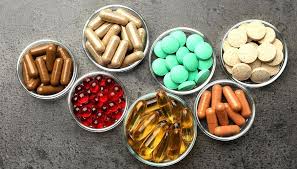
If you are receiving a drug for diabetes and are thinking of adding a vitamin, mineral, herb, or other dietary supplement to your regimen, you need to be aware of the potential drug interactions that may occur.
Vitamins, minerals, herbs, and other dietary supplements can have biological effects in the body and may affect the way some medications work.
Some supplements may also affect the amount of drugs in your body.
In addition, individual supplements may raise or lower your blood sugar levels.
This is a particularly important concern for people taking insulin or other glucose-lowering medications since an unintended change in blood glucose levels could cause hypoglycemia or loss of glucose control.
The American Diabetes Association (ADA) recommends that healthcare professionals ask their diabetic patients about supplements and that the ADA does not recommend routine use of vitamins, minerals, herbs, or spices for glycemic benefits in the absence of deficiency or other specific indication.
The National Center for Complementary and Integrative Health (NCCIH) also advises that people with diabetes speak to their healthcare professionals about dietary supplements since these can interact with drugs as well as have other safety concerns.
Article Index
- What Are Supplement–Diabetes Medication Interactions?
- How Can Supplements Interact With Diabetes Medications?
- Can Supplements Affect Drug Absorption?
- Can Supplements Change How Drugs Are Metabolized?
- Can Supplements Lower Blood Sugar Too Much?
- Supplements That May Interact With Diabetes Medications
- Berberine and Diabetes Medications
- Goldenseal and Metformin
- St. John’s Wort and Diabetes Medications
- Cinnamon, Ginseng, and Other Herbal Supplements
- Can Vitamins and Minerals Interact With Diabetes Medications?
- Do You Need to Separate Supplements and Diabetes Medications?
- How to Safely Take Supplements With Diabetes Medication
- What Does the Research Actually Show?
- What Does the ADA Recommend?
- When Should You Avoid a Supplement?
- Frequently Asked Questions
- Bottom Line
What Are Supplement–Diabetes Medication Interactions?
A supplement–diabetes medication interaction occurs when a dietary supplement affects the way a medication functions, is absorbed, metabolized, excreted, or is otherwise unsafe, or when both the supplement and the medication have an impact on the same physiological process.
If you are taking medication for diabetes, it is useful to understand the different diabetes medications and how they work.
Dietary supplements may contain a wide range of ingredients in addition to vitamins and minerals, including:
- Herbs and botanicals
- concentrated extracts
- amino acids
- enzymes
- powders
- capsules
- teas and concentrated foods
Some supplements have active ingredients that may affect enzymes, transporters, blood glucose levels, or other physiological processes.
According to NCCIH, a medication–supplement interaction may cause increased or decreased medication efficacy or harmful effects.
For people with diabetes, this is a concern due to the tight regulation of blood glucose levels — an interaction could cause hypoglycemia or hyperglycemia, reduced or increased medication efficacy, or other complications.
However, it is also important to note that not all potential interactions reported in the literature are actually observed in practice — some interactions are hypothetical, based on animal studies, or otherwise lacking in clinical evidence, such as NCCIH’s caution about herb–drug interactions.
How Can Supplements Interact With Diabetes Medications?
There are several ways in which an interaction could occur.
- The supplement could raise the effect of the medication
If both the supplement and the medication lower blood glucose, then taking them together could possibly have an increased effect, or be additive.
This is of particular concern if the diabetes medication has the potential to lower blood glucose too much (i.e. cause hypoglycemia), such as insulin or some secretagogues.
Depending on the supplement, diabetes medication, dose, and individual circumstances, the combination could increase the risk of hypoglycemia.
- The supplement could reduce the medication’s effect
There are many supplements that may impact how medications are absorbed or metabolized in the body.
If less of a medication is entering circulation, or if it’s being cleared from circulation faster, then its effects may be reduced.
According to NCCIH, goldenseal is one supplement that can reduce the effects of various medications, including metformin.
- The supplement could independently impact blood glucose levels
There are several supplements that have been studied for their potential to lower blood glucose levels, including:
- berberine
- cinnamon
- ginseng
- chromium
Evidence of benefit varies widely among these supplements, and the fact that they may cause blood glucose levels to decrease does not necessarily mean that they are an appropriate treatment option for diabetes.
The ADA does not suggest the routine use of any micronutrient, herb, or spice for glycemic benefit.
- The supplement could have an effect on other medications
A diabetic patient may be taking other medications for blood pressure, cholesterol, cardiovascular disease, kidney disease, or other conditions.
Therefore, it is important to check for interactions with other medications, not just the diabetes medications.
A supplement may impact another medication, even if it doesn’t have a significant effect on blood glucose levels.
Can Supplements Affect Drug Absorption?
Yes, some supplements may interfere with the amount of a drug that is absorbed into the bloodstream.
The gastrointestinal tract is one of the main sites of drug absorption, and some supplements or their components could affect this process.
That being said, it would be incorrect to claim that all minerals or supplements reduce the absorption of diabetes drugs.
It depends on the individual case and the type of medication, dose, form, and other factors.
Therefore, it would be wrong to recommend always taking the supplements at least 2 hours before or after the diabetes drugs, period, or to give general advice about the interactions between supplements and drugs.
Can Supplements Change How Diabetes Drugs Are Metabolized?
Yes.
Some drugs are metabolized by enzymes or transported by proteins in the intestine, liver, or elsewhere.
Some herbal products may affect these processes.
St. John’s Wort is a well-known example of a supplement that can induce drug-metabolizing enzymes and transporters, potentially decreasing the concentration or effectiveness of certain medications.
This does not mean that St. John’s Wort interacts with all diabetes drugs.
It simply has significant potential to induce many drug-metabolizing pathways, so that people taking prescribed drugs should consult their physician before taking it.
Can Supplements Lower Blood Sugar Too Much?
Some supplements may possess glucose-lowering properties; however, the degree to which they demonstrate this effect and its clinical significance is different for each.
This difference becomes particularly pertinent in the case of an individual already on glucose-reducing medication.
For instance, berberine has been extensively studied on patients with type 2 diabetes. The systematic review and meta-analysis conducted on the subject indicate that the supplement can reduce markers such as fasting glucose, postprandial glucose, and HbA1c, though the characteristics of the studies were varied.
NCCIH also reports that although some studies indicate the benefit of berberine for blood glucose management, the evidence is limited, and the substance can interact with other medications.
Therefore, the question posed by the patient cannot be answered with a simple yes or no; instead, one should ask: “Can this substance interfere with my medication or trigger abnormal blood glucose readings?”
The answer to this question would be dependent on the individual’s current prescriptions and health status.
The evidence relating to diabetes supplements changes constantly. Our summary of research on diabetes supplements contains information on the emerging evidence and the limitations of this area.
Supplements That May Interact With Diabetes Medications
There are certain supplements that require special attention due to the possibility of interactions or complications existing or being postulated.
Berberine
Berberine is a substance derived from the roots of various plants, including barberry, goldenseal, goldthread, Oregon grape, and tree turmeric.
It has been reported that berberine can reduce blood glucose levels and improve insulin sensitivity in patients with type 2 diabetes. According to NCCIH, the evidence on berberine is mixed, and the substance interacts with several medications.
Therefore, when taking diabetes medications, adding berberine is not as simple as adding another food to the diet. It is essential to consult with a healthcare provider before adding berberine to the diet.
Goldenseal and Metformin
Goldenseal is a type of herb that has been studied for potential interactions with metformin.
According to NCCIH, goldenseal may affect the way metformin is processed by the body.
A clinical pharmacokinetic study evaluated whether goldenseal could affect metformin exposure. The study found that goldenseal was associated with a dose-dependent reduction in metformin exposure, although the overall interaction was not considered large enough to be clinically relevant in the study population.
The finding is still relevant because it demonstrates that a dietary supplement can alter the amount of a diabetes medication present in the body. However, this result should not be interpreted to mean that goldenseal will significantly reduce the effectiveness of metformin in every person with diabetes.
This is an example of why supplement–medication interactions need to be evaluated according to the specific supplement, medication, dose, and individual circumstances.
St. John’s Wort
Probably the most notorious supplement for interacting with a large number of medications is St. John’s Wort.
NCCIH highlights that St. John’s Wort can reduce the effectiveness of many drugs by increasing the activity of liver enzymes that break down medications in the body.
This is especially crucial to consider for patients with diabetes, who often require multiple medications to control the disease and may also have other conditions, such as high cholesterol or depression. Therefore, prior to introducing St. John’s Wort into the diet, it is essential to review the list of all current medications with a healthcare provider.
Cinnamon
It has been reported that cinnamon can have a beneficial effect on blood sugar levels and is often promoted as a herbal supplement for people with diabetes.
The scientific evidence on this claim is limited, and the ADA does not support the use of cinnamon as a means of improving blood sugar levels. According to NCCIH, cinnamon supplements may interact with medications, and people taking diabetes medications should discuss concentrated cinnamon products with a healthcare professional before using them regularly.
It is essential to remember that the amount of cinnamon used in food preparation is much lower than the therapeutic doses used in medicine. Therefore, adding spices to food is unlikely to have the same impact as taking concentrated extracts.
Ginseng
Ginseng is a herb that has been studied for its potential role in regulating blood sugar levels.
The evidence is inconsistent, and there is not enough high-quality evidence to conclude that ginseng should be used as a treatment for lowering blood glucose in people with diabetes. Its potential interactions with prescription medications also need to be considered.
Ginseng has been studied for its effects on blood sugar but the reports are inconsistent. Read our detailed guide on ginseng and diabetes to learn more about it.
Chromium
Chromium is a trace mineral that has been reported to help regulate blood sugar levels.
The evidence on the benefits of chromium supplements is limited, and the ADA does not recommend its use to improve blood sugar levels. According to NCCIH, high doses of chromium supplements may cause adverse effects, and there have been reports of kidney and liver problems associated with chromium supplementation.
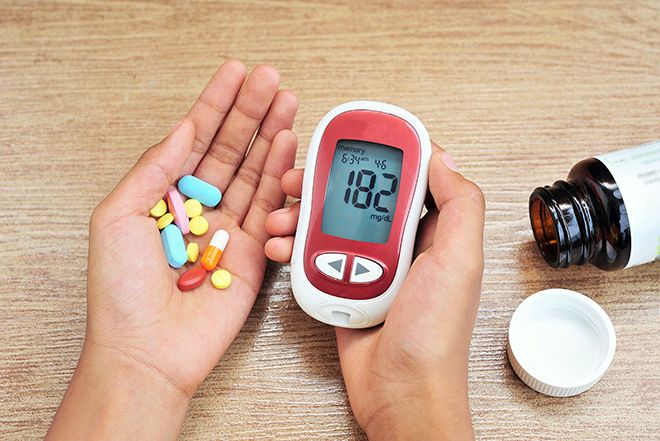
Can Vitamins and Minerals Interact With Diabetes Medications?
Yes, but it depends on the specific vitamin or mineral and medication.
It is not correct to assume that every vitamin or mineral supplement interacts with every diabetes drug.
More importantly, people with diabetes shouldn’t take supplements just because they think that vitamins and minerals will automatically improve their blood glucose.
The ADA states that supplementation of micronutrients like magnesium or chromium is not recommended for glycemic benefits in people with diabetes without an appropriate indication.
See our guide to magnesium and blood sugar for a closer look at the evidence.
There are sometimes however indications where supplementation may be appropriate.
The ADA notes that metformin use is associated with vitamin B12 deficiency and that periodic assessment of vitamin B12 status should be considered, particularly in people taking metformin who have anemia or peripheral neuropathy.
This is very different to taking a supplement just to simply lower your blood sugar.
Do You Need to Separate Supplements and Diabetes Medications?
If you have diabetes and want to begin a supplement, these steps can significantly lower the risk of a possible avoidable interaction.
- Make sure to make a complete list of everything you are taking
This includes:
- prescription diabetes medications
- insulin
- over-the-counter medications
- vitamins
- minerals
- herbal supplements
- powders
- teas
- combination products
The NCCIH recommends making a written list of your medications and supplements that includes how much and how often you are taking them and bringing this to your healthcare professional.
- Ask before you begin taking the supplement,
Just because something says ‘natural’ doesn’t mean that it is safe.
Your pharmacist may be able to flag potential interactions based on what you are already taking.
- Make sure to check the ingredients
Some combination products may include multiple active ingredients.
The ingredient that causes the interaction may not be obvious from the marketing name.
- Don’t stop a prescribed medication to make room for a supplement
A healthcare professional should not recommend a supplement in place of a proven medication to treat diabetes.
The NCCIH warns that products are sometimes marketed as a natural diabetes cure or alternative to diabetes medication, but should not be used to replace a persons diabetes treatment regimen.
- Make sure to monitor your blood glucose, when clinically appropriate
If a healthcare professional recommends an over-the-counter supplement that may impact blood glucose, ask if your blood glucose needs to be monitored more closely when beginning or adjusting the dose of a new supplement.
This is especially important when taking medications that have the potential to cause hypoglycemia.
- Make sure to watch for symptoms of hypoglycemia
Symptoms of low blood sugar can include:
- shakiness
- sweating
- hunger
- dizziness
- confusion
- weakness
- rapid heart beat
If you are taking insulin or a medication that has the potential to cause hypoglycemia, ask your healthcare professional what to do if your blood glucose becomes too low.
- Don’t rely on reviews as an indicator of the safety of a supplement
While online reviews can tell you how an individual felt about a product, they can’t prove that the product is safe with your specific medication.
- Think about the quality of the product
There can be significant differences between similar products that include the same named ingredient.
The NCCIH warns that products purchased from stores or online may not be the same as the ones that have been tested in clinical trials.
What Does the Research Actually Show?
One of the challenges in providing information about supplement–medication interactions is that there is a wide range in the quality of evidence for different interactions.
There are several types of evidence for interactions between dietary supplements/herbs and drugs, including:
- evidence from laboratory studies,
- animal studies,
- pharmacokinetic studies in healthy volunteers,
- clinical studies in patients,
- observational studies,
- case reports,
- systematic reviews and meta-analyses.
Each of these provides different levels of evidence for an interaction.
For example, an interaction observed in a laboratory setting may not necessarily occur in humans when a drug is administered at therapeutic doses.
The NCCIH clinical alert makes it clear that many of the reported herb–drug interactions are theoretical or have only indirect evidence, while a few interactions are well-established. This is why a properly written article should make a distinction between interactions that have been demonstrated and those that are only possible.
Such nuance is especially important in the case of diabetic drugs.
What Does the ADA Recommend?
The 2026 American Diabetes Association Standards of Care recommend that health care professionals evaluate supplement use and provide counseling as needed to people living with diabetes.
The ADA explicitly states that the use of micronutrients (vitamins and minerals) or herbs and spices (such as cinnamon and aloe vera) is not recommended for their glycemic benefits.
The ADA recommends that individuals with diabetes consider specific supplements in case of a deficiency or when specific nutritional needs are identified.
For example, vitamin B12 monitoring is recommended in patients on the medication metformin if they present with anemia or peripheral neuropathy.
The practical takeaway message is therefore not:
“Never take supplements if you have diabetes.”
It is:
“Use supplements for a specific, evidence-based reason and make sure your healthcare professional knows what you are taking.”
When Should You Avoid a Supplement?
Extra caution is needed when:
- the product claims to cure or reverse diabetes
- it claims to substitute for diabetes medication
- ingredients are not disclosed
- the dose is exceptionally high
- the product contains numerous glucose-lowering ingredients
- a person takes insulin or medication that may result in hypoglycemia
- renal disease is present
- liver disease is present
- a person takes several prescription drugs
- pregnancy or breastfeeding
- the safety and effectiveness of the product have not been adequately studied
- the supplement is only recommended through online testimonials
Individuals with diabetes should exercise caution when considering supplements that claim to cure or reverse diabetes.
The National Center for Complementary and Integrative Health and the Food and Drug Administration warns that some products making such claims are illicit. These products may contain harmful ingredients not stated on the label.
If you are considering a dietary supplement, our guide on how to choose safe dietary supplements for diabetes explains what to look for before adding a product to your routine.
Frequently Asked Questions:
Can supplements interfere with diabetes drugs?
Supplements have the potential to increase or decrease the effects of medications, affect how drugs are processed in the body, or independently alter blood glucose levels. The evidence for such interactions varies widely.
Can supplements cause low blood sugar?
Certain supplements can lower blood glucose. Combined with diabetes drugs that also lower blood glucose, supplements could increase the risk of low blood sugar. The effect depends on the supplement, medication, dose, and individual factors.
If you are researching dietary supplements for diabetes, you can also review our broader guide to supplements for people with diabetes.
Can I take supplements with metformin?
It depends on the specific supplement. Goldenseal, for example, has been studied for its potential effect on metformin exposure. This does not mean that every supplement interacts with metformin, but you should check a specific supplement for potential interactions before taking it regularly with metformin.
Do not assume that all supplements are safe to take with metformin.
As you may already be aware, Metformin is the most commonly used medication for treating diabetes. Nonetheless, you need to know how Metformin lowers blood sugar. Only then, you would understand why and how supplement intake may affects the metabolism and absorption of Metformin.
Does berberine interact with diabetes meds?
Berberine can interact with certain medications and affect blood glucose levels. NCCIH recommends talking with a healthcare provider before taking berberine if you are also taking medications.
If you are considering this supplement then, do read our guide that discusses Berberine and diabetes.
Does cinnamon interact with diabetes meds?
Cinnamon supplements may lower blood glucose. NCCIH advises against taking cinnamon along with other diabetes drugs because it can cause adverse effects. Studies have not shown that cinnamon supplements are a consistently effective treatment for type 2 diabetes.
Does St. John’s wort interact with diabetes meds?
St. John’s wort is known to interact with many medications because it induces hepatic enzymes, increasing the metabolism of other compounds. People taking any prescription medications should talk with their doctor or other healthcare provider before taking St. John’s wort.
Should I take my supplements 2 hours away from my diabetes meds?
No, there is no universal two-hour rule for separating supplements from diabetes medications. Some specific supplements and medications may need to be taken several hours apart because of absorption or other interactions, while others do not.
The appropriate timing depends on the specific supplement and medication. A pharmacist or other healthcare professional can check whether separation is necessary for your particular combination.
Are vitamins safe with diabetes meds?
A vitamin is not necessarily safe simply because it is a vitamin. The safety of a vitamin depends on the specific vitamin, dose, medication, and individual health factors.
Should Type 2 diabetics take supplements to lower blood sugar?
Type 2 diabetics should not take supplements to lower blood sugar except in carefully considered circumstances. The ADA does not recommend the routine use of supplements for the purposes of improving blood glucose control.
Can I stop taking diabetes meds if a supplement lowers blood sugar?
No, do not stop or reduce a prescribed medication because of a supplement. Lowering of blood sugar by a supplement does not mean that the medication is no longer needed.
Who should I ask to tell me about interactions between my supplements and diabetes medications?
A pharmacist, physician, diabetes specialist, or other healthcare professional can assess the specific situation and determine whether a given combination is of concern.
Bottom Line: Supplements and Diabetes Medication Interactions
Supplements are biologically active products, and “natural” does not automatically mean “interaction-free.”
Some supplements may affect blood glucose or interfere with medication, but not all reported interactions are established and should be differentiated from theoretical interactions.
The safest course of action is as follows:
Know what you take → know what is in it → check for interactions → monitor accordingly, and do not discontinue glucose-reducing therapy without consulting a healthcare provider.
The 2026 ADA Standards of Care do not recommend the routine use of any vitamin, mineral, herb, or spice to improve glycemic control. However, they might be considered for use in patients with a deficiency or other indications.
Some supplements are meant to be used as blood sugar support supplements, but their effects on blood sugar might need to be taken into account if you’re using glucose-lowering medication.
If you have diabetes and want to take a supplement, bring the label with you and ask your pharmacist or healthcare provider if it is right for you with your medications, conditions, and glucose-management plan.
Medical Disclaimer:
The information in this article is intended for educational and informational purposes only and should not be used as a substitute for medical advice, diagnosis, or treatment.
Interactions between supplements and medications can be complicated and depend on the specific substance, dose, medical history, and other factors; thus, it is not recommended to make any changes to the diabetes medication regimen based on this information.
If you are considering taking a dietary supplement, consult your doctor, diabetes educator, or pharmacist before doing so, especially if you are on insulin or diabetes pills, have kidney or liver disease, take several medications, or are pregnant or breastfeeding.
References:
- American Diabetes Association Professional Practice Committee for Diabetes. 5. Facilitating Positive Health Behaviors and Well-being to Improve Health Outcomes: Standards of Care in Diabetes—2026.
https://diabetesjournals.org/care/article/49/Supplement_1/S89/163932/5-Facilitating-Positive-Health-Behaviors-and-Well
This is particularly important because Section 5 specifically addresses dietary supplements and states that vitamins, minerals, herbs, and spices are not recommended for glycemic benefits. - National Center for Complementary and Integrative Health (NCCIH). Diabetes and Dietary Supplements: What You Need To Know.
https://www.nccih.nih.gov/health/diabetes-and-dietary-supplements-what-you-need-to-know
Useful for your discussion of berberine, cinnamon, ginseng, supplement safety, and the potential for supplements to interact with conventional diabetes medicines. - National Center for Complementary and Integrative Health (NCCIH). How Medications and Supplements Can Interact.
https://www.nccih.nih.gov/health/know-science/how-medications-and-supplements-can-interact/introduction
This supports your general explanation of how supplements can affect medications. - National Center for Complementary and Integrative Health (NCCIH). Goldenseal: Usefulness and Safety.
https://www.nccih.nih.gov/health/goldenseal
Especially relevant to your Goldenseal and Metformin section. - National Center for Complementary and Integrative Health (NCCIH). Herb-Drug Interactions: What the Science Says.
https://www.nccih.nih.gov/health/providers/digest/herb-drug-interactions-science
Useful for your discussion of why some reported interactions are theoretical while others have stronger clinical evidence. - U.S. Food and Drug Administration (FDA). Mixing Medications and Dietary Supplements Can Endanger Your Health.
https://www.fda.gov/consumers/consumer-updates/mixing-medications-and-dietary-supplements-can-endanger-your-health
This directly supports your discussion of supplements affecting medication absorption, metabolism, excretion, and potency. - American Diabetes Association Professional Practice Committee for Diabetes. 9. Pharmacologic Approaches to Glycemic Treatment: Standards of Care in Diabetes—2026.
https://diabetesjournals.org/care/article/49/Supplement_1/S183/163934/9-Pharmacologic-Approaches-to-Glycemic-Treatment
This provides authoritative background for the diabetes medications discussed in your article, including insulin, sulfonylureas and other glucose-lowering therapies. - Why trust us?
- For educational purpose only

admin
All Posts