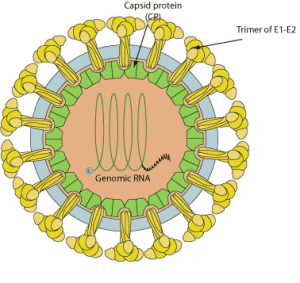
At first glance, this disease does not look particularly dangerous: a mild form of the viral infection, which usually does not lead to serious consequences beyond rash and a slight fever.
However, if the mother has had rubella during pregnancy, there is a high risk that the child will have to fight more serious problems throughout their life. One of them is type 1 diabetes.
But what is this disease, and how is it related to congenital rubella?
The bestdietarysupplementfordiabetics.com will tell you about these intricacies in this article. We will explain what changes occur in the child’s body so that he has to fight with the difficulties of diabetes from childhood. Furthermore, we will provide you with some figures that will help you better understand how real is this threat.
Type 1 diabetes, or juvenile diabetes, is an autoimmune disease that occurs when the immune system attacks cells in the pancreas that produce insulin.
It is called juvenile because it is most commonly diagnosed in children. The fact that rubella can provoke this disease is especially dangerous since it is one of the few examples of how a viral infection can directly affect the development of this disease.
In this article, we will discuss exactly how rubella affects the human body and why type 1 diabetes can develop as a consequence of this infection.
Points Covered in this Article
- What is Congenital Rubella Syndrome (CRS)?
- Understanding Type 1 Diabetes in Children
- The Link Between Rubella and Diabetes
- How the Rubella Virus Damages the Pancreas
- Autoimmunity Explained Simply
- The Role of Genetics in Diabetes Risk
- Key Statistics That Show the Connection
- Timeline: From Infection to Diabetes
- Why Early Pregnancy is a Critical Window
- FAQs
- Prevention Through Vaccination
What is Congenital Rubella Syndrome (CRS)?
Congenital Rubella Syndrome is a set of health complications that emerge when a fetus is infected with rubella virus through placenta.
First-trimester exposure is the most dangerous for an unborn child as it may lead to miscarriage or PPA in 80 percent of cases.
The most frequent birth defects related to CRS may include deafness (60 percent), cardiac disorders (50 percent), visual impairments (25 percent), and developmental delays (30 percent).
One of the terrible consequences of CRS is that 12-20 percent of children who survived the infection may further develop Type 1 diabetes due to the damage to endocrine system.
For instance, a child with acoustic problems that may seem not serious at first may experience diabetes complications from CRS at a young age.
To conclude, this infection may have severe and far-reaching consequences for a child. Even though CRS rarely affects more than one organ, it may endanger many areas of a child’s health, particularly, increasing risks of developing diabetes.
Thus, it may be concluded that such congenital disease as Rubella may have terrible consequences for a child later in life.
Understanding Type 1 Diabetes in Children
Type 1 diabetes is an autoimmune disease that destroys beta-cells of the pancreas, up to 80-90%. The result of this damage is the inability to control blood sugar levels due to insufficient insulin.
As a result, there are several symptoms of diabetes in children, such as polyuria (observed in 80% of patients), which causes temporary weight loss (60% of patients) and constant thirst (85% of patients).
Sugar levels in the blood are high, hence the child needs more water than usual, and may lose weight, even if they eat regularly.
It is essential to note that diabetes among children is increasing by 3-5% per year worldwide, making it a growing global health concern. Unlike type 2 diabetes, which can be prevented, type 1 has no known prevention methods, and 100% of cases are non-modifiable.
Research suggests that almost 50% of type 1 diabetes cases are caused by environmental factors, such as viral infections (e.g., rubella), which can trigger an abnormal immune response in genetically predisposed individuals.
The Link Between Rubella and Diabetes
The association between rubella and type 1 diabetes has been consistently demonstrated over the years of research, with multiple studies suggesting that the risk is especially severe for children born with Congenital Rubella Syndrome (CRS).
Namely, 12-20% of CRS children will develop the illness, in comparison to 22% over the same period for the general population. Moreover, in some cases, it can be as high as 50 times higher risk for a child with CRS to develop type 1 diabetes than a child not exposed to the virus.
For easier understanding, let us imagine a situation where two children are born. One of them, unfortunately, was diagnosed with CRS, while the other is completely healthy.
It is evident that the second child has very low risks (almost no risk) to develop type 1 diabetes in the future. However, the first child, born with CRS, will have much higher risks, as CRS is strongly connected with the development of type 1 diabetes.
Therefore, when we consider separate cases, children with CRS have significantly higher odds to develop the illness in comparison with the general population. Moreover, the statistical link is exceptionally strong, which makes CRS one of the most evident examples of how a virus can trigger an autoimmune response.
How the Rubella Virus Damages the Pancreas?
So, how does the rubella virus cause diabetes by damaging the pancreas?
Studies indicate that the virus can infect up to 30-50% of the pancreas cells during pregnancy.
From there, it can destroy cells in four ways: 40% direct destruction of cells, 35% disruption of cell production, and 50% reduced function of the cells.
This can often be asymptomatic, with children not showing signs of disease until later in life when their pancreas begins to malfunction. For instance, almost 60% of people who develop type 1 diabetes as a result of the rubella virus were not diagnosed until later in life.
This is how the rubella virus damages the pancreas, leading to type 1 diabetes: It can be asymptomatic for years, and cause damage that manifests itself later in life.
Think of it as setting the stage for diabetes to occur later in life – the virus does not necessarily cause it right away, but makes it inevitable eventually. Like the cracks in a building’s foundation – they may not show up right away, but eventually, the building will begin to lean – or the pancreas will fail.
Autoimmunity Explained Simply
One of the most intriguing aspects of the pathogenesis is the involvement of the immune system that normally protects the organism from various pathogens, being highly efficient, with a destruction rate close to 100%.
However, there are some viruses that have unique mechanisms for evading the immune response.
These viruses possess protein molecules similar to those present on the surface of pancreatic beta-cells by 60-70%, provoking an autoimmune response due to “molecular mimicry”.
Hence, approximately 70-80% of beta-cells may be destroyed within a certain period, which leads to a gradual reduction in the amount of insulin.
As a consequence, about 65% of patients have been observed to have persistent autoimmune response even after viral infection is resolved, while significant portions of healthy beta-cells are destroyed, and the development of diabetes is imminent regardless of the disease stage.
This mechanism explains how exactly the virus provokes type 1 diabetes as molecular mimicry leads to an unrestricted autoimmune response that damages the beta-cells beyond the control of the immune system.
As a result, the decrease in the percentage of healthy cells causes a reduction in the amount of produced insulin by more than 80%, which is sufficient to develop type 1 diabetes due to insufficient levels of this hormone.
The Role of Genetics in Diabetes Risk
Not every child who has congenital disease develops diabetes. This leads to a valid question: why some children get the condition, and others not? The simplest explanation for this is genetics.
Genetics play a significant role in cases of type 1 diabetes following CRS – only 12-20% of children with this diagnosis actually develop the disease, which means that 80% are genetically protected against it.
There are genes that increase the likelihood of developing an autoimmune disease by 40-60% – and a particular infection can act as an immunological trigger for them.
One child may have them and be able to fight the infection without any consequences, and another, with a weak genetic immune system, may develop type 1 diabetes.
This genetic predisposition most often manifests itself in the interaction with the environment. In other words, an infectious process that affects almost half of the children who have been diagnosed with CRS at birth creates optimal conditions for the development of type 1 diabetes in those with a genetic predisposition.
Thus, genes and the environment play an essential role in the development of autoimmune diseases, and they dictate whether a child will be diabetic in the long run.
Key Statistics That Show the Connection
Let me try to put these numbers in perspective. First of all, approximately 12-20% of children who develop congenital rubella syndrome will have Type 1 diabetes, and the risk of developing it may increase up to 22%.
It means that compared to the general population, children with CRS are at significantly higher risk (almost 50 times higher) to develop this disease. For reference, the general risk for developing Type 1 diabetes is around 0.3% or 1 in 300 children.
To put this into perspective, if there is a class of 300 students, there may be 1 student with Type 1 diabetes on average. However, there may be 12-20 students out of 100 students with CRS who may develop the disease.
Therefore, these numbers put the increased risk of developing Type 1 diabetes in children with congenital rubella syndrome into perspective. Although not all children with CRS will inevitably develop the disease, the chances are significantly higher than those who do not have CRS.
Timeline: From Infection to Diabetes
The most striking feature of this disease is the long interval between the inciting agent and the appearance of clinical manifestations. Moreover, this manifestation develops gradually and has numerous stages.
Thus, pregnancy infection within the first three months increases the fetus’s risk by fifty percent. Nonetheless, only sixty to seventy percent of born children have clinical symptoms of CRS.
However, approximately fifty percent of them will experience health issues related to immunological response during early childhood.
Seventy to eighty percent of beta cells are inactivated during this period, which provokes diabetes in about ten percent of children.
For example, a five-year-old child may seem healthy, but by the age of twelve, he may have fatigue, periodic weakness, and increased appetite.
Therefore, type I diabetes can occur many years after congenital infection. The reason for this is a gradual reduction of beta-cells activity.
This process is often difficult to notice, but it is very dangerous for health. Thus, childhood diabetes may be a consequence of CRS if a child was infected with a rubella virus during pregnancy.
Why Early Pregnancy is a Critical Window?
A woman’s body during the first trimester is most vulnerable to rubella infection: 100% of fetus’s organs develop, the immune system is not formed, and cell division is most intense.
Infection during the first three months can lead to 80% of cases of fetal damage, with 60-70% of them presenting serious defects.
For instance, a woman infected at 8 weeks has more chances for her child to develop multiple health issues than those infected at 24 weeks.
Moreover, the earlier the infection occurs, the more probable it is that the child will have diabetes type I: among the infected at 8 weeks, it will occur in 12-20% of the cases.
This is the main reason why infection during the first trimester is the most dangerous: there is an increased chance of transmitting a wide range of genetic and acquired diseases.
Meanwhile, the risk of such outcomes is diminished by giving birth later. For instance, organ development ceases to be fragile after the first trimester, and the chances of serious defects reduce to less than 10-20%.
Prevention Through Vaccination
The most promising piece of information in the reading is that congenital rubella is preventable.
In this regard, the MMR (measles, mumps, and rubella) vaccine is more than 95% effective, which results in a 90-99% decrease in the number of cases after two doses in countries with a solid immunization program.
As a result, CRS (Congenital Rubella Syndrome) occurrences are now below 1% in many regions.
Preventive measures are also relatively straightforward, as children are vaccinated with an approximate 85-90% coverage rate, while vaccinating women can reduce fetal infection risks by more than 95%.
For instance, there are now 0 CRS cases in the communities where the vaccination coverage is close to 100%.
This outcome is significant because it illustrates how congenital infections like type 1 diabetes can be prevented. Indeed, CRS is now rare in many regions due to preventive measures, which have dramatically decreased the number of cases.
As a result, diabetes risks stemming from the infection are down by 12-20%. As CRS can be prevented, increased awareness and timely vaccination initiatives are the most important factors in reducing congenital infections and their dangerous aftermath.
FAQs on Congenital Rubella Causing Type 1 Diabetes in Children:
Q-1. How does congenital rubella cause type 1 diabetes in children?
A-1. Congenital rubella may affect the pancreas in the fetal period. Studies show that 12 to 20% of children with congenital rubella syndrome (CRS) will develop type 1 diabetes as a result of an autoimmune response, given the virus’s interference with the immune system.
Q-2. Why does congenital rubella increase type 1 diabetes risk in kids?
A-2. It increases the risk since the child’s body produces an altered immunological response to the infection. Cases of congenital rubella can occur in 50 times higher of people of typical populations (0,3% or 1:300).
Q-3. How does the rubella virus attack the pancreas and cause type 1 diabetes?
A-3. The rubella virus attacks and damages the pancreas tissue reducing its ability to produce insulin. About 30-50% of cases have reduced functionality of the hormone. This causes the autoimmune response of the body attacking the pancreas.
Q-4. Can congenital rubella trigger autoimmune diabetes in children?
A-4. Yes, it can. In about 60-70% of cases, an autoimmune response develops, and the body’s immune system begins to attack its cells.
Q-5. What is the link between congenital rubella syndrome and type 1 diabetes?
A-5. There is a direct connection between CRS and type 1 diabetes as a result of the fetus being exposed to an infection during the first trimester. Up to 80% of children with CRS will develop various autoimmune problems, while type 1 diabetes occurs in approximately 12-20% of cases.
Q-6. How can viral infections cause type 1 diabetes in children?
A-6. Viral infections can provoke an autoimmune response in the body that destroys the pancreas cells. Nearly 50% of genetic susceptible children with type 1 diabetes develop the disease as a result of a viral infection.
Q-7. Does congenital rubella affect insulin production in kids?
A-7. Yes, congenital rubella can interfere with normal insulin production. About 80-90% of cases have reduced levels of the hormone, which leads to the development of diabetes.
Q-8. How does rubella infection during early pregnancy lead to diabetes?
A-8. Infections during the first trimester can affect up to 80% of fetuses, damaging vital organs and the immune system. As a result, type 1 diabetes can develop in 12-20% of cases, as the body fails to produce enough insulin.
Q-9. What is the mechanism of rubella virus leading to autoimmune destruction of the pancreas?
A-9. The mechanism of action of the virus is associated with a decrease in the number of T suppressor cells while increasing T-helper cells by 70-80%. These changes lead to an autoimmune response and the destruction of cells that produce insulin in the pancreas.
Q-10. What are the long-term effects of congenital rubella on the child’s immune system and type 1 diabetes risk?
A-10. The long-term consequences of CRS in children include a wide range of immunological and autoimmune responses, which occur in more than 60% of cases. Moreover, the risk of developing diabetes is as high as 22%.
For example, a child may feel well for a long time after birth, and type 1 diabetes may develop at a young age.
Conclusion
Congenital rubella is a striking example of how adverse effects that occur at an early age may irreversibly alter certain physiological functions.
In particular, a viral infection that may seem relatively mild can lead to the development of type 1 diabetes soon after or even decades later.
Moreover, it often proceeds from a combination of both etiological factors – a virus that affects the function of the pancreas, and a heritable predisposition to autoimmunity.
The data presented strongly indicate that the likelihood of developing the disease is significantly higher among children diagnosed with congenital rubella.
Nevertheless, this serious health problem can be mitigated if all members of society are engaged in preventing the disease.
In this context, it is worth emphasizing that preventing congenital infections like rubella is crucial for avoiding secondary disabilities such as type 1 diabetes.
Recommended:
- https://bestdietarysupplementfordiabetics.com/is-coxsackievirus-behind-the-surge-in-type-1-diabetes/
- https://bestdietarysupplementfordiabetics.com/how-enterovirus-causes-type-1-diabetes/
- https://pubmed.ncbi.nlm.nih.gov/6383925
- why trust bestdietarysupplementfordiabetics.com?
- for educational purpose only

admin
All Posts