
Managing type 2 diabetes is a daily balancing act that involves medication, exercise, and most importantly, diet.
For many people living with this condition, finding the right foods that help control blood sugar levels is a constant challenge.
Recently, the gluten-free diet, once thought to be relevant only for celiac disease, has caught the attention of those managing type 2 diabetes.
Gluten is a protein found in wheat, barley, and rye, and many wonder if cutting it out can actually help with blood sugar control and insulin sensitivity.
While gluten itself doesn’t raise blood sugar, the foods containing it often do, and gluten may also contribute to inflammation, which complicates diabetes management.
This article by bestdietarysupplementfordiabetics.com dives deep into how a gluten-free diet could be a useful tool for people with type 2 diabetes, supported by scientific research and practical examples.
Whether you’re newly diagnosed or have been managing diabetes for years, understanding how gluten interacts with your body can empower you to make better dietary choices.
Article Index
- Overview of Type 2 Diabetes and Diet
- What Does Going Gluten-Free Mean?
- How Gluten-Containing Foods Impact Blood Sugar
- Gluten, Inflammation, and Insulin Resistance
- Real-Life Benefits of a Gluten-Free Diet for Type 2 Diabetes
- Research Backing the Gluten-Free Approach
- How to Transition to a Gluten-Free Diet Successfully
- Challenges to Watch Out For
- Conclusion
Overview of Type 2 Diabetes and Diet
Type 2 diabetes is a chronic metabolic disorder where the body’s cells resist the action of insulin, a hormone responsible for moving glucose from the bloodstream into cells to be used for energy.
When this process falters, blood sugar levels rise, leading to serious health risks like heart disease, nerve damage, and kidney problems.
Managing type 2 diabetes is heavily dependent on diet because the foods you eat directly influence your blood glucose levels.
For decades, the focus has been on controlling carbohydrate intake, choosing low glycemic index foods, and maintaining a healthy weight.
Whole grains like wheat, barley, and rye have generally been recommended because of their fiber content, which slows glucose absorption.
However, these grains also contain gluten. This raises the question: could gluten itself or gluten-containing foods be contributing negatively to blood sugar control or inflammation in people with diabetes?
What Does Going Gluten-Free Mean?
A gluten-free diet excludes all foods containing gluten, a protein composite found in wheat, barley, rye, and derivatives of these grains.
This diet is essential for people with celiac disease, an autoimmune condition where gluten triggers an immune attack on the small intestine.
But gluten-free eating has gained popularity beyond this group, with many people claiming better digestion, reduced inflammation, and increased energy after removing gluten.
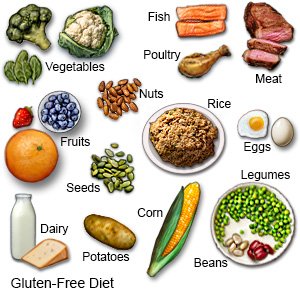
Gluten-containing staples like bread, pasta, cereals, and baked goods are replaced with gluten-free alternatives such as rice, quinoa, corn, buckwheat, and gluten-free oats.
For example, instead of a classic sandwich made with wheat bread, someone following a gluten-free diet might opt for a lettuce wrap or bread made from almond flour or rice flour.
The key is not just removing gluten but choosing nutrient-dense, minimally processed gluten-free foods.
How Gluten-Containing Foods Impact Blood Sugar?
It is important to understand that gluten itself is not a carbohydrate and does not directly raise blood sugar. However, many gluten-containing foods are made from refined wheat, which has a high glycemic index.
This means these foods are quickly broken down into glucose, causing rapid spikes in blood sugar levels. For instance, white bread, a common gluten-containing food, can raise blood sugar much faster than whole, fiber-rich foods.
These spikes are particularly problematic for people with type 2 diabetes, who already have impaired insulin function. Moreover, frequent blood sugar spikes lead to greater insulin demand and can worsen insulin resistance over time.
Consider a typical breakfast of toast with jam. If made with white wheat bread, the toast can cause a quick rise in blood glucose, followed by a crash that leaves you hungry and craving more carbohydrates.
Switching to gluten-free, low glycemic options such as quinoa porridge or gluten-free oats paired with nuts and berries provides slow-releasing energy, stabilizing blood sugar and helping manage hunger better throughout the morning.
Gluten, Inflammation, and Insulin Resistance
Chronic low-grade inflammation plays a central role in the development and progression of type 2 diabetes.
Inflammation interferes with insulin signaling, making it harder for cells to respond effectively to insulin.
Some studies suggest that gluten may contribute to inflammation in certain individuals, even if they don’t have celiac disease.
For example, people with non-celiac gluten sensitivity experience symptoms like bloating, fatigue, and joint pain when they consume gluten.
Emerging research indicates that gluten can stimulate the immune system and increase levels of inflammatory cytokines, which can exacerbate insulin resistance.
One example comes from patients who report less joint stiffness and more energy after removing gluten from their diets.
This improvement may be linked to reduced inflammatory markers, which also have a positive effect on blood sugar regulation. Inflammation can also disrupt the gut barrier, allowing toxins to enter the bloodstream—a condition known as “leaky gut.”
This further promotes systemic inflammation and insulin resistance. By adopting a gluten-free diet, some people observe improvements in digestive health and inflammation, which indirectly aids better blood sugar control.
Real-Life Benefits of a Gluten-Free Diet for Type 2 Diabetes
There are several compelling benefits for people with type 2 diabetes who follow a gluten-free diet, especially when the diet emphasizes whole, unprocessed foods.
Improved Blood Sugar Control:
Many gluten-containing foods are high in refined carbs, which cause blood sugar spikes. Replacing these with vegetarian diet for diabetics, such as, gluten-free whole grains like quinoa, brown rice, and gluten-free oats helps reduce these spikes.
For example, research participants who swapped wheat bread for gluten-free alternatives often report more stable glucose readings and less post-meal fatigue.
Reduced Inflammation:
Removing gluten can lower inflammatory markers in the body. For instance, individuals with both type 2 diabetes and gluten sensitivity might notice decreased joint pain and improved insulin sensitivity after going gluten-free if they try Atkins diet.
Better Gut Health:
A gluten-free diet often encourages the consumption of more fiber-rich, nutrient-dense foods, which supports a healthy gut microbiome. A balanced gut flora is essential for metabolic health and better glucose metabolism.
Weight Management:
Gluten-free diets that focus on flexitarian foods naturally reduce processed food intake, which can help with weight loss. Since weight loss is a critical factor in reversing insulin resistance, this is a significant advantage.
Example:
Sarah, a 52-year-old woman diagnosed with type 2 diabetes, began a gluten-free diet after noticing bloating and fatigue from her regular meals. Within three months, she reported better blood sugar levels and lost 10 pounds without feeling deprived. Her doctor noted improvements in her HbA1c, a marker of long-term glucose control.
Research Backing the Gluten-Free Approach
Scientific interest in gluten’s role beyond celiac disease has grown in recent years, with several studies examining its effects on type 2 diabetes management.
A 2018 review in the journal Nutrients explained that gluten-free diets coupled with vegan diet improved gut barrier function, reducing systemic inflammation and potentially improving insulin sensitivity. The authors highlighted that gluten removal could be beneficial in metabolic disorders characterized by inflammation.
Another study published in the Journal of Diabetes Research in 2020 found that type 2 diabetic patients who followed a gluten-free diet for 12 weeks showed significant decreases in inflammatory markers such as C-reactive protein (CRP) and interleukin-6 (IL-6).
Clinical Nutrition published a trial in 2019 where participants with type 2 diabetes adhered to a gluten-free diet and experienced improved glycemic control, with lowered fasting glucose and better postprandial blood sugar levels.
However, researchers also caution that gluten-free diets can sometimes be low in fiber and micronutrients if not planned carefully. For example, gluten-free processed products may lack iron, B vitamins, and fiber, which are essential for diabetes management and overall health.
How to Transition to a Gluten-Free Diet Successfully?
If you’re considering a gluten-free diet to help manage type 2 diabetes, here are some practical steps to make the transition smooth and sustainable.
Consult Your Healthcare Team:
Always discuss any major dietary changes with your doctor or a registered dietitian to ensure your plan is safe and nutritionally balanced.
Start by Eliminating Obvious Sources:
Remove bread, pasta, cereals, and baked goods made from wheat, barley, and rye. Replace them with gluten-free grains like quinoa, buckwheat, millet, and certified gluten-free oats.
Focus on Whole Foods:
Include plenty of vegetables, fruits, lean proteins (like chicken, fish, tofu), nuts, and seeds. These are naturally gluten-free and diabetes-friendly.
Read Labels Carefully:
Gluten is often hidden in processed foods, sauces, salad dressings, and even some medications or supplements. Familiarize yourself with gluten-containing ingredients like malt, dextrin, and brewer’s yeast.
Sample Meal Idea:
For lunch, try a quinoa salad with chickpeas, cucumbers, cherry tomatoes, olive oil, and lemon juice. For dinner, grilled salmon with steamed broccoli and a side of brown rice makes a balanced, gluten-free meal.
Monitor Your Blood Sugar:
Track your glucose levels before and after meals to see how your body responds to gluten-free foods compared to your previous diet.
Seek Support:
Join online forums or local groups for people living gluten-free. Sharing experiences can keep you motivated and provide new recipe ideas.
Avoid Processed Gluten-Free Junk Food:
Many gluten-free packaged products are high in sugar and unhealthy fats, which can worsen blood sugar control. Instead, prioritize natural, whole ingredients.
Challenges to Watch Out For
While a gluten-free diet offers several benefits, it’s not without its challenges, especially for people with type 2 diabetes.
Nutritional Deficiencies:
Gluten-containing whole grains are good sources of fiber, iron, and B vitamins. Eliminating them without proper substitutes can lead to deficiencies. For example, skipping fortified wheat bread without adding alternative sources of folate and iron may affect energy levels and overall health.
Cost and Accessibility:
Gluten-free specialty products tend to be more expensive and may not be easily accessible in all areas. This can be a barrier for some people trying to manage their diabetes on a budget.
Social and Lifestyle Changes:
Eating out or attending social events can become complicated when avoiding gluten. Cross-contamination is also a concern for people who must strictly avoid gluten.
Not a Magic Bullet:
A gluten-free diet alone will not cure type 2 diabetes. It is one part of a comprehensive management plan that includes regular exercise, medication adherence, stress management, and other healthy lifestyle choices.
Conclusion
Adopting a gluten-free diet can provide meaningful benefits for managing type 2 diabetes by stabilizing blood sugar levels, reducing inflammation, and improving gut health.
Scientific studies support the idea that gluten may play a role in systemic inflammation and insulin resistance, which are central to diabetes progression.
Real-life examples show that many people with type 2 diabetes feel better and achieve better glucose control after cutting gluten from their diets, especially when combined with nutrient-dense, plant based natural foods.
However, it is crucial to approach this diet thoughtfully, ensuring balanced nutrition and consultation with healthcare professionals. While not a standalone cure, a gluten-free diet can be a powerful tool in a comprehensive diabetes management plan.
Whether you are newly diagnosed or looking to optimize your current regimen, exploring gluten-free options might open a new pathway toward better health and well-being.
References:

admin
All Posts