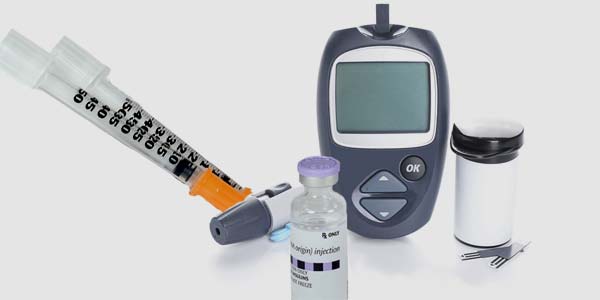
Living with diabetes involves more than monitoring blood glucose levels or taking medication. Depending on a person’s type of diabetes, treatment plan, and overall health, the condition may affect eating habits, physical activity, work, family life, finances, and emotional well-being.
For residents of Montgomery County, Alabama, managing diabetes may involve balancing medical care with everyday responsibilities. Establishing practical routines, following an individualized treatment plan, and knowing where to find appropriate support can help people manage the condition while maintaining their quality of life.
This article will discuss the potential effects of diabetes on people’s daily lives and provide some recommendations for those wishing to get an overview of the disease and find local support.
Article Index
- How Diabetes Can Affect Everyday Life
- Managing Blood Glucose During Daily Activities
- Food Choices and Physical Activity
- Diabetes, Emotional Well-Being, and Relationships
- Managing Diabetes at Work
- The Cost of Diabetes Care
- Diabetes Education and Healthcare Resources in Montgomery County
- Routine Checkups and Preventive Care
- Frequently Asked Questions
- Conclusion
- References
How Diabetes Can Affect Everyday Life
Diabetes affects how the body regulates blood glucose, also called blood sugar. Some people with diabetes experience fatigue or reduced energy, although symptoms vary and tiredness can have other causes. Diabetes develops when the body does not produce enough insulin or cannot use insulin effectively. The underlying process differs depending on the type of diabetes.
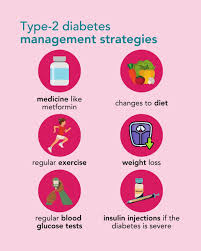
There are several ways to manage diabetes, including proper medication, frequent monitoring of blood glucose, a special diet, regular physical activity, and periodic checkups with a healthcare professional. All management options depend on the type of diabetes, the treatment plan, and each person’s unique needs.
For example, a person who uses insulin may need to monitor blood glucose and coordinate insulin doses with meals and physical activity according to their prescribed treatment plan.
Someone who does not use insulin may manage diabetes with other medications and may or may not need regular blood glucose monitoring. The specific approach depends on each person’s medical needs and healthcare professional’s recommendations.
Diabetes management may involve taking medication as prescribed, monitoring blood glucose when recommended, following an individualized eating plan, engaging in suitable physical activity, and attending regular healthcare appointments. The appropriate approach depends on the type of diabetes, treatment plan, overall health, and individual needs.
Common daily considerations
Depending on the treatment plan for diabetes, patients may have to do the following:
- Take medication as prescribed by their healthcare professional.
- Monitor blood glucose as recommended by their healthcare professional.
- Plan meals and understand how carbohydrate-containing foods can affect blood glucose levels.
- Recognize the signs of high or low blood glucose and understand how to respond, following their healthcare professional’s guidance.
- Carry necessary medication and monitoring supplies when away from home, as appropriate.
- Attend recommended healthcare appointments and screening tests.
- Seek guidance when they have difficulty managing diabetes.
The goal is to develop manageable routines that fit into everyday life. With an individualized care plan and appropriate support, people can work toward managing diabetes while continuing to participate in family life, employment, recreation, and other activities that matter to them.
Managing Blood Glucose During Daily Activities
Blood glucose management is an important part of a diabetes care plan, but the approach can vary depending on the person’s circumstances.
Some people use a blood glucose meter, which measures glucose in a small blood sample, usually obtained with a finger-prick. Others use a continuous glucose monitor (CGM), which has a sensor under the skin that estimates glucose levels in the fluid between cells. A CGM can provide readings and show changes in glucose levels throughout the day.
Not everyone has or needs the same type of monitoring, and it depends on certain conditions like one’s diabetes type, medication, treatment plan, and risk factors for hypoglycemia.
The A1C test estimates average blood glucose levels over approximately the previous two to three months. Unlike a blood glucose meter or CGM, it does not show a person’s glucose level at a specific moment. A1C results and daily glucose readings provide different, complementary information that healthcare professionals can use to assess diabetes management.
People should ask their healthcare professional:
- “How often should I check my blood glucose?”
- “What blood glucose range is appropriate for me?”
- “What should I do if my readings are frequently outside my target range?”
- “How can I recognize and treat low blood glucose?”
- “Would a continuous glucose monitor be appropriate for my treatment plan?”
For more information, read our guide to using a continuous glucose monitor to support blood sugar management.
Planning for work, errands, and social activities
Planning ahead can help people manage diabetes while working, running errands, travelling, or participating in social activities.
Depending on their treatment plan, people may need to carry medication and blood glucose monitoring supplies when away from home. Those at risk of low blood glucose may also need to carry a source of fast-acting carbohydrate, such as glucose tablets, in line with their healthcare professional’s advice. Planning ahead for travel, changes in meal times, physical activity, and busy days can help people maintain their usual diabetes care routines.
People who use insulin or medications that can cause low blood glucose should ask their healthcare professional how to prepare for changes in meal times, exercise, shift work, travel, or other daily commitments. They should follow their individualized treatment instructions and should not change medication doses or stop prescribed medication without guidance from their healthcare professional.
Food Choices and Physical Activity
Food and movement are important parts of diabetes management. However, there is no single eating pattern or exercise routine that is appropriate for everyone.
Developing a practical eating pattern
A balanced eating plan may include vegetables, fruits, whole grains, beans and lentils, nuts, and appropriate sources of protein. The types and amounts of food that best suit a person depend on their overall health, medication, food preferences, budget, and treatment goals.
People with diabetes do not necessarily need to eliminate the foods they enjoy. However, portion sizes, carbohydrate intake, meal timing, and food choices may need to be considered in relation to their medications, health, and treatment goals. A healthcare professional or registered dietitian can help them make practical adjustments that fit their needs and preferences.
For example, when eating away from home, a person may find it helpful to consider portion sizes and choose water instead of a sugar-sweetened drink when appropriate. Small, practical choices can help people follow an eating plan that suits their individual needs.
If you take insulin or medications that can cause your blood sugar to drop, speak with a healthcare professional about how your eating plan may need to be modified.
A registered dietitian or diabetes care and education specialist can help tailor an eating plan to a person’s medical needs, medication, budget, personal preferences, and cultural food traditions.
Finding a sustainable level of physical activity
Regular physical activity can help people with diabetes manage blood glucose, support heart health, maintain mobility, and improve overall well-being. Depending on their preferences and physical abilities, suitable activities may include walking, cycling, swimming, dancing, and other forms of movement.
The key is to choose activities that suit a person’s current fitness level and that they can maintain consistently. People who have been inactive can begin gradually and increase the duration or intensity of activity as their fitness improves.
People who use insulin or other medications that can cause low blood glucose should discuss exercise-related risks and precautions with their healthcare professional. Those with foot ulcers, reduced sensation, cardiovascular conditions, or other health concerns may also need individualized guidance before starting a new activity or substantially increasing their exercise level.
Patients with foot ulcers, decreased sensation or temperature perception, cardiovascular diseases, and other conditions should also consult a healthcare professional before attempting to change the existing level of physical activity.
Exercise does not have to be strenuous to be beneficial. Choosing activities that are enjoyable, appropriate for one’s health, and sustainable over time may make it easier to maintain a regular routine.
For more practical advice, read our guide to controlling blood sugar levels by walking.
Diabetes, Emotional Well-Being, and Relationships
Managing diabetes often involves regular decisions about meals, medication, blood glucose monitoring, and physical activity. Keeping up with these responsibilities can sometimes lead to frustration, stress, or exhaustion.
Diabetes distress describes the emotional strain and worries associated with managing diabetes. It is different from clinical depression, although the two can occur together. Some people also experience anxiety, sadness, or other emotional difficulties, and they may benefit from discussing these concerns with a healthcare professional.
Though it isn’t the same as depression, the two can run together, and many people with diabetes suffer from other issues including anxiety and sadness.
Looking after emotional well-being
Practical steps that may help include:
- Discuss diabetes-related stress with a healthcare professional.
- Set realistic goals rather than expecting perfect blood glucose readings every day.
- Seek mental health support when anxiety, sadness, or exhaustion persists.
- Stay connected with supportive friends, family members, or community groups.
- Break larger changes into smaller, manageable steps.
People should not feel that they have failed when managing diabetes becomes difficult. Treatment needs and personal circumstances can change over time, and asking a healthcare professional for guidance may help them find an approach that better fits their needs.
Supporting family and social life
Family members and friends may want to help someone manage diabetes, but they may not always understand what kind of support the person prefers. Open communication about meals, medication schedules, appointments, and possible emergencies can help everyone understand how to provide appropriate assistance.
For example, a person may appreciate reminders to pack medication or monitoring supplies before a vacation but prefer to make their own treatment decisions. Discussing these preferences in advance can help family members offer support without taking away the person’s independence.
People with diabetes can generally continue to attend holidays, meals, parties, and other social gatherings. Some occasions may require planning around food, medication, physical activity, or blood glucose monitoring, depending on the individual’s treatment plan.
The aim should be to provide useful support while respecting the person’s independence and choices. Family members should not assume what someone can or cannot do; instead, they should ask what assistance is wanted and respect the person’s decisions.
Managing Diabetes at Work
Managing diabetes at work may involve practical challenges, such as shift work, irregular meal times, physical demands, travel, or limited opportunities to monitor blood glucose or take medication when needed.
The challenges vary according to a person’s job responsibilities, working conditions, health, and diabetes management plan. Planning ahead and identifying possible barriers can help people decide what arrangements may be useful.
Practical steps for managing diabetes at work
Depending on their circumstances, people may find it useful to:
- Discuss medication and meal timing with their healthcare professional.
- Keep necessary medication and supplies accessible and stored appropriately.
- Understand how to recognize and respond to low blood glucose when relevant.
- Plan for breaks when their treatment requires them.
- Arrange medical appointments around work commitments when possible.
- Consider what information, if any, they wish to share with a supervisor or trusted colleague.
Some people may benefit from workplace adjustments that help them follow their diabetes management plan. The appropriate arrangements depend on the person’s health needs, job duties, workplace policies, and applicable laws.
People who repeatedly find it difficult to manage diabetes alongside their work responsibilities should discuss these challenges with their healthcare professional. Together, they can consider practical changes to the person’s routine or treatment plan, where appropriate.
A diabetes diagnosis does not automatically prevent someone from pursuing or maintaining a career. With appropriate healthcare, practical planning, and workplace support when needed, many people can continue working while managing their condition.
The Cost of Diabetes Care
The cost of managing diabetes can place a financial burden on some individuals and families. Depending on the treatment plan and insurance coverage, expenses may include medication, blood glucose monitoring supplies, healthcare appointments, laboratory tests, transportation, and nutrition counseling.
Costs vary considerably from one person to another. Factors such as the type of diabetes, prescribed treatment, insurance coverage, monitoring equipment, and eligibility for assistance programs can all affect how much a person pays. Reliable data would be needed to estimate typical monthly diabetes-related expenses specifically for residents of Montgomery County.
People with the same diagnosis may have significantly different expenditures on medical care.
What to do if diabetes care becomes difficult to afford
If expenses become difficult to manage, consider asking a healthcare professional, pharmacist, insurer, or community health resource about:
- Whether a lower-cost medication would be clinically appropriate.
- Which diabetes education or nutrition services are covered.
- Whether assistance programs are available for prescribed medication or monitoring supplies.
- Whether any healthcare facilities offer reduced fees or financial assistance for eligible patients.
- Whether appointments or prescription refills can be coordinated to reduce transportation or other costs.
People should not stop taking medication, change prescribed doses, or go without essential monitoring supplies because of financial difficulties without first seeking professional guidance. They should tell their healthcare professional about any costs that make treatment difficult to follow. The healthcare team or pharmacist may be able to discuss clinically appropriate alternatives or identify assistance resources.
Diabetes Education and Healthcare Resources in Montgomery County
Reliable health information and appropriate support can help people develop the knowledge and skills needed to manage diabetes. Residents of Montgomery County can begin by asking their healthcare professional about diabetes education, local healthcare services, and available support programs.
Patients from Montgomery County can start by consulting their healthcare professional about diabetes education, local healthcare services, and other available resources.
Alabama Department of Public Health
The Alabama Department of Public Health (ADPH) provides information about Diabetes Self-Management Education and Support (DSMES). These services help people develop practical diabetes management skills, make informed decisions, and work more effectively with their healthcare team.
The department’s official DSMES page links to the Alabama Chronic Disease Resource Directory, which helps people locate programs offering diabetes self-management education and support. Residents should check the directory and contact programs directly to confirm their current services and availability.
Before enrolling, people should check whether a program is available in or near Montgomery County, whether a referral is required, whether their insurance is accepted, what fees or eligibility requirements apply, and whether the program suits their type of diabetes and treatment needs.
Before enrolling, confirm:
- Whether a program is available in or near Montgomery County.
- Whether a referral is needed.
- Whether the program accepts the person’s insurance.
- Whether there are fees and eligibility requirements.
- Whether the services accommodate the person’s diabetes type and therapy.
The availability of a statewide directory does not guarantee that a particular class or service is currently available at a specific location.
Centers for Disease Control and Prevention
The Centers for Disease Control and Prevention (CDC) provides information about living with diabetes, including healthy eating, physical activity, medication, emotional well-being, and routine healthcare. Its Living with Diabetes guide includes practical suggestions for fitting diabetes management into everyday life.
This information can help readers prepare questions and learn more about diabetes care, but individual treatment decisions should be discussed with a qualified healthcare professional.
How to choose an appropriate local resource
Before arranging care or enrolling in a program, residents should contact the organization directly and ask:
- Does it provide the service I need?
- Is a referral required?
- Does it accept my insurance?
- Are reduced fees or financial assistance available for eligible patients?
- Are follow-up visits or diabetes education services included?
- How can I confirm appointment availability?
Checking these details in advance can help people confirm that a service meets their needs, is accessible to them, and is available under their insurance or payment arrangements.
Routine Checkups and Preventive Care
Regular healthcare appointments are an important part of diabetes management. How often a person needs checkups and which assessments are appropriate depend on their treatment plan, overall health, medical history, and previous results.
During appointments, healthcare professionals may review blood glucose readings and A1C results, blood pressure, cholesterol, medications, eating habits, physical activity, and emotional well-being. Depending on the person’s needs, they may also recommend kidney tests, eye examinations, foot assessments, and other preventive screenings.
The appropriate schedule varies from person to person. People should ask their healthcare professional which tests and examinations they need and how often they should have them. For further guidance, readers can consult the CDC’s diabetes care schedule, while following the recommendations given for their own circumstances.
Keeping a record of appointments, medication, glucose readings, and test results can help people discuss concerns with their healthcare team and determine whether any changes to their treatment plan are needed.
Frequently Asked Questions:
How does diabetes impact the daily life of a person living in Montgomery County, Alabama?
Diabetes may affect meal planning, medication routines, blood glucose monitoring, physical activity, work, relationships, emotional well-being, and healthcare expenses. The extent of its impact varies according to each person’s health, treatment plan, support network, and access to healthcare.
Do Montgomery County residents with diabetes have to stop working or socializing?
No. Many people with diabetes continue to work, travel, exercise, and socialize. Some may need to adjust their routines or plan around meals, medication, physical activity, and blood glucose monitoring. Individual concerns about work or other activities should be discussed with a healthcare professional.
How does diabetes impact the lives of the people close to the person living with diabetes?
Diabetes may affect family routines because managing the condition can involve meal planning, medication schedules, appointments, and other daily responsibilities. Family members and friends can offer helpful support by asking what the person needs and respecting their preferences and independence.
What do Montgomery County residents do when they cannot afford diabetes medication or supplies?
People who are struggling to afford diabetes medication or monitoring supplies should contact their healthcare professional, pharmacist, or insurer to discuss clinically appropriate lower-cost options and possible assistance programs. They can also ask healthcare providers about financial assistance or local resources. People should not stop taking medication or change prescribed doses without professional guidance.
Where can Montgomery County residents get diabetes education?
The Alabama Department of Public Health provides information about Diabetes Self-Management Education and Support (DSMES) programs. Residents can consult the department’s official diabetes education page and ask their healthcare professional about appropriate local options. Program availability, eligibility, referral requirements, and costs should be confirmed directly.
Can lifestyle changes alone cure diabetes?
Lifestyle changes can help many people with type 2 diabetes improve their blood glucose management. Some people may achieve remission, but remission does not mean the condition has been permanently cured, and ongoing medical monitoring remains important. Type 1 diabetes requires insulin treatment. People should not stop medication or change their diabetes management plan without guidance from their healthcare professional.
Does stress impact diabetes?
Stress can make diabetes management more difficult and may affect a person’s routines, emotional well-being, and ability to follow their treatment plan. People experiencing persistent stress, anxiety, sadness, or diabetes-related distress should consider discussing these concerns with a healthcare professional.
Conclusion
A diabetes diagnosis can affect several areas of daily life, including eating, physical activity, work, family responsibilities, finances, and emotional well-being. However, the challenges differ from person to person, so there is no single management approach that works for everyone.
For residents of Montgomery County, Alabama, a useful starting point is to discuss their individual care needs with a qualified healthcare professional and seek support if financial pressures, work schedules, or other barriers make diabetes management difficult.
The Alabama Department of Public Health provides information about diabetes self-management education and support programs, while the CDC offers practical guidance on living with diabetes. These resources can help people learn more about daily care and identify questions to discuss with their healthcare team.
With individualized treatment, reliable information, and appropriate support, many people with diabetes can continue participating in the everyday activities that matter to them.
References and Further Reading
Centers for Disease Control and Prevention (CDC). Living with Diabetes. Practical guidance on diabetes management, healthy eating, physical activity, emotional well-being, and daily routines.
Centers for Disease Control and Prevention (CDC). Manage Blood Sugar. Information about blood glucose monitoring, glucose targets, hypoglycemia, and everyday blood sugar management.
Centers for Disease Control and Prevention (CDC). A1C Test for Diabetes and Prediabetes. Explains what the A1C test measures and how it is used in diabetes care.
Centers for Disease Control and Prevention (CDC). Your Diabetes Care Schedule. Guidance on routine checkups, recommended assessments, and ongoing diabetes care.
National Institute of Diabetes and Digestive and Kidney Diseases (NIDDK). Continuous Glucose Monitoring. Explains how continuous glucose monitors work and how they help track glucose levels.
Alabama Department of Public Health (ADPH). Diabetes Self-Management Education and Support. Information about diabetes education and support programs in Alabama.
Centers for Disease Control and Prevention (CDC). PLACES: Local Data for Better Health — County Data, 2025 Release. County-level estimates of health conditions and related indicators, useful for readers seeking local public health data.
Further Reading on This Website
The sources above are provided for educational purposes. Readers should consult qualified healthcare professionals for advice specific to their health and treatment needs.
Medical Disclaimer
For complete details, please read our Medical Disclaimer & Health Information Policy.
Why Trust BestDietarySupplementForDiabetics.com?
Learn more about our stated editorial standards and approach to health information on our Why Trust BestDietarySupplementForDiabetics.com? page.

admin
All Posts