
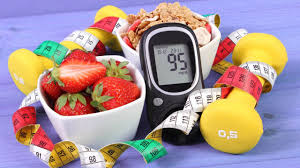
Managing diabetes involves more than checking your blood sugar from time to time. Depending on your type of diabetes and treatment plan, it may include monitoring blood glucose, taking prescribed medications, following a healthy eating pattern, staying physically active, managing weight when appropriate, getting enough sleep, and keeping regular medical appointments.
For people living in Brownsville and elsewhere in Cameron County, the basic principles of diabetes management are the same as those recommended throughout the United States. However, factors such as work schedules, food access, transportation, weather, healthcare access, and daily routines can affect how easily someone can follow a diabetes care plan.
There is also no single diabetes-management plan that works for everyone. Your treatment may depend on the type of diabetes you have, your medications, blood glucose and A1C targets, other health conditions, age, lifestyle, and personal goals.
This guide explains practical, evidence-based ways to manage diabetes and highlights healthcare and public-health resources available to people in Brownsville and Cameron County.
Important: The information in this article is for educational purposes only and is not a substitute for individual medical advice, diagnosis, or treatment. Information contained in this article should not be used to adjust or discontinue diabetes medication.
This guide does not provide individualized blood glucose targets, medication doses, or a personal diabetes treatment plan. Those decisions should be made with your healthcare professional.
Quick Answer: How Can You Manage Diabetes in Brownsville?
Diabetes management typically includes:
- Monitoring blood glucose as recommended by your healthcare professional
- Taking diabetes medicines as prescribed
- Eating healthy
- Being physically active
- Managing weight when appropriate
- Monitoring blood pressure and cholesterol
- Getting enough sleep and managing stress
- Having regular diabetic check-ups
- Eye, kidney, foot, and heart care, if needed
Learning diabetes self-management skills in a diabetes self-management education and support program
Residents of Brownsville or Cameron County also may be able to take advantage of public-health and health-care resources that can help you learn about diabetes, get screening and check-ups, eat healthy, and manage your condition.
Who This Guide Is For
This guide is intended primarily for adults living with diabetes in Brownsville and Cameron County, including people with type 1 or type 2 diabetes who want practical information about daily diabetes management.
It may also be useful for family members and caregivers who help someone manage diabetes.
People who are pregnant or have gestational diabetes should follow the treatment plan provided by their pregnancy care team, as diabetes management during pregnancy requires specialized care.
What Does Diabetes Management Actually Involve?
Type 1 diabetes requires insulin because the body does not produce enough insulin. Treatment may also involve blood glucose monitoring, nutrition, physical activity, and diabetes technology such as continuous glucose monitoring or insulin pumps.
Type 2 diabetes may be managed with lifestyle changes, oral medications, injectable medications, insulin, or a combination of these approaches.
Gestational diabetes requires its own treatment approach during pregnancy and should be managed with guidance from the pregnancy care team.
Your healthcare team may consider:
- Your type of diabetes
- Your blood glucose and A1C results
- Your current medicines
- Your blood pressure and cholesterol
- Your kidney function
- Your weight and nutritional needs
- Your physical activity level
- Other medical conditions
- Your ability to follow the treatment plan
- Your personal goals and preferences
Blood glucose and A1C targets are individualized. A target that is appropriate for one person may not be appropriate for another, so follow the goals established with your healthcare team.
Monitor Your Blood Glucose as Recommended
Blood glucose monitoring helps you and your healthcare team understand how food, physical activity, medicines, illness, stress, and other factors affect your blood glucose.
Some people check their glucose using a blood glucose meter. Others use a continuous glucose monitor. Not everyone who has diabetes needs to check their blood glucose the same way or at the same frequency.
Your healthcare professional can help determine:
- whether and how often you need to check your blood glucose at home
- which method is best
- when to check
- what your blood glucose targets should be
- what to do if your blood glucose is often too high or too low.
Keeping track of your readings can also help you and your healthcare team. You might want to write down your blood glucose number, the date and time of the reading, meals, physical activity, and any other information your healthcare team recommends.
A pattern of blood glucose numbers may be more helpful than a single reading. If your blood glucose is often too low or too high, call your healthcare team to discuss adjustments to your diabetes care plan, rather than making changes to your own medicine.
Blood Glucose Monitoring in Hot Weather
Brownsville and the Rio Grande Valley can experience very hot weather, so people with diabetes should pay attention to hydration and heat safety, particularly during outdoor activity.
Drink water regularly and avoid becoming dehydrated. If you exercise outdoors, consider choosing a cooler time of day or moving your activity indoors during periods of extreme heat.
If you use insulin or other medications that can cause low blood glucose, ask your healthcare team how heat, exercise, meals, and medication timing may affect your blood glucose.
If you experience unusually high or low blood glucose readings, repeated vomiting, confusion, trouble breathing, fainting, or other concerning symptoms, seek medical advice promptly. Severe symptoms may require emergency care.
Take Diabetes Medicines Exactly as Prescribed
Medication plays an important role in the management of diabetes for many people.
Depending on the type of diabetes and other factors, treatment may include insulin or other prescription medications.
Follow the instructions of your doctor, nurse practitioner, physician assistant, or pharmacist regarding the use of your medications for the management of diabetes.
Do not stop, restart, or change the dose of a diabetes medication on your own. Follow the treatment plan provided by your healthcare professional and ask for guidance if your glucose readings change or you experience side effects.
Call your healthcare professional if you:
- forget doses
- have side effects
- have questions about paying for medication
- need advice or help with when or how to take a medicine
- start a new prescription or over-the-counter medication
- start taking a dietary supplement
- are pregnant or think you may become pregnant or plan a pregnancy
- have frequent high or low blood glucose
It is important to speak with your healthcare professional about vitamins, herbal products, and dietary supplements because some may interact with medications or impact blood glucose.
Build a Sustainable Eating Pattern
There is no one diet for people who have diabetes.
A healthy eating plan includes a variety of foods such as fruits and vegetables, whole grains, and other nutrient-rich foods, while limiting added sugar, saturated fat, sodium, and highly processed foods.
Tips for a healthy eating plan include:
- Eating more nonstarchy vegetables
- Choosing high-fiber carbohydrate foods more often
- Including an appropriate amount of protein-rich foods at meals
- Selecting water or other low- or no-added-sugar drinks
- Being aware of portion size
- Limiting sugary drinks
- Minimizing heavily processed foods when possible
- Choosing healthier fats, and
- Eating in a way that can be sustained over time
People with diabetes do not have to give up the foods they enjoy as part of a healthy eating plan.
For example, traditional Mexican or South Texas foods can be part of a healthy eating plan for people with diabetes, though the portions may need to be adjusted, or the food may need to be prepared differently or less often.
People who have diabetes should pay close attention to the amount of carbohydrates they eat and when they eat them, because your body breaks down carbohydrates into glucose, but the right amount and timing of those carbohydrates will depend on your treatment plan.
Some people find it helpful to count carbohydrates, while others find it helpful to use the plate method or another meal-planning tool.
If you’re unsure how to adjust your typical eating pattern for people with diabetes, you can work with a registered dietitian or diabetes care and education specialist to build an individualized nutrition plan.
What About Sugary Drinks?
Sugar-sweetened beverages can provide a significant amount of added sugars and calories while offering little nutritional value.
Water is a good choice for a daily beverage. Unsweetened tea or coffee can also fit into a healthy eating pattern, depending on what is added to the drink.
Switching from regular soda, sweet tea, flavored coffee, or other sugar-sweetened beverages to those with less sugar could be a wise decision for your health.
Stay Physically Active
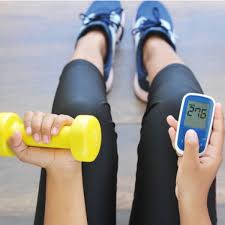
Regular physical activity can help control blood glucose, blood pressure, cholesterol, weight, heart health, mood, and sleep in people with diabetes.
Most adults with diabetes should aim for at least 150 minutes of moderate-intensity physical activity each week, along with muscle-strengthening activities as appropriate.
You do not have to complete all of the activity at once. Shorter periods of activity can be added throughout the day.
Depending on a person’s health and fitness needs, exercises may consist of:
- Walking around the neighborhood
- Walking at a local park
- Biking
- Swimming
- Dancing
- Chores
- Gardening
- Resistance-band workout
- Body-weight exercises
- Or any other physical activity they may enjoy
If you’re not used to being physically active, you may want to start slow instead of working towards a huge goal.
Break Up Long Periods of Sitting
If you’re sitting for a long time, such as at a desk job, driving in a car, or during other work, try to remember to stand and move around when possible.
For instance, you could:
- Take short walking breaks
- Walk while talking on the phone when practical
- Stand during some tasks
- Use stairs when appropriate
- Take a short walk after a meal if your healthcare team considers it safe
Getting some extra movement throughout the day helps keep inactive days from being completely inactive.
Exercise and Low Blood Glucose
Physical activity can lower blood glucose. People who use insulin or certain diabetes medications, such as sulfonylureas, may be at greater risk of hypoglycemia during or after exercise.
Seek advice from your medical practitioner on ways to engage in physical activity safely and whether glucose monitoring is indicated during activity if you are taking insulin or medications that may induce hypoglycemia.
Manage Weight When Appropriate
Weight management can be an important aspect of treatment for patients with type 2 diabetes who are diagnosed with overweight or obesity.
However, if you are underweight, pregnant, an older adult, or have other health conditions, talk with a healthcare professional about whether weight loss is appropriate for you.
If weight loss is applicable to your case, extreme measures and crash programs should be avoided.
A healthcare professional would advise you depending on your particular situation whether weight loss should be considered and in what manner it should be introduced into your daily life.
For some adults with overweight or obesity, losing 5% to 7% of current body weight may help improve blood glucose, blood pressure, and cholesterol levels.
Pay Attention to Blood Pressure and Cholesterol
Although blood glucose is the main concern of diabetes,
high blood pressure and high cholesterol levels can also contribute to the risk of cardiovascular disease.
Diabetes is associated with an increased risk of heart disease and stroke.
This is why diabetes care often includes attention to the “ABCs”:
- A — A1C: The A1C test reflects average blood glucose over approximately the previous three months. Your healthcare team can help determine your appropriate A1C target.
- B — Blood pressure: Keeping blood pressure within your recommended range can help reduce cardiovascular and other diabetes-related risks.
- C — Cholesterol: Managing cholesterol is an important part of reducing cardiovascular risk.
- S — Smoking: If you smoke, quitting can reduce cardiovascular and other health risks.
Your individual targets may differ from those of another person with diabetes. Your healthcare team can determine which targets are appropriate for you.
Get Enough Sleep and Manage Ongoing Stress
Sleep and stress are important parts of diabetes self-management but are sometimes overlooked.
Lack of sleep, stress, and the challenges of managing a chronic disease can interfere with eating well, exercising, taking medications, and following other parts of a diabetes care plan.
Most adults should aim for about 7 to 8 hours of sleep each night.
Most adults should aim for about 7 to 8 hours of sleep each night, although individual sleep needs can vary.
Some ways to promote better sleep are as follows:
- maintain a regular sleeping schedule
- limit screen time before bed
- create a sleep-friendly environment
- engage in physical activity
- practice relaxation techniques
- talk to a friend or trusted adult, and
- seek professional help for mental health issues such as depression, anxiety, or stress.
If any of these issues significantly impact your life, then it is best to talk to a mental health professional.
Although it may not be possible to remove all causes of stress in your life, it is often possible to adopt more healthy routines that make it easier to care for yourself and your diabetes.
Keep Regular Diabetes Appointments
Regular medical care can help your healthcare team see how well your treatment plan for diabetes is working. They can also help decide if changes need to be made.
Depending on your situation, your appointments may include checking:
- A1C
- Blood glucose readings or CGM
- Blood pressure
- Cholesterol
- Kidney function
- Medications
- Weight and diet
- Exercise
- Foot care
- Eye health
- Other diabetes concerns
The right schedule for you will depend on your individual situation.
People who have diabetes should also follow their healthcare team’s advice for screening and checking for other health issues.
Diabetes care is not just about acting when blood glucose is high. It’s about keeping an eye on things and making changes ahead of time.
Consider Diabetes Self-Management Education and Support
Diabetes Self-Management Education and Support, also known as DSMES, can help you get the most out of your life with diabetes.
DSMES is particularly useful when you are newly diagnosed, starting a new treatment, having difficulty meeting your diabetes goals, or experiencing major changes in your health or daily routine.
Ask your healthcare professional whether a DSMES program is available in your area and whether you are eligible for it.
A DSMES program can help you learn about:
- Eating healthy
- Being physically active
- Taking medicine
- Testing your blood glucose
- Solving problems
- Preventing and managing complications
- Managing your diabetes
- Getting the most out of your diabetes care team
These services are beneficial to you if you are newly diagnosed, have changed your diabetes treatment plan, are having trouble managing your diabetes, or just need extra help and support.
Talk to your health care professional about diabetes self-management education and support programs.
Diabetes Resources in Brownsville and Cameron County
Local resources can be helpful in managing diabetes.
Cameron County Public Health also provides information about county health clinics and other public-health services that may be useful to residents seeking diabetes-related care and support.
The county’s diabetes resources also list a registered dietitian and give information on county health clinics.
For Brownsville and Cameron County residents, this can be a good place to start if you are looking for information on local diabetes resources.
However, keep in mind that specific programs, appointments, eligibility requirements, and services at clinics can change. It’s best to contact the organization for more information.
How Diabetes Management Fits Into Daily Life in Brownsville
Controlling diabetes is not only done when seeing a medical professional.
The majority of management occurs outside of these visits, during every day tasks like: eating, working, exercising, taking medication, sleeping, shopping for groceries, and more.
Because of this, it is important that your diabetes care plan fits your lifestyle as much as possible.
For instance, if your job does not allow for frequent eating throughout the day, you should talk to your doctor about when to best time meals and snacks.
If the weather is too hot for you to go outside and exercise, perhaps try working out inside or at a different time of the day.
In the case that you are having financial difficulties with the cost of medication, seek help from a pharmacist or medical professional rather than going without.
Lastly, if you have trouble understanding your glucose measurements, inquire about receiving diabetes education resources.
If you want to understand more about the broader impact of diabetes on people living in the area, see our guide on how diabetes can affect daily life in Brownsville and Cameron County.
And if you want to understand the broader local factors associated with diabetes, see our article on why diabetes is increasing in Brownsville and Cameron County.
A Simple Daily Diabetes Management Checklist
Although personal plans for managing diabetes should be developed in collaboration with your health care team, the following checklist can help you stay on track:
Every Day
- Take medicines as prescribed.
- Check blood glucose if your health care team recommends it.
- Follow your eating plan.
- Drink water regularly and follow any fluid recommendations from your healthcare team.
- Get regular physical activity.
- Watch for symptoms of high or low blood glucose.
- Check your feet if your health care team recommends it.
- Get enough sleep.
Regularly
- Keep diabetes appointments and have an A1C test done as recommended.
- Review your blood pressure and cholesterol levels.
- Review your medicines.
- Talk to your health care team about your blood glucose.
- Follow recommended eye, kidney, foot, and cardiovascular disease screening and treatment schedules.
- Ask about the Diabetes Self-Management Education and Support program if you need additional help.
When Should You Contact a Healthcare Professional?
Do not wait for a routine medical appointment if you feel that you need to talk to someone about your diabetes.
Call your health care team if:
- your blood glucose is often too high or too low,
- you are having frequent episodes of low blood glucose,
- you have frequent episodes of high blood glucose
- new, unusual, or concerning symptoms,
- you are having side effects from your medicines,
- you aren’t taking your medicines as directed,
- you aren’t being active enough, or eating well enough according to your meal plan
- you don’t know what to do if your blood glucose is too high or too low.
Having blood glucose that is too high or too low can sometimes be an emergency. If you have shaking, confusion, loss of consciousness, trouble breathing, or other unusual symptoms, get emergency medical help right away.
If you have type 1 diabetes, ask your healthcare team whether you should monitor ketones and make sure you know the warning signs of diabetic ketoacidosis (DKA). DKA is a medical emergency.
Frequently Asked Questions:
How can I manage type 2 diabetes in Brownsville?
Lifestyle changes such as healthy eating, regular physical activity, adequate sleep and weight management when appropriate can be important parts of type 2 diabetes care. Many people also need prescription medication. “Natural” does not mean that medication is unnecessary or that a treatment is automatically safe.
What is a diabetes-friendly diet?
There is no one best diet for people with diabetes.
Focus on a balanced eating pattern that includes nonstarchy vegetables, high-fiber carbohydrate foods, protein-rich foods, healthy fats, and drinks with little or no added sugar. The amount and distribution of carbohydrates should fit your individual treatment plan.
It is possible to enjoy a diabetes-friendly diet while still eating some of your favorite foods. A dietitian or diabetes care and education specialist can help design an appropriate eating plan that considers your preferences, culture, budget, and access to food.
How much physical activity do I need to manage diabetes?
As a general rule, most adults need at least 150 minutes of moderate-intensity exercise weekly.
In addition, it is recommended that people with diabetes engage in muscle-strengthening activities.
However, people who are not accustomed to exercising, have complications, take insulin, or have diabetes medicines that may cause hypoglycemia should speak with their healthcare provider about how to adjust their drug therapy.
Should I monitor my blood sugar level regularly?
Yes. Some people with diabetes may need to check their blood sugar frequently, while others may only need to do so occasionally.
For instance, a person may need to test their blood sugar levels using a meter or a CGM. It is important to speak with your healthcare provider to understand how to monitor your blood sugar.
Can I stop taking my diabetes medications if I improve my lifestyle?
It is important to speak with your healthcare provider about whether or not you should continue taking your diabetes medications.
Although a healthy diet and lifestyle may help you manage your diabetes, the choice to stop or reduce medications should be determined by the healthcare professional handling your diabetes.
Are there any supplements that can assist with diabetes management?
Dietary supplements should not be used as a replacement for prescribed diabetes treatment. Evidence for supplements varies considerably, and some supplements can interact with medications or affect blood glucose.
If you take or are considering a dietary supplement, discuss it with your doctor or pharmacist before starting it.
Where can Brownsville residents get more information about diabetes?
Cameron County Public Health gives information on diabetes and social services in the county.
Additionally, it may be necessary to speak with a healthcare provider about diabetes education programs, registered dietitian nutritionist services, diabetes self-management training, and other resources.
Can diabetes be managed effectively by making lifestyle changes?
It is important to note that diabetes is a chronic disease and that no two people will have the same treatment plan.
Making certain lifestyle changes to control blood sugar level is frequently an essential component of managing type 2 diabetes.
Some people with type 2 diabetes may achieve their individual glucose goals with lifestyle changes alone for a period of time, while others need oral medications, injectable medications, insulin, or other therapies. Treatment needs can also change over time.
Bottom Line
Managing diabetes in Brownsville, Cameron County, starts with the same evidence-based principles used throughout the United States: monitor blood glucose when recommended, take medications as prescribed, follow a sustainable eating pattern, stay physically active, manage weight when appropriate, pay attention to blood pressure and cholesterol, get enough sleep, and keep regular medical appointments.
The right plan is different for each person. Your type of diabetes, medications, blood glucose targets, other health conditions, work schedule, food access, and daily routine all matter.
Residents of Brownsville and Cameron County also have access to local public-health and healthcare resources that may help with diabetes education, nutrition, preventive care, and access to services.
Most importantly, don’t change or stop diabetes medication on your own. Work with your healthcare team to develop a diabetes-management plan that is safe, practical, and sustainable for you.
References:
- NIDDK — Managing Diabetes
- NIDDK — Healthy Living with Diabetes
- NIDDK — Type 2 Diabetes
- CDC — Your Diabetes Care Schedule
- Cameron County Public Health — Diabetes
- Cameron County Public Health — Public Health Services
Medical Disclaimer | Why Trust Us
(Last updated: September 2026)

admin
All Posts