
Victoza, the brand name for the medication liraglutide, has gained considerable attention in recent years for its role in managing type 2 diabetes and promoting weight loss.
But is Victoza really the breakthrough treatment it’s claimed to be, or are there hidden risks that users should be aware of?
Given the chronic nature of diabetes, which affects millions worldwide, it’s crucial to determine whether Victoza is genuinely effective or carries significant downsides.
In this article, bestdietarysupplementfordiabetics.com will explore how Victoza works, its role in weight loss, potential side effects, and how it works alongside insulin.
I will also delve into its application for weight loss in individuals without diabetes and assess whether the cost is worth it.
All this backed by scientific evidence to answer whether Victoza is truly a game-changer or a risky gamble.
Article Index:
- How Victoza Works: The GLP-1 Agonist
- Victoza for Weight Loss
- Victoza for Weight Loss Without Diabetes
- Victoza Side Effects
- Insulin and Victoza: A Winning Combination?
- Uses for Victoza
- Victoza Injection Price: Is It Worth It?
- FAQs on Victoza for Controlling Blood Sugar Levels
- Conclusion: Is Victoza Really a Game-Changer for Diabetes or Just Another Risky Gamble?
How Victoza Works: The GLP-1 Agonist
Victoza belongs to a class of medications known as GLP-1 receptor agonists. GLP-1 (glucagon-like peptide-1) is a hormone that plays a role in blood sugar regulation by enhancing insulin secretion, suppressing glucagon release, and slowing gastric emptying.
The effect is improved blood sugar control without the drastic drops in glucose levels that insulin alone might cause.
Research shows that GLP-1 agonists like Victoza can lower HbA1c levels by around 1.0% to 1.5%, a significant decrease for many people with type 2 diabetes.
According to the American Diabetes Association, GLP-1 receptor agonists are often recommended as second-line treatments after metformin, particularly for patients who are overweight or have cardiovascular risks.
Victoza for Weight Loss
One of the standout uses for Victoza is its ability to promote weight loss. Clinical trials have shown that people using Victoza for weight loss can lose between 5-10% of their body weight over a few months, which is significant for those struggling with obesity, especially when combined with diabetes.
The weight loss benefits of Victoza are linked to its ability to reduce appetite and slow down the digestion of food.
However, it is important to remember that while effective, Victoza is not primarily a weight-loss drug—it is first and foremost designed for diabetes management.
Still, its dual role has made it attractive to many patients who are overweight or obese, with the added benefit of improving metabolic markers beyond blood glucose levels.
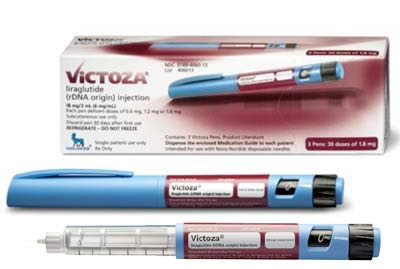
Victoza for Weight Loss Without Diabetes
A growing number of individuals without diabetes are turning to Victoza for weight loss without diabetes. The FDA has approved a higher dose of liraglutide (under the name Saxenda) for weight management, but off-label use of Victoza itself has risen.
While this can be effective, it is important to consult a healthcare professional before considering this route, as Victoza was primarily designed for people with diabetes.
Though studies show weight loss benefits even in non-diabetic individuals, potential users should be aware of the risks and side effects, which can be more prominent in those without a medical reason for using the drug.
Victoza Side Effects
Like most medications, Victoza side effects are important to consider, especially when evaluating its safety for long-term use.
Common side effects include nausea, diarrhea, and vomiting, which are often temporary but can be bothersome. In rare cases, Victoza can cause more serious side effects such as pancreatitis, kidney problems, and gallbladder disease.
One particular concern that has emerged is the potential risk of thyroid tumors, including medullary thyroid carcinoma (MTC).
Although this side effect is considered rare, it has led to a black box warning from the FDA. Patients with a family history of thyroid cancer are often advised to avoid using Victoza.
Insulin and Victoza: A Winning Combination?
While Victoza is not insulin, it’s often used alongside insulin to help improve glycemic control. Many people ask, “Is Victoza insulin?” and the answer is no—Victoza is liraglutide, a GLP-1 receptor agonist.
However, it complements insulin therapy by working in a different way to help the body manage blood sugar levels.
For people with advanced diabetes who may already be using insulin, adding Victoza to the treatment plan can reduce the total amount of insulin needed while helping to stabilize blood sugar levels. Alternatively, you may do so via herbs that lower blood sugar fast.
Combining insulin and Victoza offers the dual benefit of controlling post-meal glucose spikes and reducing the risk of hypoglycemia, which is a common concern with insulin.
Uses for Victoza
The uses for Victoza go beyond just lowering blood sugar. For people with type 2 diabetes, Victoza has demonstrated cardiovascular benefits.
Clinical trials such as the LEADER trial showed that Victoza can significantly reduce the risk of major adverse cardiovascular events, such as heart attack and stroke, in people with type 2 diabetes.
Additionally, Victoza’s ability to help with weight loss offers metabolic benefits, improving cholesterol levels and reducing blood pressure in some patients.
As a result, it is often prescribed to people who need help managing both diabetes and weight-related issues.
Victoza Injection Price: Is It Worth It?
The Victoza injection price is a point of contention for many. With prices in the U.S. averaging around $1,000 per month for people without insurance coverage, it is significantly more expensive than many other diabetes medications.
While the benefits of Victoza, such as improved blood sugar control and weight loss, are undeniable, the cost may be prohibitive for some.
For those with health insurance, the out-of-pocket cost is often reduced, but it is still important to check with your provider.
As the price is high, some people question whether the benefits are worth the financial strain, especially when other diabetes treatments are available at a lower cost.
FAQs on Victoza for Controlling Blood Sugar Levels
Q-1: What is Victoza for type 2 diabetes?
By stimulating insulin release when glucose levels are high and reducing glucagon secretion, Victoza helps lower blood sugar effectively. Studies show it can reduce on average, making it a reliable option alongside diet and exercise.
Q-2: How does Victoza work for diabetes?
A-2: Victoza works by enhancing insulin secretion in response to high blood sugar and slowing down gastric emptying, which helps control post-meal glucose spikes. It also suppresses appetite, which can help with weight management. Clinical trials report that about 60–70% of patients achieve their target HbA1c within 26 weeks of therapy.
Q-3: What is the recommended Victoza dosage for diabetes?
A-3: The usual starting dose is 0.6 mg daily, primarily to reduce gastrointestinal side effects. After one week, it’s increased to 1.2 mg daily. If further blood sugar control is needed, the dose can go up to 1.8 mg daily. Doses are administered via a prefilled injection pen under the skin, usually in the abdomen, thigh, or upper arm.
Q-4: Can Victoza injections help with blood sugar control?
A-4: Absolutely! Victoza injections effectively reduce fasting and postprandial glucose levels. Research indicates patients on Victoza achieve an average fasting blood glucose reduction of 20–40 mg/dL. Consistent use with lifestyle changes can significantly reduce diabetes-related complications.
Q-5: How does Victoza compare to Ozempic for diabetes?
A-5: Both Victoza (liraglutide) and Ozempic (semaglutide) are GLP-1 drugs. Victoza is daily, while Ozempic is weekly. Ozempic tends to produce slightly more weight loss and HbA1c reduction, but Victoza is well-established, has extensive safety data, and may be preferred for patients who benefit from daily dosing flexibility.
Q-6: What are the side effects of Victoza for diabetes treatment?
A-6: Common side effects include nausea, vomiting, diarrhea, and mild stomach discomfort, which usually improve over time. Rare but serious risks include pancreatitis and kidney problems. Clinical trials show less than 5% discontinue Victoza due to side effects.
Q-7: Is liraglutide (Victoza) effective for type 2 diabetes?
A-7: Yes! Clinical evidence shows that Victoza reduces HbA1c by 1–1.5%, lowers fasting glucose, and supports weight loss. Long-term studies also indicate a reduced risk of cardiovascular events in patients with type 2 diabetes and heart disease.
Q-8: Is Victoza good for diabetes management?
A-8: Victoza is highly effective for blood sugar control and weight management. Its once-daily injection helps maintain steady glucose levels, making it a convenient choice for many patients, especially those needing dual benefits of glucose lowering and weight reduction.
Q-9: How much does Victoza cost for diabetes medication?
A-9: The average retail cost of Victoza in the U.S. is about $800–$1000 per month, though insurance coverage and manufacturer discounts can significantly lower this. Many patients access savings programs to make it more affordable.
Q-10: Can Victoza help with weight loss and diabetes?
A-10: Yes, Victoza often leads to weight loss of 4–6 pounds on average in six months. This weight reduction helps improve insulin sensitivity, supporting better glucose control and overall diabetes management.
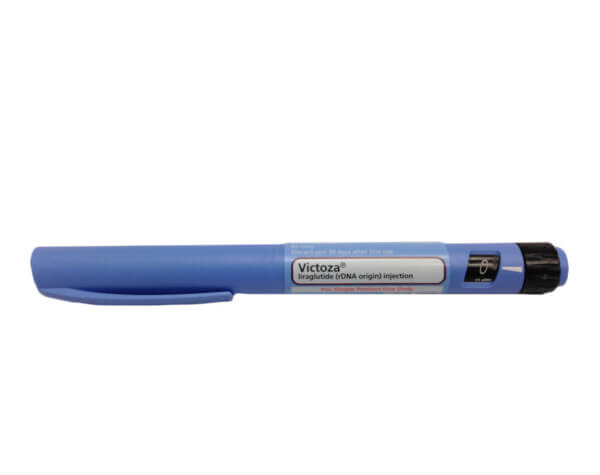
Is Victoza Really a Game-Changer for Diabetes or Just Another Risky Gamble?
So, is Victoza really a game-changer for diabetes? Based on the evidence, Victoza offers significant benefits in managing blood sugar levels, promoting weight loss, and even reducing cardiovascular risks for people with type 2 diabetes.
For these reasons, it has been called a game-changer by many in the medical community.
However, it is not without risks. The high cost, potential side effects like thyroid tumors common in Alstrom Syndrome, and gastrointestinal discomforts are all factors that should be carefully considered.
For those without diabetes seeking Victoza for weight loss, it may not be worth the gamble given the availability of other weight management strategies.
In conclusion, Victoza can be an incredibly powerful tool for managing diabetes when used correctly and under medical supervision.
However, as with any medication, it is essential to weigh the benefits and risks carefully. Consulting with a healthcare professional is crucial to ensure Victoza is the right choice for your specific health needs.
References:

admin
All Posts