
The burning query, “Are GLP-1 Injections the Miracle Cure for Diabetes or Just another Hype” is not at all an easy one to answer.
There have been conflicting claims regarding the benefits and effects that this new treatment commonly known as the “miracle cure” has on diabetics.
In this article, we would be discussing if this new treatment, GLP-1 injections, are truly effective as stated.
We would be starting off by understanding this form of treatment before revealing its true nature and effect.
So, let’s get started!
Article Index
1) What are GLP-1 Injections?
2) What is the Main Purpose of Injecting Yourself with GLP-1?
3) How Effective are GLP-1 Injections in Treating Diabetes?
- Scientific Evidence of Effectiveness
- Real-World Examples
- Safety and Tolerability
- The Bottom Line
4) Pros and Cons of Using GLP-1 Injections
5) FAQs on GLP-1 Injections to Treat Diabetes
6) Final Verdict
What are GLP-1 Injections?
GLP-1 injections may sound like something out of a science fiction novel, but they are indeed a remarkable creation of humankind.
More specifically, GLP-1 (glucagon-like peptide-1) is a hormone naturally produced in the human body.
This hormone is formed in the gastrointestinal tract, where it helps to regulate certain bodily functions.
Notably, due to its unique structure, the GLP-1 injection is a recent addition to the list of hormones artificially created by scientists.
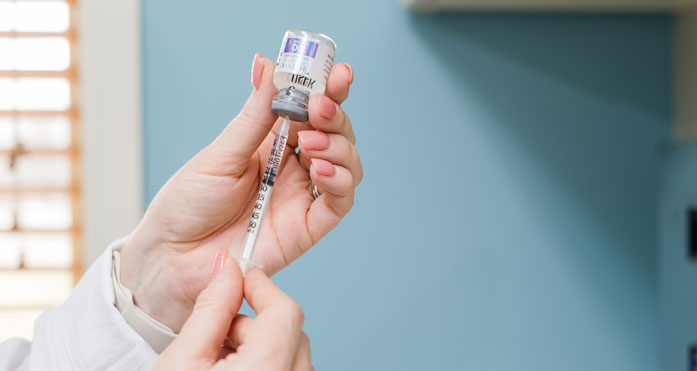
The injection is administered conveniently through a prefilled pen device, which allows the patient to perform the procedure comfortably and safely.
It works by binding to the hormone’s receptors, thereby stimulating its function in the body.
The injection process is quick and minimally invasive since the needles are thin and cause no discomfort to the patient.
Thus, in summary, the GLP-1 injection is a convenient and effective way to boost the body’s hormone levels. It is a brilliant invention because it is easy to use and causes almost no pain. This way, scientists have managed to create an effective therapy method that can be safely administered to patients.
What is the Main Purpose of Injecting Yourself with GLP-1?
The primary objective of injecting oneself with GLP-1 is to ensure that there is no high blood sugar level, especially for people with type 2 diabetes.
It is important to note that GLP-1 or glucagon-like peptide hormone is a hormone that helps the body to manage blood sugar levels.
It, therefore, means that by injecting this hormone, one will enhance the body’s ability to utilize insulin and, consequently, manage blood sugar.
When a person consumes food, the amount of sugar in the blood increases.
The body will then produce more insulin to balance this sugar level.
However, in people with type 2 diabetes, the body may not be able to balance the sugar in the blood efficiently.
This is the primary reason why people with this condition are advised to consider GLP-1 injections.
These injections will ensure that people with type 2 diabetes have a better ability to balance their blood sugar levels.
In addition to this, the GLP-1 injections help to slow down the digestion process in the stomach.
As a result, a person will feel full for a longer period, thus reducing the amount of food that a person will consider eating.
This mechanism is essential, especially for people with type 2 diabetes because it reduces obesity.
In summary, the main aim of using GLP-1 injection is to help control blood sugar levels, especially for people with type 2 diabetes.
These injections have become a significant component of the treatment of type 2 diabetes.
This hormone, which is produced by the body in response to the presence of food in the digestive tract, is essential for the control and management of blood sugar levels.
It is, therefore, recommended that people with diagnosed type 2 diabetes should consider using these injections because they will be beneficial in managing their health condition.
The hormone that is known as glucagon-like peptide 1 (GLP-1) is of paramount importance to the proper functioning of the human body.
It is mainly produced in the body in response to food consumption and helps the body to deal with the sugar present in the food.
It, therefore, plays an essential role in managing blood sugar levels.
How Effective are GLP-1 Injections in Treating Diabetes?
Here’s a snapshot of what you’re getting into:
Scientific Evidence of Effectiveness
Studies have proven that these injections lower blood sugar levels and help with the control of the disease.
For example, according to a study done in The Lancet, it was found that those who used GLP-1 (which is the drug used in these injections) had significantly better results in blood sugar control than those who used other medications.
Also, in another study done in The New England Journal of Medicine, they found that these injections not only control blood sugar, but they also help the patient lose weight. This is an important factor because many diabetes medications actually cause the patient to gain weight, which is not desirable in a diabetic.
Real World Results
In the real world, these injections can help control blood sugar effectively. For example, if a diabetic has extreme increases in blood sugar throughout the day, these injections can help control those spikes. Having spikes in blood sugar is extremely dangerous and can cause other health problems.
Having normal, regulated blood sugar can prevent those problems.
Safety and Tolerability
Although most medications have some harmful side effects, this injection is mostly harmless.
There are some mild side effects such as nausea, but those usually go away within a few days. Since the beginning of this medication, there has also been a decrease in the likelihood that a patient would experience low blood sugar.
The Bottom Line
Thus, are the injections of GLP-1 effective in the treatment of diabetes?
Based on the research and the results presented above, one can conclude that they indeed are.
In particular, the fact that they are capable of reducing glucose levels and maintaining wellbeing makes them a viable option for patients.
Moreover, they allow for losing weight, being generally safe and having few side effects.
Therefore, if one is frustrated by the inability to control their diabetes with such means as Repaglinide, it might be worth considering consulting a healthcare provider to explore the possibility of GLP-1 injections.
Pros and Cons of Using GLP-1 Injections
I am now set to discuss the positives as well as negatives of this blood sugar control formula.
Pros of Using GLP-1 Injections:
Below are a quick summary of all the positives GLP-1 has in store for you:
Effective Blood Sugar Management:
GLP-1 injections are remarkably efficient in controlling blood sugar levels, and are especially beneficial to those suffering from type 2 diabetes.
Clinical studies have proven that such injections can decrease HbA1c levels by about 1% to 1.5%, which is an immense difference in terms of long-term blood sugar levels.
This difference can significantly lower the risks of diabetes complications such as heart diseases and nerve damages.
Weight Loss Benefits:
One of the most prominent benefits of using GLP-1 is weight loss.
On average, patients who have used GLP-1 receptor agonists have shown a decrease in weight between 5-10% of their starting weight after about six months to a year of using the medication
This is attributed to the fact that apart from increasing insulin production, it also delays the emptying of the stomach, and suppresses appetite by acting on specific areas in the brain.
Low Risk of Hypoglycemia:
Compared to other diabetes drugs, there is a much lower risk of experiencing hypoglycemia or dangerously low levels of blood sugar when using these types of injections.
This is explained by the fact that apart from increasing insulin production, GLP-1 also decreases the production of glucagon, a hormone that raises blood sugar levels.
Cons of Using GLP-1 Injections:
Here are the good points:
Side Effects to Consider:
Glucagon-like Peptide-1 (GLP-1) is associated with some unwanted effects. The most common side effects are related to the gastrointestinal tract and include nausea, vomiting, and diarrhea.
Nausea is the most common side effect that occurs in about 20 to 30% of patients, but it usually subsides as the body adapts to the medication.
The Needle Factor:
As a patient, the thought of receiving an injection is unpleasant, and the need for frequent injections is definitely a downside of GLP-1.
Although the needles are fine, and the procedure is almost painless, it can be uncomfortable to deal with that frequently, especially as a beginner.
Cost Implications:
The cost of GLP-1 injections ranges between $500 to $1,000 per month, which is not cheap, even with insurance.
Although it might seem like a lot of money, the medication might actually be worth it in the end. However, the co-pay is still a thing to consider before making an appointment.
The Bottom Line:
GLP-1 is a great discovery regarding type 2 diabetes. It helps control blood sugar levels and causes substantial weight loss as a side effect. However, the medication has some significant shortcomings, including possible side effects, the need for frequent injections, and high costs. Therefore, one should evaluate all of the mentioned aspects and consult with a healthcare professional to determine whether GLP-1 is adequate to manage one’s diabetes.
FAQs on GLP-1 Injections to Treat Diabetes:
Q-1. Are GLP-1 injections becoming so effective that insulin is no longer the obvious first choice for many people with type 2 diabetes?
A-1: For many adults with type 2 diabetes, and in situations in which hyperglycemia is not extreme, GLP-1–based therapy is preferred to insulin as an initial approach or as add-on therapy, because it can offer considerable glycaemic benefit with less risk of hypoglycaemia and other benefits, including weight loss; however, when there is hyperglycaemia requiring insulin initiation.
Q-2. Could the biggest benefit of a GLP-1 injection happen outside your blood-sugar meter?
A-2: There are now multiple trials supporting the use of GLP-1 RAs in patients with type 2 diabetes at increased CVD or renal risk, and as such, the management of glucose is no longer viewed as existing in isolation but as part of an interconnected system that involves the heart, kidneys, weight, and metabolism.
Q-3. Are we treating diabetes with GLP-1 injections, or are we treating weight?
A-3: It has the potential to be one of the most substantial benefits, but it should not come at the expense of other important therapeutic goals.
ADA’s clinical considerations highlight the importance of individualizing care and understanding the interrelationship between glycemic control, body weight, CVD and renal outcomes, tolerability, and cost-effectiveness as part of the broader treatment strategy.
Q-4. Can losing too much weight on a GLP-1 injection become a bad thing for a diabetes patient?
A-4: Because of the potential adverse effects on nutritional status, lean body mass, and overall health, the ADA’s position statement encourages clinicians who prescribe GLP-1 RAs to consider individualizing the dose and the titration schedule and to be aware of the possibility that patients may be at risk of malnutrition and to undertake appropriate surveillance and management if this occurs.
Q-5. If GLP-1 suppresses the appetite, could “eating less” actually prove harmful for some diabetes patients?
A-5: For some patients, the gastrointestinal side effects of GLP-1 RAs, particularly nausea and vomiting, can be a significant problem, contributing to reduced oral intake and dehydration in vulnerable populations.
Dose titration and/or adjustments to dietary and fluid intake may be necessary for patients who experience gastrointestinal side effects, and the overall tolerability of the therapy should be regularly assessed, with treatment reconsidered in those who experience persistent or severe adverse effects.
Q-6. Could a GLP-1 injection improve your diabetes while quietly causing a problem with your gallbladder or digestion?
A-6: The gastrointestinal side effects of GLP-1 RAs are well documented, including the potential for these agents to contribute to cholelithiasis and ileus. Patients should be aware that persistent or severe gastrointestinal symptoms may be a sign of a serious GI problem and should not be dismissed as inevitable side effects of treatment. These patients should seek immediate medical attention.
Q-7. Is “GLP-1 nausea means the medicine is working” one of the most harmful myths about these injections?
A-7: Nausea is a common side effect of many medications, and its presence or absence cannot be used as a marker of efficacy, since there are numerous ways in which a medication can be beneficial beyond the direct impact on glucose control.
The focus should be on optimizing glucose control and metabolic outcomes while minimizing gastrointestinal side effects and ensuring overall tolerability. ADA’s clinical considerations highlight the importance of individualizing care and taking a balanced approach to managing gastrointestinal side effects.
Q-8. Could stopping a successful GLP-1 regimen lead to a return of weight, as well as the metabolic benefits?
A-8: Because of the potential for weight gain and deterioration in cardiometabolic health after treatment discontinuation, weight-management pharmacotherapy for obesity is considered to be a chronic therapy, and the decision to initiate and continue treatment should always be based on an individual assessment of benefits and risks.
Q-9. Could the “best” GLP-1 injection for your diabetes be the worst choice for another person with similar HbA1c levels?
A-9: Two patients with similar HbA1c values could have vastly differing CVD and renal risk profiles, as well as differing weight-management needs and priorities, gastrointestinal tolerability, ability to adhere to treatment, and overall treatment preferences; as such, the ADA’s position statement encourages clinicians to consider individual patient circumstances when selecting a GLP-1 RA.
Q-10. Are GLP-1 injections powerful enough that the real controversy is no longer whether they work, but rather who should get them?
A-10: There is no doubt about the benefits conferred by these agents on glucose metabolism as well as potential benefits for cardiometabolic health, and some of these agents have been shown to yield significant renal and cardiovascular benefits, but the potential for harm, including adverse effects, accessibility, and individual patient factors, must also be taken into account, which is why the ADA’s position statement promotes a personalized approach to the management of type 2 diabetes.
Final Call
So, are the GLP-1 injections the best dietary supplement for diabetics, or are they just a new hype?
The answer is hidden somewhere in the middle.
Yes, the GLP-1 injections really are effective for reducing blood sugar, losing weight, and having fewer side effects like hypoglycemia.
But there are also some significant disadvantages of using this medication, such as a necessary procedure of injecting the dose and possible side effects.
Moreover, the cost of treatment – this is also something to think about.
Are the GLP-1 injections really worth it?
It is difficult to say for sure, since there are different views and opinions on this issue.
They are not a universal remedy, but for some patients, they are a real salvation.
Thanks to them, it becomes easier to struggle with diabetes and control blood sugar levels.
Thus, the GLP-1 injections are not a hype, but a real effective treatment for type 2 diabetes.
However, whether they are suitable for you only you can decide after consulting with your doctor.
Injections of this medication may not be the best solution for your health, but for someone, they will be a rescue and help significantly in the fight against a dangerous disease like diabetes.
References:

admin
All Posts