
Because liraglutide stimulates insulin secretion in a glucose-dependent manner, Victoza generally has a lower risk of hypoglycemia when used alone than medications such as insulin or sulfonylureas. However, the risk of hypoglycemia can increase when Victoza is used with insulin or a sulfonylurea.
If you have type 2 diabetes, you may have heard of Victoza (liraglutide) and wondered whether it is a game changer for blood sugar control or a medication whose risks deserve careful consideration.
Victoza is a prescription drug that is used in combination with diet and exercise in adults with type 2 diabetes to improve blood sugar control. It helps lower the risk of major cardiovascular events in adults who have type 2 diabetes and established cardiovascular disease.
Victoza is not insulin and should not be considered a replacement for insulin when insulin therapy is medically necessary. Liraglutide activates GLP-1 receptors involved in blood glucose regulation. It increases glucose-dependent insulin secretion, reduces glucagon secretion, slows gastric emptying and can reduce appetite and food intake.
Even so, Victoza might not be suitable for everyone.
It can cause side effects related to the gastrointestinal tract. Also, the drug’s warning section highlights the risk of developing thyroid C-cell tumors. It is not recommended for people with personal or family history of medullary thyroid carcinoma (MTC) or multiple endocrine neoplasia syndrome type 2 (MEN 2)
So the better question isn’t simply:
“Is Victoza good or bad?”
A more useful question is:
“For whom does Victoza make sense, what benefits can it provide, and what risks should be considered?”
This guide looks at Victoza for type 2 diabetes, how liraglutide works, Victoza dosage, weight loss, side effects, use with insulin, cardiovascular benefits, cost considerations and frequently asked questions.
Article Index
- What Is Victoza?
- How Does Victoza Work?
- Is Victoza Good for Type 2 Diabetes?
- Victoza and Blood Sugar Control
- Victoza Dosage for Diabetes
- Victoza and Weight Loss
- Can You Use Victoza for Weight Loss Without Diabetes?
- Victoza Side Effects
- Victoza and Thyroid Cancer Risk
- Who Should Not Take Victoza or May Need Special Consideration?
- Victoza and Pancreatitis
- Victoza and Pregnancy
- Victoza and Kidney Problems
- Victoza and Gallbladder Problems
- Victoza and Gastroparesis
- Victoza and Insulin
- Victoza and Hypoglycemia
- Victoza Cardiovascular Benefits
- Victoza vs Ozempic
- How Much Does Victoza Cost?
- What Did the Major Victoza Studies Find?
- What the Evidence Does Not Mean
- Frequently Asked Questions About Victoza
- Bottom Line: Is Victoza a Game Changer for Diabetes?
What Is Victoza?
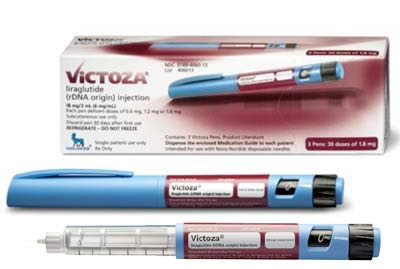
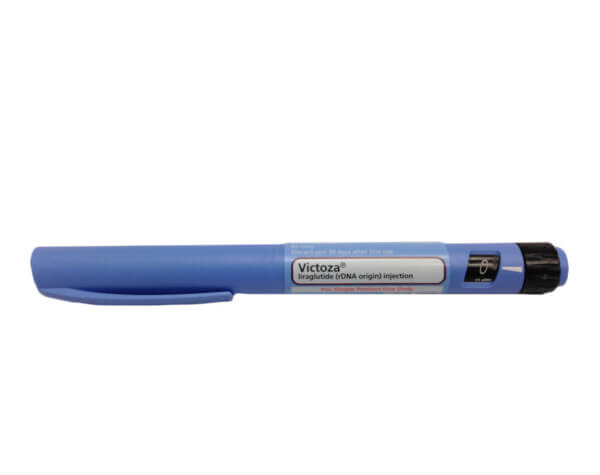
Victoza is the brand name for liraglutide, a prescription medication belonging to a class of medicines called glucagon-like peptide-1 (GLP-1) receptor agonists.
It is used as an adjunct to diet and exercise to improve glycemic control in adults and children aged 10 years and older with type 2 diabetes.
In adults with type 2 diabetes and established cardiovascular disease, it is indicated to reduce the risk of major cardiovascular events, including cardiovascular death, nonfatal heart attack and nonfatal stroke.
Victoza is not insulin.
In addition, it is not indicated for treatment of type 1 diabetes.
One important distinction is that different doses of liraglutide are used for different indications. Victoza is used for diabetes at doses up to 1.8 mg once daily, whereas liraglutide 3.0 mg is sold under the brand name Saxenda for chronic weight management.
That distinction matters when reading studies about liraglutide and weight loss.
How Does Victoza Work?
Victoza works by mimicking the activity of GLP-1, a naturally occurring hormone involved in blood glucose regulation.
Liraglutide can:
- increase insulin secretion when blood glucose levels are elevated
- reduce glucagon secretion
- slow gastric emptying
- reduce appetite and food intake
- improve blood glucose control
- support weight loss in some people
Because liraglutide stimulates insulin secretion in a glucose-dependent manner, Victoza generally has a lower risk of hypoglycemia when used alone than insulin or sulfonylureas.
However, the risk of hypoglycemia can increase when Victoza is used with insulin or a sulfonylurea. This is why combinations of diabetes medications should be individualized and monitored by a healthcare professional.
Victoza belongs to a class of medicines called GLP-1 receptor agonists. If you want to understand this medication class in more detail, see our guide to GLP-1 receptor agonists and their role in diabetes treatment.
Is Victoza Good for Type 2 Diabetes?
For appropriate patients, yes, it can be an effective treatment of type 2 diabetes.
But effective does not mean it is the best medication for everyone.
The American Diabetes Association 2026 standards of care recognizes glucagon-like peptide 1 (GLP-1) receptor agonists as a glucose-lowering therapy but states treatment decisions should consider cardiovascular and renal risk factors, body weight, hypoglycemia risk, adverse effects, cost and patient preference.
Therefore, Victoza should be considered an evidence-based treatment option but not necessarily the universal solution for all diabetic patients.
For those considering adding supplements to a prescribed diabetes therapy, it is also important to understand that supplements should not be added only because a product is indicated for blood sugar control.
The key principle is that prescription medications, supplements, nutrition and lifestyle changes should work together within an appropriate diabetes-care plan rather than being treated as interchangeable options.
Victoza is one of several prescription options used in diabetes management. Our broader guide to diabetes medications explains how different medication classes are used to help manage blood glucose.
Victoza and Blood Sugar Control
One of the main reasons why Victoza comes as a prescription is to lower blood sugar and the HbA1c.
The clinical trials conducted have shown that this drug can positively influence the HbA1c levels in patients diagnosed with type 2 diabetes.
However, it should be noted that every individual responds differently to this medication.
A number of factors contribute to the way Victoza will affect the body:
- Your initial HbA1c level
- Your diet
- Physical activity
- Other drugs for diabetes
- How long a patient has been diabetic
- Level of insulin production and how sensitive the cells are to it
- Whether the patient adheres to the dosing instructions
- Other diseases that might be present
Therefore, it is reasonable to look at Victoza as one aspect of the bigger picture in managing diabetes; not as something that will decrease the levels of sugar by a specific amount.
If one is interested in non-pharmaceutical ways of dealing with high blood sugar, there is a guide more comprehensive on the subject.
Lifestyle changes are a viable option, but they should not be taken as a reason to stop or reduce other diabetes-specific medication, under any circumstances and without a doctor’s approval.
For a broader look at evidence-based lifestyle approaches, see our guide to natural ways to lower blood sugar.
Victoza Dosage for Diabetes
The FDA-approved Victoza dosing schedule starts with a lower dose and increases gradually to help reduce gastrointestinal side effects.
For adults, the usual dosing approach is:
- 0.6 mg once daily initially
- Increase to 1.2 mg once daily after at least one week
- If additional glycemic control is required, increase to 1.8 mg once daily
The initial dose of Victoza is set to 0.6 mg to minimize gastrointestinal side effects and has no clinically significant impact on blood glucose levels in adults.
Victoza is administered as a subcutaneous injection and should be used according to the prescribed dosing schedule.
Patients should not discontinue the medication or decrease the dose if their blood glucose levels are improved or even normalized.
Do not exceed the prescribed dose. Higher doses can increase the risk of adverse effects and should not be used simply because blood glucose remains above target
Victoza and Weight Loss
One of the reasons that have contributed to liraglutide’s scientific popularity is weight loss potential.
Liraglutide suppresses appetite and slows gastric emptying, leading to reduced caloric intake in some individuals.
Nevertheless, the degree of body weight reduction may differ significantly from person to person.
Furthermore, a crucial difference exists between the Victoza dose used to control blood sugar levels in diabetes patients and the higher liraglutide dose prescribed to manage chronic weight.
In the clinical trial known as SCALE Diabetes, researchers enrolled 846 persons with overweight/obesity and type 2 diabetes who were randomly divided into two experimental (who received liraglutide 3.0 mg and liraglutide 1.8 mg) and one control group (which got placebo).
All participants were administered with investigational medication in combination with a hypocaloric diet and increased physical activity over 56 weeks.
Average weight loss was approximately:
- 6.4 kg with liraglutide 3.0 mg
- 5.0 kg with liraglutide 1.8 mg
- 2.2 kg with placebo
The study also revealed that gastrointestinal adverse effects were more common with liraglutide.
However, these findings should not be extrapolated to suggest that all patients taking Victoza for diabetes will lose 5-6 kg.
Individual results may vary.
Because Victoza can affect appetite and body weight, its potential role in weight management is an important part of the discussion. Our guide to diabetes and weight management provides additional information about the relationship between body weight and diabetes.
Can You Use Victoza for Weight Loss Without Diabetes?
This is where much confusion lies.
Victoza is not indicated for general weight loss in those without the disease.
Liraglutide is sold under the name of Saxenda, which is used specifically for chronic weight management at a higher 3.0 mg dose.
So, it stands to reason that those without diabetes should not simply just get Victoza to lose weight.
The right drug, the correct dose and whether or not you’re eligible for it all depend on your overall health and what you’re seeking treatment for.
Victoza Side Effects
Like any other pharmaceutical product, Victoza is endowed with adverse effects.
The most frequent side effects of the drug include:
- Nausea
- Diarrhea
- Vomiting
- Reduced appetite
- Indigestion
- Constipation
The most common side effects usually occur when the treatment commences or the dose is increased.
More severe side effects:
- Pancreatitis
- Acute kidney failure
- Serious gallbladder problems
- Severe allergic reaction
- Hypoglycemia if the medication is given with insulin or other diabetes drugs
- Thyroid C-cell tumors
- Severe gastrointestinal tract symptoms
Victoza is not unsafe per se, but it should be taken only on the recommendation of a healthcare provider.
If a patient observes that any of the side effects evolve into a severe condition, he/she should consult a physician instead of trying to counteract them on his/her own.
Victoza and Thyroid Cancer Risk
This is one of the most critical safety information to know about.
Victoza has an FDA boxed warning regarding the risks of thyroid C-cell tumors.
In animal studies, liraglutide caused thyroid C-cell tumors. It is not known whether this finding is relevant to humans.
Victoza shouldn’t be used by people who have a personal or family history of medullary thyroid carcinoma or multiple endocrine neoplasia syndrome type 2 (MEN 2)
This doesn’t necessarily mean the drug is causing thyroid cancer in humans, but the risk is not certain.
So, this is the reason why we should be concerned and why the boxed warning and contraindications were established.
Who Should Not Take Victoza or May Need Special Consideration?
Victoza is formally contraindicated in people with:
- a personal or family history of medullary thyroid carcinoma (MTC)
- multiple endocrine neoplasia syndrome type 2 (MEN 2)
- a previous serious hypersensitivity reaction to liraglutide or any of the ingredients in Victoza
Other situations may require additional medical evaluation or caution, including:
- pregnancy or plans to become pregnant
- gastroparesis or significant gastrointestinal problems
- a history or increased risk of pancreatitis
- gallbladder disease
- kidney problems, particularly if severe vomiting or diarrhea occurs
- use of insulin, sulfonylureas or other medications that can increase the risk of hypoglycemia
- other medications or medical conditions that may affect treatment decisions
Your healthcare professional can determine whether Victoza is appropriate based on your medical history and other treatments.
Victoza and Pancreatitis
Acute pancreatitis has been reported in patients treated with Victoza.
The prescribing information recommends to discontinue Victoza immediately if acute pancreatitis is suspected.
Symptoms of pancreatitis may include severe or persistent abdominal discomfort that may radiate to the back and may be associated with vomiting.
Do not try to self-diagnose pancreatitis.
If you are experiencing concerning side effects while taking Victoza, contact a healthcare provider right away.
Victoza and Pregnancy Section
If you are pregnant, planning to become pregnant, or become pregnant while taking Victoza, discuss your treatment with your healthcare professional. Do not start, stop or change the medication on your own.
If you become pregnant while taking Victoza, or are planning a pregnancy, discuss your treatment with your healthcare professional rather than stopping or changing the medication on your own.
Victoza and Kidney Problems
Victoza should not be considered as only a kidney-toxic drug.
Victoza is not generally considered directly kidney-toxic. However, severe or prolonged vomiting and diarrhea can cause dehydration and volume depletion, which may contribute to acute kidney injury. If you have kidney disease or experience persistent vomiting or diarrhea while taking Victoza, contact your healthcare professional.
A supplement is not automatically safe simply because it is sold without a prescription.
Victoza and Gallbladder Problems
- Gallstones
- Cholecystitis
- Other acute gallbladder events
Acute gallbladder disease is listed in the FDA prescribing information as a warning and precaution.
If you experience severe abdominal pain, especially with fever, vomiting or other symptoms that concern you, seek medical attention.
Victoza and Gastroparesis
Victoza is associated with slowed gastric (stomach) emptying, which is part of the mechanism by which liraglutide exerts its glucose-lowering effect. Slowed gastric emptying may be detrimental in patients with gastroparesis (a condition in which the stomach is delayed in emptying its contents).
Victoza is not recommended for people with gastroparesis and may worsen gastrointestinal symptoms because it slows gastric emptying.
Patients with diabetes who have been diagnosed with gastroparesis and/or who have persistent symptoms of delayed gastric emptying should consult their physician prior to initiating treatment with Victoza. Patients should not make treatment decisions on their own based on gastrointestinal symptoms.
Victoza and Insulin
A frequently asked question is:
Can you take Victoza with insulin?
In some patients, yes.
Victoza and insulin act through distinct mechanisms and may be prescribed in combination when further glucose lowering is warranted.
The 2026 ADA Standards of Care recognize the potential benefit of combining insulin with a GLP-1 receptor agonist in appropriately selected patients due to the potential for additive glucose-lowering effects as well as benefits related to weight and hypoglycemia risk.
However, this does not imply that you should alter your insulin dose on your own.
Any modifications to your insulin regimen should be made by the medical professional who is overseeing your diabetes care.
This is especially important to remember as combinations of glucose-lowering therapies can affect your risk of hypoglycemia.
Some people with type 2 diabetes may use Victoza alongside insulin when clinically appropriate. If you want to understand insulin’s role in diabetes treatment, see our guide to insulin and diabetes.
Victoza and Hypoglycemia
Hypoglycemia can occur when Victoza is used in combination with insulin or sulfonylureas.
Consultation with a healthcare professional should be undertaken in the event of recurrent episodes of hypoglycemia, rather than discontinuing or altering medications.
Victoza Cardiovascular Benefits
One of the strongest reasons Victoza has become so significant in the field of diabetes is the cardiovascular evidence.
A large LEADER trial followed 9340 patients with type 2 diabetes and increased cardiovascular risk.
Following a median of 3.8 years of exposure, the primary cardiovascular outcome occurred in:
- 0% in the liraglutide group
- 9% in the placebo group
There was also a reduction in cardiovascular mortality in the trial, and a lower all-cause mortality rate in the trial.
This is significant, as the focus of diabetes treatment is not only glucose control.
For many patients with type 2 diabetes, reducing cardiovascular risk is an important consideration.
The 2026 ADA Standards of Care continues to highlight the importance of glucose-lowering medication with established cardiovascular benefits for appropriate patients with type 2 diabetes and established or high cardiovascular risk.
Victoza vs Ozempic
Victoza and Ozempic belong to the same broad medication class: GLP-1 receptor agonists.
However, they contain different active ingredients.
Medication | Active ingredient | Typical dosing frequency |
Victoza | Liraglutide | Once daily |
Ozempic | Semaglutide | Once weekly |
Neither medication should be considered universally better; the appropriate choice depends on the person’s diabetes goals, cardiovascular and kidney risks, weight-management needs, tolerability, cost, and other medications.
Both drugs can help with blood sugar control and weight loss. However, semaglutide and liraglutide cannot be used interchangeably.
The two medications have different indications, dosing schedules, clinical trial evidence, mechanisms of action, adverse effect profiles, and are indicated for individual patients.
The choice between them depends on the individual’s needs, such as:
- History of medical conditions
- Desired outcomes of the therapy
- Cardiovascular risks
- Kidney functions
- Weight loss goals
- Drug interactions
In addition, the presence of insurance and the costs of the two treatments and personal preferences are also important factors.
How Much Does Victoza Cost?
The cost of Victoza may vary significantly based on:
- The country
- The pharmacy
- Insurance coverage
- The availability of generic versions
- Manufacturer’s programs
- The dosage
- The health-plan coverage
Therefore, a statement such as “Victoza costs $1,000 per month” is no longer accurate.
In the meantime, a significant development has occurred in the U.S. market: In December 2024, the FDA approved the first generic version of liraglutide injection referencing Victoza.
Therefore, if you are concerned about the cost of Victoza, it would be a good idea to contact your healthcare provider or pharmacist and ask for a list of available liraglutide products, insurance coverage and cheaper alternatives.
What Did the Major Victoza Studies Find?
The LEADER Trial:
The LEADER trial stands as one of the largest studies on the use of liraglutide in patients with type 2 diabetes.
The study involved 9340 participants who were followed up for a median of 3.8 years before the trial was concluded.
The main outcome of the LEADER clinical trial was that 13.0% of patients taking liraglutide experienced a cardiovascular event compared to 14.9% of patients in the placebo group.
Additionally, 4.7% of participants in the treatment group had a death from cardiovascular causes compared to 6.0% in the control group. Overall death was recorded as 8.2% in the treatment group and 9.6% in the control group.
These results provided evidence that liraglutide reduces major cardiovascular events in the studied population of people with type 2 diabetes and elevated cardiovascular risk.
The SCALE Diabetes Trial:
The SCALE Diabetes trial investigated into the treatment of individuals with type 2 diabetes and overweight or obesity.
The eight hundred and forty-six patients involved were given liraglutide 3.0 mg, liraglutide 1.8 mg or a placebo over the course of fifty-six weeks.
The average weight loss recorded was approximately 6.4 kg, 5.0 kg and 2.2 kg, respectively. At 56 weeks, average weight loss was approximately 6.0% with liraglutide 3.0 mg, 4.7% with liraglutide 1.8 mg and 2.0% with placebo.
Once more, it is important not to confuse the 3.0 mg liraglutide dose that was trialled for weight management purposes with the maximum 1.8 mg Victoza dose used in the diabetes treatment.
What the Evidence Says About Victoza
| What the evidence shows | What it means |
|---|---|
| Victoza (liraglutide) lowers blood glucose and A1C in adults with type 2 diabetes. | It can be an effective glucose-lowering medication when used as part of an appropriate diabetes treatment plan. |
| Liraglutide can promote weight loss. | Weight loss is a potential benefit, although the amount varies between individuals and Victoza should not be viewed as a dedicated weight-loss treatment. |
| Liraglutide has demonstrated cardiovascular benefit in appropriate adults with type 2 diabetes and established cardiovascular disease. | The LEADER trial found that liraglutide reduced the risk of major adverse cardiovascular events in the studied population. |
| Victoza can be used with other diabetes medicines, including insulin in appropriate patients. | Combining treatments may improve glucose control, but the risk of hypoglycemia can increase when liraglutide is used with insulin or a sulfonylurea. |
| Gastrointestinal adverse effects are common. | Nausea, diarrhea, vomiting, and other gastrointestinal symptoms can occur, particularly during treatment initiation or dose escalation. |
| Important but less common risks have been identified. | The prescribing information includes warnings concerning pancreatitis, gallbladder disease, and acute kidney injury associated with volume depletion from gastrointestinal reactions. |
| Victoza carries an FDA boxed warning concerning thyroid C-cell tumors. | It should not be used in people with a personal or family history of medullary thyroid carcinoma or in patients with MEN 2, consistent with the prescribing information. |
| The ADA recommends individualized selection of glucose-lowering medication. | Treatment decisions should consider glucose-lowering needs, weight, cardiovascular and kidney disease, hypoglycemia risk, adverse effects, cost, access, and patient preferences. |
| Victoza is a prescription medicine, not a replacement for lifestyle measures or other appropriate diabetes care. | Diet, physical activity, monitoring, and other prescribed treatments remain important parts of comprehensive diabetes management. |
What the Evidence Does Not Mean
The point should be that:
- the SCALE Diabetes trial does not mean every Victoza user loses 5–6 kg;
- the LEADER trial does not mean Victoza eliminates cardiovascular risk;
- clinical-trial results apply to particular populations;
- individual response, comorbidities, other medications and tolerability matter.
Frequently Asked Questions About Victoza:
What is Victoza used for?
Victoza is indicated in conjunction with diet and exercise to improve blood glucose control in patients with type 2 diabetes mellitus. In addition, in adults with type 2 diabetes mellitus and established cardiovascular disease, Victoza is indicated to reduce the risk of major cardiovascular events.
Is Victoza an insulin?
No. Victoza is a glucagon-like peptide-1 (GLP-1) receptor agonist. It contains the active substance liraglutide.
How does Victoza lower blood sugar?
The active substance in Victoza, liraglutide, acts on the GLP-1 receptors in the brain and body. Through this mechanism, it increases glucose-dependent insulin secretion, decreases secretion of glucagon and slows down gastric emptying.
What is the usual dose of Victoza for treating diabetes?
The recommended starting dose of Victoza in adults with type 2 diabetes is 0.6 mg/day, the dose should be increased to 1.2 mg/day after at least one week if glycemic control is not adequate, and may be increased further to 1.8 mg/day if additional glycemic control is required.
Does Victoza cause weight loss?
Weight loss is a known side effect of Victoza. Weight loss can occur with Victoza, although the amount varies considerably between individuals. Higher-dose liraglutide is also specifically approved under the brand name Saxenda for chronic weight management in eligible patients.
Can I take Victoza if I do not have diabetes?
Victoza is indicated for the treatment of type 2 diabetes only. If you do not have diabetes, it is not recommended that you take Victoza for weight loss purposes. However, you may wish to speak to your healthcare professional about liraglutide (Saxenda), which is available as an alternative for chronic weight management.
What are the most common side effects of Victoza?
The most common side effects of Victoza are nausea, diarrhea, vomiting, decreased appetite, indigestion and constipation.
Does Victoza cause thyroid cancer?
In animal studies, administration of liraglutide was associated with the development of thyroid C-cell tumors. The relevance of these findings to humans is not known. Because of this potential risk, Victoza is contraindicated in patients with a personal or family history of medullary thyroid carcinoma or multiple endocrine neoplasia type 2.
Can I take Victoza with insulin?
Insulin may be used in combination with Victoza in appropriate patients. However, Victoza should be used with caution in patients already receiving insulin as combined use may increase the risk of hypoglycemia.
Is Victoza better than Ozempic?
There is no simple answer to this question. Victoza and Ozempic are both glucagon-like peptide-1 (GLP-1) receptor agonists. Both medications have demonstrated benefits, but they differ in dosing frequency, indications, clinical evidence, weight-loss effects and individual suitability. A healthcare professional should determine which option is appropriate.
Does Victoza help to reduce risk of heart attack and stroke?
According to the results of the LEADER trial, liraglutide reduces the risk of the primary composite cardiovascular outcome compared with placebo in patients with type 2 diabetes.
If my blood sugar is normal, can I quit using Victoza?
Do not stop taking Victoza or make any changes to your diabetes treatment regimen without consulting your healthcare professional. In cases where blood glucose readings improve, this is most likely a sign that your treatment is working. However, this does not necessarily mean that your diabetes is gone.
Bottom Line: Is Victoza a Game Changer for Diabetes?
This medicine is not a magic bullet or a desperate shot in the dark.
It is a valid pharmaceutical tool that can benefit eligible patients with type 2 diabetes.
It can help control blood sugar, reduce A1C levels, cause weight loss, be prescribed together with insulin to some patients, and has demonstrated cardiovascular benefit in appropriate adults with type 2 diabetes and established cardiovascular disease.
However, it is not without drawbacks and dangers.
The medication:
- can cause gastrointestinal side effects,
- may be associated with pancreatitis or gallbladder disease,
- may contribute to acute kidney injury when severe gastrointestinal reactions cause dehydration,
- can increase the risk of hypoglycemia when combined with insulin or sulfonylureas,
- carries an FDA boxed warning concerning thyroid C-cell tumors.
The 2026 ADA Standards of Care advise that diabetes drug use should be individualized based on glucose control needs, weight situation, cardiovascular and renal risk factors, hypoglycemia risks and adverse effect profiles, cost-effectiveness, and patient values.
If you are also researching supplements alongside your diabetes treatment, it is important to consider possible interactions between supplements and prescription medicines. Our guide to supplements and diabetes medication interactions explains why these interactions matter and why supplements should be discussed with a healthcare professional before they are added to a diabetes treatment plan.
The important point is not to treat Victoza, supplements, diet or exercise as competing solutions.
Diabetes management is usually more complicated than that.
So rather than asking:
“Is Victoza a game changer?”
A better question is:
“Does the evidence, my medical history and my treatment goals make Victoza an appropriate option for me?”
That is a question worth discussing with your doctor or diabetes care team.
If you are also researching supplements alongside your diabetes treatment, you can learn more about magnesium and type 2 diabetes and what the evidence says about its potential role in diabetes management.
You can also read our guide to chromium and type 2 diabetes to better understand what is known about chromium supplementation, blood sugar and diabetes.
Important Disclaimer:
This article is for informational purposes only and is not a substitute for medical advice from a qualified healthcare professional. Victoza is a prescription medicine and should only be used under the supervision of a qualified healthcare professional. You should not start, stop or alter Victoza, insulin or any other diabetes medication without speaking to your healthcare professional first.
References:
- FDA — Victoza (liraglutide) Prescribing Information
- American Diabetes Association — Standards of Care in Diabetes—2026, Section 9: Pharmacologic Approaches to Glycemic Treatment
- American Diabetes Association — Standards of Care in Diabetes—2026, Section 8: Obesity and Weight Management
- LEADER Trial — Liraglutide and Cardiovascular Outcomes in Type 2 Diabetes, New England Journal of Medicine
- SCALE Diabetes Trial — Efficacy of Liraglutide for Weight Loss Among Patients With Type 2 Diabetes, JAMA
- Why trust us?
- for educational purpose only
(Last updated: September 2026)

admin
All Posts