What Is a Low-Glycemic Diet and How It Helps Diabetes?
- admin
- January 2, 2026
- 7:58 am
- No Comments
Managing diabetes effectively often hinges on making smart dietary choices, and a low-glycemic diet is one such approach gaining strong recognition.
This diet focuses on eating foods that have a minimal impact on blood sugar levels, helping people with diabetes maintain better control over their condition.
Understanding what a low-glycemic diet entails, why it matters, and how to implement it can empower individuals to improve their health and reduce diabetes-related complications.
In this article, bestdietarysupplementfordiabetics.com will explore the science behind the glycemic index, the benefits of a low-glycemic diet for diabetes, and practical tips for adopting this eating style.
This Article Covers:
- What Is the Glycemic Index (GI)?
- Difference Between Low, Medium, and High GI Foods
- How Does a Low-Glycemic Diet Work?
- Benefits of a Low-Glycemic Diet for People with Diabetes
- Foods to Include in a Low-Glycemic Diet
- Foods to Avoid or Limit
- Practical Tips for Following a Low-Glycemic Diet
- Common Misconceptions About the Low-Glycemic Diet
- Conclusion
What Is the Glycemic Index (GI)?
The glycemic index, or GI, is a scientific tool developed to measure how quickly carbohydrate-containing foods raise blood glucose—or blood sugar—levels after consumption.
It assigns a numerical value between 0 and 100, with pure glucose set as the reference point at 100.
Foods with high GI values cause rapid and significant spikes in blood sugar, while foods with low GI values prompt a slower, more gradual increase.
The GI was originally developed to help people with diabetes understand how different carbohydrate foods affect their blood sugar levels.
Since carbohydrates are the primary macronutrient that raises blood glucose, knowing their GI can aid in making healthier food choices.
It is important to highlight that GI values are determined under standardized conditions, usually testing a fixed amount of carbohydrate (typically 50 grams) in isolation. Real-life meals often combine foods, which can alter the overall glycemic response.
Factors influencing GI include the type of carbohydrate, the food’s fiber content, fat and protein presence, ripeness (in fruits), processing level, and cooking method.
For example, whole grains generally have a lower GI than refined grains because their fiber slows digestion.
Understanding GI helps people with diabetes predict and manage blood sugar spikes by selecting foods that release glucose more steadily.
Difference Between Low, Medium, and High GI Foods
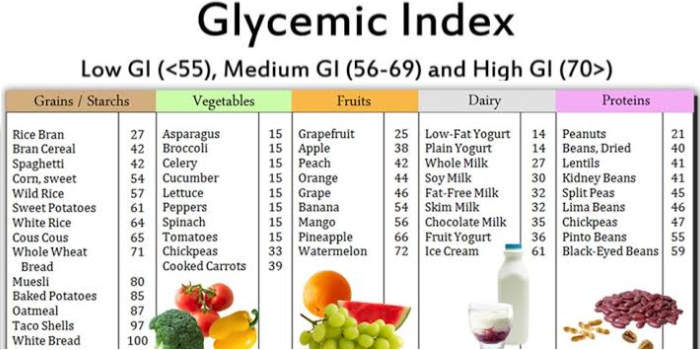
Foods are generally categorized into three groups based on their glycemic index scores:
- Low-GI foods (55 or less):These foods digest slowly and cause a gradual rise in blood sugar. Examples include most fruits like apples and berries, legumes such as lentils and chickpeas, non-starchy vegetables like leafy greens, and whole grains like barley and quinoa.
- Medium-GI foods (56–69):These cause a moderate increase in blood sugar. Examples include whole wheat bread, brown rice, and sweet corn.
- High-GI foods (70 and above):These are quickly digested and cause rapid spikes in blood sugar. Examples include white bread, white rice, potatoes, and sugary snacks.
Choosing low-GI foods helps maintain steady blood sugar levels, which is important for diabetes management.
High-GI foods can cause blood sugar to surge quickly, leading to insulin spikes and subsequent blood sugar crashes, which can be harmful over time.
It is also worth noting that some nutrient-dense foods have a higher GI but still provide essential vitamins and minerals; therefore, GI should be one part of an overall balanced diet approach.
How Does a Low-Glycemic Diet Work?
A low-glycemic diet works by emphasizing foods that produce a slower and steadier rise in blood glucose after meals.
When carbohydrates break down slowly, glucose enters the bloodstream at a controlled rate, preventing sharp spikes.
For people with diabetes, this is crucial because it helps in managing blood sugar more effectively.
Rapid increases in blood sugar require the pancreas to release large amounts of insulin to bring levels down, which can strain the pancreas over time and worsen insulin resistance.
By eating low-GI foods, the body maintains a more balanced glucose and insulin level, reducing the risk of long-term diabetes complications.
The slow digestion also means that energy from food is released gradually, which can help with satiety and appetite control.
Moreover, low-GI foods tend to be higher in fiber, which further slows carbohydrate absorption and supports digestive health.
This diet promotes better metabolic control and helps maintain a healthy weight, both of which are key in managing diabetes.
Benefits of a Low-Glycemic Diet for People with Diabetes
The low-glycemic diet offers multiple benefits for individuals with diabetes:
- Improved Blood Sugar Control: By reducing rapid glucose spikes, this diet makes it easier to maintain target blood sugar levels, reducing the risk of hyperglycemia and hypoglycemia.
- Reduced Insulin Resistance: Stable blood sugar levels can improve the body’s response to insulin, a critical factor in type 2 diabetes.
- Weight Management: Since low-GI foods promote fullness and reduce hunger pangs, they support weight loss or maintenance, which is essential for diabetes control.
- Heart Health:Diabetes increases cardiovascular disease risk. Low-GI diets have been shown to improve cholesterol levels, reduce inflammation, and lower blood pressure, supporting heart health.
- Lower Risk of Diabetes Complications:Stable blood sugar decreases damage to blood vessels and nerves, potentially reducing the risk of kidney disease, neuropathy, and retinopathy.
- Better Energy Levels:Steady glucose release prevents energy crashes, helping people feel more energetic throughout the day.
These benefits make the low-glycemic diet a powerful tool in comprehensive diabetes management.
Foods to Include in a Low-Glycemic Diet
Choosing the right foods is essential when following a low-GI diet. Focus on whole, minimally processed foods rich in fiber and nutrients:
- Non-starchy vegetables: Spinach, kale, broccoli, cauliflower, peppers, zucchini, and green beans. These are naturally low in carbohydrates and have minimal impact on blood sugar.
- Fruits: Apples, oranges, berries, pears, peaches, and cherries. Most fruits have a low to moderate GI and provide antioxidants and vitamins.
- Legumes: Lentils, chickpeas, black beans, kidney beans. These are excellent sources of fiber and protein, with a low GI.
- Whole grains: Barley, quinoa, steel-cut oats, bulgur, and brown rice. Whole grains contain more fiber than refined grains, resulting in slower carbohydrate absorption.
- Nuts and seeds: Almonds, walnuts, chia seeds, and flaxseeds. These provide healthy fats and fiber, which help slow digestion.
- Dairy and alternatives: Plain Greek yogurt and unsweetened milk provide protein and calcium with a low GI.
- Lean proteins: Chicken, turkey, fish, tofu, and eggs. Protein does not raise blood sugar and helps balance meals.
Incorporating a wide variety of these foods ensures nutrient diversity and keeps meals interesting.
Foods to Avoid or Limit
To maintain stable blood sugar, certain foods should be minimized or avoided in a low-GI diet:
- Refined grains: White bread, white rice, pastries, and regular pasta. These lack fiber and cause rapid blood sugar spikes.
- Sugary snacks and beverages: Candy, soda, sweetened cereals, and desserts. High in simple sugars, these quickly raise blood glucose.
- Highly processed foods: Fast food, chips, instant noodles, and many packaged snacks often contain refined carbs and unhealthy fats.
- Starchy vegetables in excess: Potatoes, corn, and yams have a higher GI and should be eaten in moderation.
- Sweetened dairy products: Flavored yogurts, ice cream, and sweetened milk can have added sugars that increase blood sugar levels.
Being mindful of these foods helps maintain the balance and effectiveness of a low-GI diet.
Practical Tips for Following a Low-Glycemic Diet
Adopting a low-GI diet involves more than just choosing certain foods. Here are practical tips to help you succeed:
- Combine foods wisely: Pair carbohydrates with protein, healthy fats, and fiber to slow digestion and lower the overall glycemic response.
- Watch portion sizes: Even low-GI foods can impact blood sugar if consumed in large quantities.
- Choose whole over processed: Whole grains and fresh produce generally have lower GI values than their processed counterparts.
- Cook smart: Overcooking pasta or rice increases their GI; cooking al dente helps keep it lower.
- Read labels carefully: Look for added sugars and refined flours that can increase GI.
- Plan balanced meals: Include a variety of food groups for nutrients and sustained energy.
- Stay hydrated: Drinking enough water supports metabolism and blood sugar regulation.
- Monitor your response: Blood glucose monitors can help you understand how different foods affect you individually.
By integrating these habits, you’ll enhance the effectiveness of your low-GI diet.
Common Misconceptions about the Low-Glycemic Diet
Despite its benefits, the low-GI diet is sometimes misunderstood:
- All low-GI foods are healthy:Some processed foods might have a low GI due to added fats but lack essential nutrients. Always prioritize nutrient-rich foods.
- High-GI foods are always bad:Some high-GI foods, such as watermelon and pineapple, offer important vitamins and antioxidants. Context and portion size are key.
- GI alone determines health:Overall diet quality, calorie intake, and lifestyle factors also play crucial roles.
- Low-GI means no carbs:The diet encourages choosing quality carbohydrates, not eliminating them entirely.
Understanding these nuances helps set realistic expectations and encourages a balanced approach.
Conclusive Analysis
A low-glycemic diet is a smart, effective strategy for people with diabetes to manage their blood sugar and improve overall health.
By focusing on carbohydrate quality and choosing foods that release glucose slowly, it helps prevent harmful blood sugar spikes and supports insulin function.
Alongside other healthy lifestyle habits, this diet can promote weight management, reduce cardiovascular risks, and lower the chance of diabetes complications.
Incorporating whole grains, legumes, fruits, vegetables, and lean proteins, while limiting refined and sugary foods, creates a sustainable and enjoyable eating plan.
Embracing a low-GI diet empowers individuals to take control of their diabetes, improve their quality of life, and foster long-term well-being.
References:
