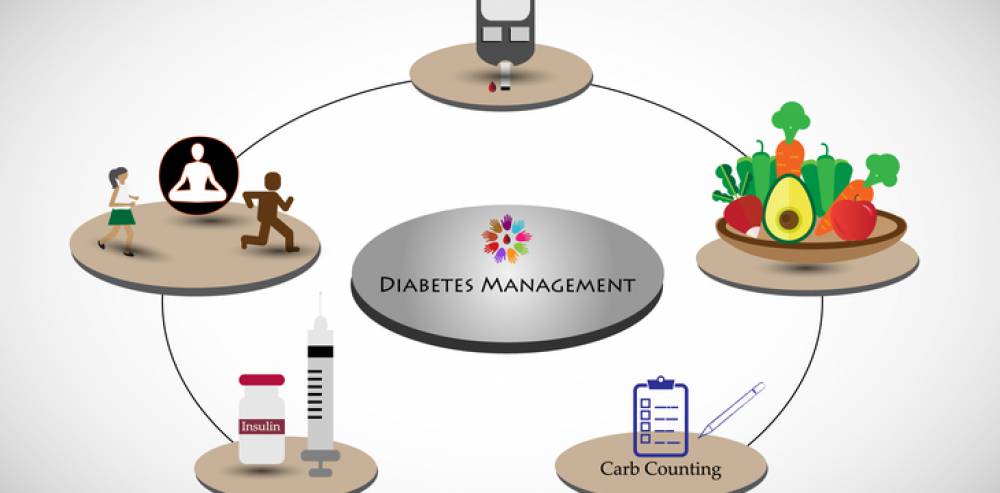
Preventing type 2 diabetes and managing an existing diagnosis involve more than monitoring blood sugar. Screening, appropriate medical care, sustainable lifestyle changes, and regular follow-up can all play an important role.
For residents of Gulfport and Harrison County, Mississippi, this guide explains where to start, what to discuss with a healthcare professional, and how to find relevant local resources.
Article Index
- Why Diabetes Prevention and Management Matter
- Who Should Ask About Diabetes Screening?
- How to Reduce the Risk of Type 2 Diabetes
- Everyday Habits That Support Diabetes Management
- Managing an Existing Diabetes Diagnosis
- Diabetes Education and Community Resources
- Diabetes Resources in Gulfport and Harrison County
- Frequently Asked Questions
- Conclusion
- References
Why Diabetes Prevention and Management Matter
Diabetes is a condition that affects how the body regulates blood glucose (blood sugar). Persistently high blood glucose can increase the risk of complications affecting the heart, kidneys, eyes, nerves, and feet.
Appropriate treatment and regular medical care can help people manage their condition and reduce the risk of complications.
Type 2 diabetes sometimes develops slowly, and one may not know they have it. In addition, those at risk of developing type 2 diabetes, including those with prediabetes, could benefit significantly from being tested.
Diabetes prevention and diabetes management have different goals. Prevention focuses on reducing the risk of developing type 2 diabetes, while management focuses on controlling an existing condition and reducing the risk of complications.
Prevention
People with prediabetes can often lower their risk of developing type 2 diabetes through sustainable lifestyle changes and, when appropriate, a structured diabetes prevention program.
Prediabetes may return to a normal blood glucose range, but this does not guarantee that diabetes will never develop. The best approach depends on each person’s health, risk factors, and circumstances.
Management
People who have diabetes may need lifestyle changes, medication, and regular medical appointments. Their care plan may include blood glucose monitoring, eye examinations, foot checks, and individualized guidance on nutrition and physical activity.
Type 1 Diabetes
Type 1 diabetes differs from type 2 diabetes and cannot currently be prevented through the lifestyle changes discussed in this article. It can develop in children or adults, so it should not be described as a condition that affects only young people.
People with type 1 diabetes need insulin treatment because their bodies produce little or no insulin. Anyone with suspected symptoms should seek prompt medical evaluation.
For local context about diabetes trends and risk factors, read our separate article on why diabetes is increasing in Harrison County and Gulfport. Community-level statistics describe populations; they cannot determine an individual person’s diagnosis or predict their personal risk.
Who Should Ask About Diabetes Screening?
A healthcare professional can help determine whether you should be screened for prediabetes or diabetes. Factors that may affect this decision include age, overweight or obesity, family history of type 2 diabetes, physical activity, a history of gestational diabetes, high blood pressure, and other medical conditions.
Screening may be especially important for people who:
- were diagnosed with prediabetes;
- have a close relative with type 2 diabetes;
- are overweight or obese, especially with additional risk factors;
- were diagnosed with gestational diabetes;
- report unusual thirst, frequent urination, unintended weight loss, or extreme fatigue.
These symptoms do not always indicate diabetes, but they warrant medical evaluation. Seek urgent medical advice if symptoms are severe or worsening rapidly.
What tests may be used?
A healthcare professional may choose to order an A1C test, fasting blood glucose test, or any other suitable test. Each test measures various attributes of blood glucose, and it is dependent on the individual’s case.
A home glucose meter or a pharmacy screening test cannot replace appropriate medical assessment and diagnostic testing. In addition, ask a qualified healthcare professional to explain what they mean and whether further tests are required.
For more information, see the National Institute of Diabetes and Digestive and Kidney Diseases guide to diabetes tests.
How to Reduce the Risk of Type 2 Diabetes
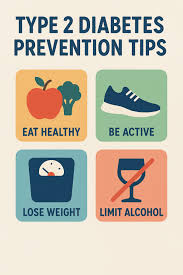
Type 2 diabetes cannot be prevented in all cases, and there are factors that people cannot control, such as age and having a family history of the disease. Individuals with prediabetes can reduce the risk of developing type 2 diabetes through changes and proper intervention.
Follow a sustainable eating pattern
A healthy eating plan includes vegetables, fruits, whole grains, beans, nuts, sources of protein, and other foods that may be best for you. Your needs and preferences, such as a food budget or cultural eating patterns, also may affect your choice of foods.
Replacing sugar-sweetened drinks with water or other unsweetened beverages, while including a variety of nutritious foods, can support overall health and may help reduce the risk of type 2 diabetes.
There is no best diet for everyone or one-size-fits-all approach. You should not feel pressured to follow a restrictive diet.
A registered dietitian or other diabetes care professional can help you make changes to your eating pattern.
Build regular physical activity into your routine
Walking, riding a bicycle, swimming, dancing, doing housework, and other activities can contribute to a person’s health. Such exercises should be started at a low intensity and gradually increased in difficulty, considering individual characteristics and health indications.
The CDC’s National Diabetes Prevention Program encourages eligible participants to build toward at least 150 minutes of physical activity per week as part of a broader lifestyle-change plan.
People who are unsure which activities are appropriate for them, or who have medical conditions that may limit exercise, should discuss a safe activity plan with a healthcare professional.
You can also read our practical guide to controlling blood sugar levels by walking.
Consider a structured diabetes prevention program
People who are living with prediabetes might benefit from a structured lifestyle-change program. The CDC’s National Diabetes Prevention Program offers information about programs that provide the tools and resources you need to eat healthy, exercise, and more.
Research shows that structured lifestyle-change programs can reduce the risk of developing type 2 diabetes in people with prediabetes. These programs typically support healthier eating, regular physical activity, and sustainable behavior changes. They can lower risk but cannot guarantee that an individual will avoid developing diabetes.
Ask your healthcare professional if a well-recognized program would be right for you and if there are in-person or remote options available.
Work toward a healthy weight when appropriate
For people who have prediabetes and are overweight, modest weight loss may help reduce the risk of developing type 2 diabetes. The goal should be to build sustainable habits rather than follow restrictive diets or pursue rapid weight loss.
Weight-management goals should be individualized. A healthcare professional or registered dietitian can help determine an appropriate approach based on a person’s health, nutritional needs, and circumstances.
Avoid unproven shortcuts
Supplements that claim to help control blood sugar cannot substitute for diabetes screening, medication prescribed by a doctor, or other scientifically proven measures to prevent the disease.
In some cases, supplements may also be dangerous or have negative side effects on the body, or interfere with the work of medications.
Before taking a supplement, discuss the specific product with your healthcare professional or pharmacist. Some supplements can cause side effects or interact with medications, and they should not replace prescribed diabetes treatment.
Everyday Habits That Support Diabetes Management
Lifestyle habits can complement medical care, but no single habit can guarantee normal blood glucose or prevent all complications.
Plan meals around your needs
People with diabetes may benefit from understanding how carbohydrate-containing foods affect their blood glucose. These foods include grains, fruit, milk and yogurt, beans, starchy vegetables, and sweets.
The amount and type of carbohydrates that work best depend on a person’s treatment plan, preferences, and nutritional needs. A registered dietitian or diabetes care professional can provide individualized guidance.
People taking insulin or certain blood glucose-lowering medications may need to coordinate meals, physical activity, and medication to reduce the risk of low blood glucose. Ask your healthcare professional whether you need to monitor your glucose or adjust your routine around exercise. Never change medication doses without medical guidance.
Stay active safely
Physical activity can help heart health and blood sugar. The type and amount of physical activity that is right for you depends on your current health, mobility, level of fitness, and your medications.
There are medications that can cause a decrease in blood sugar. Ask your provider if you need to check your blood sugar or make changes to your meal plan or medications.
Get adequate sleep and manage stress
Sleep and stress can impact on general wellbeing, and therefore on diabetes self-management. Aim to have a regular sleep pattern and adopt practical measures to deal with stress that are appropriate to your circumstances.
If you find that stress, depression or other problems are interfering with diabetes care, ask your healthcare team for help.
Stay hydrated sensibly
Water is a useful alternative to sugar-sweetened drinks. However, drinking extra water is not a cure for diabetes and should not be relied on as a treatment for high blood glucose.
People with kidney or heart conditions may have individualized fluid recommendations, so they should follow their healthcare professional’s advice.
Managing an Existing Diabetes Diagnosis
The person who has already been diagnosed with diabetes needs a carefully planned strategy for managing the disease. This strategy may include drug treatment, administration of insulin, regulation of blood sugar levels, diet counseling, exercise, and regular medical checkups.
Take medication as prescribed
Do not stop or change your diabetes medicines without telling your healthcare provider. If your medicine is too expensive, makes you feel sick, or is hard to use, talk to your healthcare professional or pharmacist about what you could do.
Follow an individualized monitoring plan
How often should blood sugar be checked?
It depends on your type of diabetes, your medicines, your treatment goals, and your risk for low blood sugar. You may check your blood sugar with a glucose meter or wear a continuous glucose monitor.
An A1C test provides an estimate of your average blood glucose over approximately the previous three months. Ask your healthcare professional how often you need this test and what A1C target is appropriate for you.
Attend recommended follow-up appointments
Routine care may involve checking your blood pressure, cholesterol, kidneys, eyes, and feet. The tests and timing depend on your needs.
Contact your healthcare professional if you develop a foot wound that is not healing or notice a significant change in your symptoms. Ask your care team how to respond to high or low blood glucose and which symptoms require urgent or emergency care. Seek emergency help for severe or rapidly worsening symptoms.
For further guidance, read the NIDDK guide to managing diabetes.
Diabetes Education and Community Resources
Diabetes self-management education can help people understand nutrition, physical activity, medication use, blood glucose monitoring, and ways to reduce the risk of complications. It can also provide practical strategies for handling the everyday challenges of living with diabetes.
Mississippi State University Extension: Dining with Diabetes
The Mississippi State University Extension Service’s Dining with Diabetes program offers workshops on how to live with diabetes, carbohydrates and sweeteners, fats and sodium, vitamins, minerals, fiber, meal planning, and food preparation.
The website for the program lists what it has to offer, but doesn’t note that there are classes currently available in Gulfport. Call your local Extension office to find out if classes are available in Harrison County, when they are offered, and if there are any costs associated with them.
Mississippi State Department of Health
The Mississippi State Department of Health provides information about public health services. Residents should contact the department directly to ask which relevant services are currently available, whether diabetes screening or referrals are offered, and whether an appointment is required.
The availability, eligibility criteria, costs, and schedules of appointments may change, so it is advisable to contact the relevant agencies to confirm details.
Diabetes Resources in Gulfport and Harrison County
Harrison County Health Department
The Mississippi State Department of Health’s official county health department directory lists the following contact details for the Harrison County Health Department:
- Address: 1102 45th Avenue, Gulfport, MS 39501
- Phone: 228-863-1036
- Appointments: 855-767-0170
- Published hours: Monday through Friday, 8:00 a.m. to 5:00 p.m.
These are general department contact details which cannot be used to confirm that a particular diabetes test or service is offered. Please ring to check what services are currently available, whether you are eligible and if appointments can be made for diabetes screening or relevant referral.
Finding additional diabetes care
Residents can also contact their primary care provider or insurer to ask about local clinicians, diabetes education resources, registered dietitian, and approved prevention programs. Confirm the provider’s services, insurance, fees, and availability.
To get an overview of the local diabetes burden and associated community health factors, see why diabetes is increasing in Harrison County and Gulfport. For a broader local perspective, see how diabetes impacts daily life in Gulfport, Mississippi.
Frequently Asked Questions:
Where can Gulfport residents ask about diabetes screening?
Start by contacting your healthcare professional to discuss whether screening is appropriate. You can also call the Harrison County Health Department at 228-863-1036 or use its appointments number, 855-767-0170, to ask whether the relevant screening service is available. Confirm the service and appointment requirements before visiting.
Can type 2 diabetes be prevented?
Type 2 diabetes can sometimes be prevented or delayed, particularly in people with prediabetes. Evidence-based lifestyle-change programs can help reduce the risk, although results vary and prevention cannot be guaranteed for everyone.
What are the common symptoms of diabetes?
Possible symptoms may include increased thirst, frequent urination, tiredness, blurred vision and unexplained weight loss. Some people don’ t have any symptoms. Seek medical advice if you have any concerns.
Does everyone with diabetes need insulin?
No. People with type 1 diabetes need insulin to survive. Some people with type 2 diabetes also need insulin, while others manage their condition with other medications, lifestyle changes, or a combination of treatments. The appropriate treatment depends on the person’s medical needs and should be decided with their healthcare professional.
Are diabetes prevention programs available in Harrison County?
The Mississippi State Department of Health and Mississippi State University Extension provide information about health services and diabetes-related education. Contact each organization to ask whether relevant programs are available in Harrison County and to confirm eligibility, schedules, and any fees.
Can supplements replace diabetes medication?
No. Supplements shouldn’t replace prescribed diabetes medication or professional care. Talk to a healthcare professional or pharmacist about taking it along with any medications you may be prescribed or other medical conditions.
Conclusion
Preventing type 2 diabetes and managing an existing diagnosis begin with informed decisions and appropriate medical care. People with prediabetes can ask their healthcare professional about evidence-based prevention programs, while people diagnosed with diabetes should work with their care team on medication, blood glucose monitoring, nutrition, physical activity, and regular checkups.
Residents of Gulfport and Harrison County can contact the Harrison County Health Department and Mississippi State University Extension to ask about relevant local services and educational resources. Confirm current availability, eligibility, and costs directly with each organization.
No supplement or single lifestyle habit can cure diabetes or guarantee prevention. A personalized plan developed with a qualified healthcare professional is the most appropriate foundation for long-term care.
References
- CDC — Prediabetes: Your Chance to Prevent Type 2 Diabetes
- NIDDK — Managing Diabetes
- Mississippi State Department of Health — County Health Departments: Coastal Mississippi
- Mississippi State University Extension — Dining with Diabetes
- CDC — Diabetes Self-Management Education and Support
Medical Disclaimer:
This article is for educational purposes only and does not replace professional medical advice, diagnosis, or treatment. Read our Medical Disclaimer and Health Information Policy.
Read Why Trust BestDietarySupplementForDiabetics.com? to learn about our editorial approach.

admin
All Posts