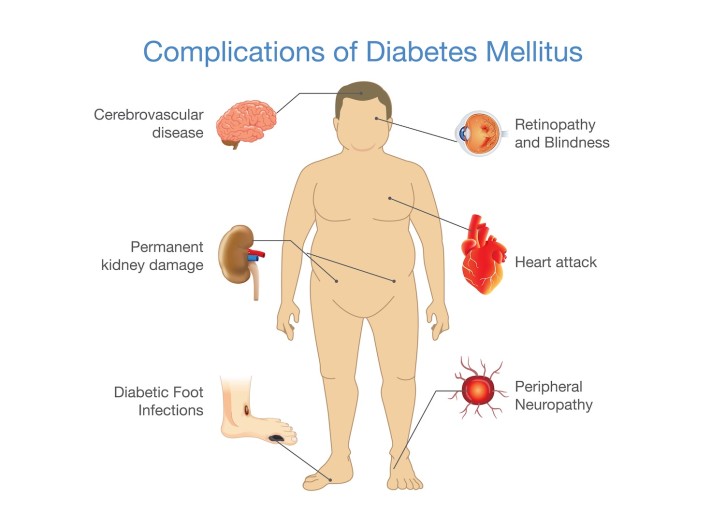
Diabetes is an important and continuing health concern in Forrest County and Hattiesburg, Mississippi. Understanding why requires looking beyond a single statistic.
Several factors can increase a person’s risk of developing type 2 diabetes, including overweight or obesity, physical inactivity, age, family history, and certain social and environmental conditions. Access to healthcare can also influence how early diabetes or prediabetes is detected.
Furthermore, it is essential to differentiate the terms “diabetes prevalence” and “diabetes incidence.” The former means the percentage of affected people in a given population, while the latter is the number of diagnosed cases during a specific period.
Therefore, when people ask if diabetes is increasing, they may be referring to either incidence or prevalence. With that in mind, it is important to note that both measures provide important information about the diabetes burden and the number of new cases in a population.
On the other hand, the high number of affected people can be associated with better screening and detection of the disease. In other words, changes in incidence rates are different by definition from prevalence rates.
Conclusively, the article will focus on the issue of diabetes in the local community of Forrest County, risk factors for type 2 diabetes, and the way that it affects the residents of Hattiesburg and the surrounding areas.
Important: This article provides general educational information and is not a substitute for medical advice, diagnosis, or treatment. If you are concerned about your blood sugar or diabetes risk, talk with a qualified healthcare professional.
Article Index
- Forrest County Diabetes Statistics at a Glance
- Is Diabetes Actually Increasing in Forrest County?
- Diabetes Prevalence vs. Diabetes Incidence
- Why Is Diabetes a Concern in Forrest County and Hattiesburg?
- Obesity and Type 2 Diabetes Risk
- Physical Inactivity
- Diet and the Local Food Environment
- Age and Population Changes
- Family History and Other Risk Factors
- Healthcare Access and Diabetes Screening
- Poverty and Other Social Factors
- Why There Is No Single Cause of Diabetes in Forrest County
- What These Statistics Mean for Forrest County Residents
- What Can Forrest County Do to Reduce Diabetes Risk?
- What Can Individuals Do About Their Diabetes Risk?
- Frequently Asked Questions
- Bottom Line
- References
Forrest County Diabetes Statistics at a Glance
Before delving into why diabetes is a local concern, let’s briefly review what Forrest County is.
The US Census Bureau has projected Forrest County’s population to be about 79,000 in 2025. More than 16% of Forrest County residents are age 65 or older.
The county also has social and health care access challenges that may contribute to the disease’s prevalence. For example, the census has estimated that about 1 in 5 residents are living below the poverty level, while about 12% of residents below 65 years of age do not have health insurance.
Moreover, the CDC has an online surveillance system that contains county-level estimates of diagnosed diabetes and selected risk factors, such as obesity and physical inactivity.
However, please note that these are approximate values. The CDC’s PLACES program provides small-area estimates that should be used to understand the general trends and patterns.
These figures should therefore be interpreted as estimates rather than a direct count of every person with diagnosed diabetes in Forrest County.
Forrest County Health Snapshot
| Forrest County health snapshot | Current figure |
|---|---|
| Population | 79,034 |
| Age 65+ | 16.1% |
| Uninsured under 65 | 12.0% |
| Below poverty level | 21.4% |
| Diagnosed diabetes | Use current CDC county estimate |
| Adult obesity | Use current CDC county estimate |
| Physical inactivity | Use current CDC county estimate |
The important takeaway is not one isolated percentage. Forrest County has several overlapping health and socioeconomic factors that can contribute to the community’s diabetes burden.
Is Diabetes Actually Increasing in Forrest County?
This question needs a little caution.
A high prevalence of diabetes mellitus doesn’t necessarily mean that the disease is starting to rise every year.
For example, if 13% of adults in a county have diagnosed diabetes that tells us the ratio of people who currently live with diagnosed diabetes. It doesn’t tell us about the number of new instances that started in the last year.
To be able to determine that the disease is actually increasing, researchers would have to look at comparable percentages in several years
The statistics can fluctuate for various reasons such as:
- the higher prevalence of type 2 diabetes,
- changes in the county`s age structure,
- better access to screening,
- increased awareness of the disease,
- more people getting tested,
- changes in the way public-health officials are calculating the numbers
- people tending to live longer after diagnosis.
That is why it is safer to say that, in the case of Forrest County, diabetes is a serious problem that is persistent rather than increasing.
Diabetes Prevalence vs. Diabetes Incidence
Both terms can be easily confused with each other.
Diabetes Prevalence
Indicates the percentage or proportion of the population who are currently living with diabetes.
Persons that were diagnosed with the disease years before and are still alive today are included in the prevalence figures.
Diabetes Incidence
On the other hand, represents the number of newly diagnosed patients per population group during a certain period of time.
The incidence is, therefore, a measurement that allows the researchers to see if the trend of new cases is increasing or not.
Both are essential and complement each other since the prevalence tells us about the overall burden of the disease within a population and the incidence sheds light on the situation from another perspective, providing more accurate information about the pattern of new cases emergence.
That is why it is more accurate to consider both terms when trying to assess the situation rather than rely solely on the prevalence data as many headlines suggest when they say that diabetes rates are rising.
Why Is Diabetes a Concern in Forrest County and Hattiesburg?
There is not one single reason.
Type 2 diabetes mellitus has complex associations that include several genetic, metabolic, and sociobehavioral risk factors, as well as demographics and environment.
Several of these factors are evident in the case of Forrest County.
Obesity and Type 2 Diabetes Risk
Obesity is one of the most important factors that can be modified to reduce the risk of developing type 2 diabetes.
Excess weight, especially visceral fat, can lead to insulin resistance.
The pancreas may initially produce more insulin to compensate for insulin resistance. Over time, however, the body may no longer be able to produce enough insulin to keep blood glucose within a normal range.
This process can eventually lead to progressing from insulin resistance to prediabetes and, in some people, type 2 diabetes.
County-level public-health estimates suggest Forrest County has an obese adult population.
This does not mean that obesity is the sole determining factor for diabetes, nor does it mean that those who are not obese are entirely free from risk.
It should instead be seen as just one risk factor among several variables, such as age, genetic predispositions, family history, physical activity levels, sleep patterns, diet, and overall metabolism that contribute to the development of the disease.
Physical Inactivity
Regular physical activity is associated with improved utilization of glucose from the blood and increased insulin sensitivity.
On the other hand, low levels of physical activity are associated with a higher risk of developing type 2 diabetes.
You do not need to join a gym or perform vigorous workouts to benefit from regular physical activity.
Walking, bicycling, housekeeping, gardening, and other activities also count towards physical activity.
The main concern is the promotion of a physically active lifestyle.
The constraints in time and opportunity and physiological, social, and environmental barriers such as working hours or the lack of recreational facilities or the challenge of severe weather may limit opportunities for physical activity.
People cannot always control the environments in which they live and work, but those environments can influence how easy or difficult it is to stay physically active.
Diet and the Local Food Environment
Diet is another area of the diabetes-risk “ecosystem,” and it too is easy to oversimplify.
There is no single food that causes type 2 diabetes.
Rather, the consumption of calories over a prolonged period in excess of bodily need in the form of diets high in refined carbohydrates, added sugars, or highly processed foods can contribute to weight gain and impaired metabolic health in some individuals.
Meanwhile, eating patterns that emphasize:
- veggies,
- fruit,
- beans and legumes,
- whole grains,
- nuts and seeds,
- lean protein, and
- appropriate portions of minimally processed foods
can support overall metabolic health.
Access to healthy foods is an impediment to healthy eating for many due to limited time, financial resources, and/or transportation.
This helps explain why diabetes prevention cannot be accomplished by simply telling people to eat better.
For a more detailed discussion of nutrition and blood-sugar management, see our resources on diet and diabetes.
Age and Population Changes
Age is also an important risk factor for developing diabetes.
The older people get, the greater their risk is for type 2 diabetes, though the disease can develop in younger adults, teenagers, and even children.
Over 16% of the people in Forrest County are currently over the age of 65.
As a population ages it has an effect on the number of individuals living with chronic diseases like diabetes, even if the individual risk at each age does not change substantially.
This is another reason why county-level prevalence statistics need to be interpreted in context.
A change in the diabetes prevalence within a county could be partially explained by the aging of the population within that county, not just an outside factor that affects one group disproportionately.
Family History and Other Risk Factors
Not all of the factors that contribute to the development of diabetes can be controlled. One cannot change such things as having a diabetic parent or sibling.
Genetic factors can influence a person’s susceptibility to type 2 diabetes, including how the body responds to insulin and how body fat is distributed.
Other factors linked to the development of type 2 diabetes are:
- Having prediabetes,
- Age,
- History of gestational diabetes,
- Metabolic syndrome,
- Overweight/obesity,
- Lack of physical activity.
Due to the interaction of these factors, different people will have different risks. Therefore, the risk of developing disease is not the same for everyone.
These factors can also interact with one another, so two people with the same individual risk factor may not have the same overall risk of developing diabetes.
This is why an individual’s diabetes risk should be assessed in the context of their overall health and medical history.
Healthcare Access and Diabetes Screening
Access to healthcare can influence the diabetes statistics in two different ways.
The lack of access can contribute to delayed screening and diagnosis. Individuals can live with high levels of blood glucose for an extended period of time before receiving a diagnosis of prediabetes or diabetes.
Meanwhile, increased screening can also cause a temporary increase in the number of diagnosed people because individuals who were previously undiagnosed receive the label now.
It is essential to understand that an increase in diagnosed cases does not necessarily mean that the number of people with the disease increased during the year.
Individuals can live with the disease and not know about it, so their diagnosis can appear in the statistics even if they did not develop the condition during the year.
Forrest County’s uninsured rate is therefore relevant when considering access to diabetes screening, diagnosis, and ongoing care.
The people who are uninsured may experience greater delays in regular check-ups, lab tests, preventive screenings, medication, and other healthcare services.
The insurance status of individuals is just one of the factors that contribute to healthcare access, however.
Access to transportation, access to appointments, costs of services, health literacy, and other issues can affect healthcare access as well.
Poverty and Other Social Factors
Health does not develop independently of the conditions in which people live.
More than one in five Forrest County residents is estimated to live below the poverty level.
Having a lower income within a household can hinder a person’s ability to prevent or cope with diabetes in multiple ways.
For example, a financial strain could limit one’s capacity to:
- buy healthy food,
- see healthcare professionals,
- afford medication or medical tests,
- maintain a regular source of exercise,
- engage in free community events,
- cope with stress,
- maintain stable housing and transportation.
These relationships are complex.
Being in poverty does not cause diabetes, and being affluent does not guarantee diabetes prevention. Instead, financial difficulties could restrict an individual’s capacity to acquire and sustain a healthy lifestyle.
Sleep, Stress, and Metabolic Health
Diabetes risk is not only dependent upon food and exercise.
How we sleep and whether we have high levels of stress can affect us as well.
Lack of sleep may cause changes in appetite and glucose metabolism, as well as insulin sensitivity. Stress can affect sleep, eating patterns, physical activity, and other behaviors that influence health.
These can also interact with each other, such as how shift-work can make it difficult to get enough sleep, or to eat healthy meals, exercise, and take care of ourselves in other ways.
That is another reason why oversimplified answers to the question are annoying.
Why There Is No Single Cause of Diabetes in Forrest County
It is tempting to find one factor explaining why a community has a high diabetes burden.
But diabetes does not work that way.
Consider two Forrest County residents.
One may have a strong family history of type 2 diabetes but remains physically active and maintains good metabolic health for decades.
Another may have no known family history but develops several overlapping risk factors, including obesity, low physical activity, poor sleep, and prediabetes.
A third person may develop diabetes despite appearing to have relatively few obvious lifestyle risk factors.
At the population level, the picture becomes even more complicated.
The diabetes burden in Forrest County cannot be explained by one behavior or demographic characteristic. It reflects the interaction of biological, behavioral, environmental, healthcare, and socioeconomic factors.
Reducing that burden therefore requires more than focusing on one factor.
What Do Forrest County Diabetes Statistics Mean for Residents?
County statistics can be helpful in assessing the population’s state of health; however, they cannot determine an individual’s personal risk of developing diabetes.
An individual may reside in a high-risk county and have a normal blood glucose level.
Conversely, someone with relatively few obvious risk factors can still develop diabetes. The primary value of considering local statistics is the ability to determine regions with the highest need in disease prevention, screenings, educational programs, and resources.
For the residents of Forrest County, the data can serve as a reminder to evaluate their risks and consult a medical professional about early screening and preventive care.
People diagnosed with prediabetes have an important opportunity to reduce their risk of developing type 2 diabetes.
What Can Forrest County Do to Reduce the Diabetes Burden?
Diabetes prevention measures should be integrated into daily life and should be convenient and accessible.
Community-level efforts may include:
- improving access to diabetes screening,
- supporting diabetes prevention programs,
- increasing access to affordable nutritious foods,
- creating safe opportunities for walking and physical activity,
- improving diabetes education,
- connecting uninsured or underinsured residents with healthcare resources, and
- supporting people already living with diabetes so complications can be reduced.
Health care professionals can also contribute by promoting early detection and treatment of prediabetes and diabetes, managing coexisting cardiovascular conditions, providing medications, and teaching people with diabetes self-management skills during diabetes self-management support interventions.
What Can Individuals Do About Their Diabetes Risk?
Knowing your personal risk is indeed a good start.
Consider talking with a healthcare provider about diabetes screening if you have any risk factors or have any questions.
If you are at any risk, making some lifestyle changes can help you prevent diabetes.
For people with prediabetes, evidence-based lifestyle programs can make a meaningful difference. The CDC recommends achievable changes such as losing about 5% to 7% of body weight when a person has overweight and getting at least 150 minutes of moderate physical activity each week.
In the CDC-led National Diabetes Prevention Program, these lifestyle changes can reduce the risk of developing type 2 diabetes by 58%, or 71% among adults over age 60.
For example, one should aim to be more physically active, eat healthier food, get enough sleep, and stop smoking.
Besides that, it is essential to maintain a healthy weight if applicable. The changes do not have to be dramatic right away; small adjustments can also make a difference.
Instead of cutting out entire food groups, one can go on a journey to increase activity levels, reduce sugar intake, and eat more vegetables and fiber.
A diabetes diagnosis may require changes in eating habits, physical activity, medications, monitoring, and other aspects of daily life, depending on the individual’s condition and treatment plan.
It would help if a patient did not try to adjust the treatment regimen on their own by using prescribed medications, over-the-counter products, supplements, alternative treatments, or major dietary changes. Instead, they should discuss treatment changes with their healthcare professional.
For a more detailed step-by-step approach, read our guide on how to prevent and manage diabetes in Forrest County.
And if you want to understand the broader effects diabetes can have beyond blood-sugar numbers, see how diabetes affects daily life in Hattiesburg and Forrest County.
Frequently Asked Questions:
How common is diabetes in Forrest County, Mississippi?
County-level public health estimates indicate that diagnosed diabetes occurs in a significant proportion of the adult population in Forrest County. The actual percentage can vary depending on the year of the estimates, the method of the estimates, and whether the numbers are crude or age-adjusted.
This means that diabetes statistics should always be evaluated in context and with proper citation.
Is diabetes on the rise in Hattiesburg?
The available information suggests that diabetes is a significant concern in Forrest County and the larger Hattiesburg area.
That being said, a rise in diabetes cases needs to be evaluated in context as well.
To confirm whether diabetes is on the rise, the most recent prevalence or incidence estimates would need to be compared with the estimates from previous years. Similarly, changes in prevalence could be caused by a variety of factors, including different screening practices, an aging population, improved treatments, and other reasons.
What are the leading risk factors for type 2 diabetes?
The leading causes of type 2 diabetes include overweight and obesity, lack of physical activity, aging, diabetes in first-degree relatives, history of impaired fasting/glucose tolerance, and history of gestational diabetes.
Some of these are modifiable, while some are not.
Is obesity a contributing factor to diabetes?
Obesity is a known contributor to diabetes, but not all obese individuals develop the disease.
Being overweight or obese can increase one’s risk for developing type 2 diabetes, but the two are not directly linked.
Why?
Overweight and obesity can increase the likelihood of insulin resistance, which can make it harder for the body to regulate blood glucose effectively.
Can somebody who is not overweight get diabetes?
Yes. Overweight and obesity are important risk factors, but they are not required for type 2 diabetes to develop. Family history, age, physical inactivity, prediabetes, previous gestational diabetes, and other factors can also affect risk.
Can lack of exercise contribute to type 2 diabetes?
A sedentary lifestyle increases one’s risk for developing type 2 diabetes.
Physical activity is beneficial for the body in numerous ways, including improving the muscles’ ability to absorb glucose and to improve cardiovascular health, weight management, mobility, sleep, and much more.
Does family history play a role in developing diabetes?
Yes.
Having a close family member with type 2 diabetes can increase risk, although family history does not mean diabetes is inevitable.
Lifestyle and other health factors still matter.
What is the difference between diabetes prevalence and incidence?
The terms prevalence and incidence refer to two different measurements. Prevalence is a proportion of a population living with a certain disease – in this case, diabetes. On the other hand, incidence stands for the number of new cases of a disease in a population during a specific period of time.
In other words, one can speak about diabetes prevalence in a county or in the entire state. In turn, one can speak about the incidence of diabetes in Forrest County during the past year.
Is it possible to prevent type 2 diabetes?
Type 2 diabetes can sometimes be prevented, depending on the individual’s risk profile.
People who have overweight or obesity and prediabetes are at increased risk of developing type 2 diabetes. Evidence-based lifestyle interventions can help reduce that risk.
Researchers have found that participation in lifestyle intervention programs that last for at least 12 months and include moderate physical activity and dietary changes can significantly reduce the likelihood of developing type 2 diabetes in obese individuals who have impaired fasting glucose tolerance.
People who are at higher risk for developing type 2 diabetes should consult their healthcare provider to discuss screening and prevention programs.
Can prediabetes be prevented or cured?
Prediabetes rarely progresses to type 2 diabetes. For some people, blood sugar levels may eventually return to normal. For example, people with prediabetes can reduce their risk of developing type 2 diabetes by losing a small amount of weight if they are overweight or obese and getting more physical activity.
Who in Forrest County can help someone who has diabetes?
Individuals who are interested in undergoing a screening test or receiving a diagnosis, recommendation, or treatment for diabetes can speak with a primary care physician or any other healthcare provider in Hattiesburg or Forrest County.
Moreover, individuals with diagnosed diabetes can benefit from diabetes self-management education and support (DSMES) programs. These programs teach individuals with diabetes how to integrate diabetes management into their daily lives.
Bottom Line
Diabetes is one of the most pressing health issues in Forrest County and Hattiesburg, but it cannot be chalked up to a single factor or food.
The more useful response is awareness: understanding personal risk, obtaining appropriate screening, and taking evidence-based steps to prevent or manage the condition.
While the association between physical inactivity, overweight/obesity, age, and family history with type 2 diabetes is well-established, the role of healthcare access and poverty must also be considered.
High prevalence of the disease does not necessarily mean that there is a high incidence rate.
It is important that residents of Forrest County understand the difference between prevalence and incidence since it helps them see the bigger picture and get accurate information about diabetes in their community.
The most crucial point for people to understand is that diabetes, while a serious disease, is not something that they should fear.
They should be aware of the red flags and undergo regular testing if necessary, so, awareness and action is important. Individuals with prediabetes or a confirmed diagnosis of diabetes should make lifestyle changes and consult medical professionals to reduce the risk of complications, respectively.
Forrest County’s diabetes burden is significant, but it is not insurmountable — there are evidence-based steps that individuals, healthcare professionals, and communities can take to reduce diabetes risk and improve diabetes prevention and management.
Medical Disclaimer:
The information contained in this material shall not be used in any way as a substitute for the care of a trained, qualified health care practitioner. Always consult a physician regarding diabetes screening, prevention, medication, or treatment.
References
- Centers for Disease Control and Prevention (CDC) — PLACES: Local Data for Better Health
CDC PLACES: Local Data for Better Health - Centers for Disease Control and Prevention (CDC) — PLACES Methodology
CDC PLACES Methodology - Centers for Disease Control and Prevention (CDC) — Diabetes Risk Factors
CDC Diabetes Risk Factors - Centers for Disease Control and Prevention (CDC) — National Diabetes Prevention Program: Prediabetes and Prevention of Type 2 Diabetes
CDC Prediabetes and Type 2 Diabetes Prevention - U.S. Census Bureau — QuickFacts: Forrest County, Mississippi
U.S. Census Bureau QuickFacts: Forrest County, Mississippi - Centers for Disease Control and Prevention (CDC) — About Diabetes Self-Management Education and Support (DSMES)
CDC: Diabetes Self-Management Education and Support - Centers for Disease Control and Prevention (CDC) — Find a DSMES Program
CDC: Find a DSMES Program - Why Trust Us?
- For Educational Purpose Only

admin
All Posts