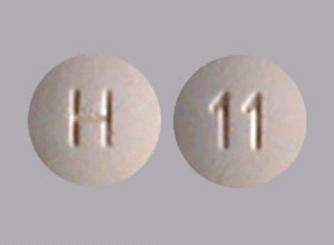
It is not easy to find an answer to the question, “Does Repaglinide really treat diabetes?”
The reason behind this is positive advocacy by pharmacists for any medicine that is funded by Big Pharma. So, you really do not come to know the truth.
Nonetheless, BestDietarySupplementforDiabetics research staff offers an insight into this tiny tablet that promises to stop your sweet tooth from doing any serious health damage. It is termed “Repaglinide!”
Let’s find out the truth:
Contents of the Article:
1) Tough Choices Need Tough Sacrifices
2) What Exactly Is Repaglinide?
3) The Science Behind Repaglinide: Does It Really Work?
4) How Does Repaglinide Compare to Other Diabetes Medications?
- Repaglinide vs. Metformin:
- Repaglinide vs. Sulfonylureas:
- Repaglinide vs. DPP-4 Inhibitors:
5) The Pros and Cons of Using Repaglinide
6) FAQs on Repaglinide for Treating Diabetes
6) Who Should Consider Repaglinide?
- You Struggle with Post-Meal Blood Sugar Spikes
- You’re Looking for a Flexible Medication
- You’re Concerned About Hypoglycemia
- Talk to Your Doctor
7) How to Take Repaglinide Safely?
- Take it Before Meals
- Monitor Your Blood Sugar Levels
- Watch for Side Effects
- Talk to Your Doctor
8) The Bottom Line: Is Repaglinide Really Effective for Controlling Diabetes?
Tough Choices Need Tough Sacrifices
When it comes to managing type 2 diabetes, the choices can feel like an overwhelming buffet—except, instead of delicious treats, you are faced with a smorgasbord of medications, each promising to help keep your blood sugar levels in check.
Among these is Repaglinide, a fast-acting oral medication that has been making waves in the diabetes community.
But is Repaglinide really the superhero your pancreas has been waiting for, or is it just another face in the crowd?
Let us dive into the science and see if Repaglinide can live up to the hype:
What Exactly Is Repaglinide?
Before we get into whether Repaglinide is worth your time, let’s start with the basics.
Repaglinide is a member of the meglitinide class of drugs, which are specifically designed to help people with type 2 diabetes.
Unlike insulin, which directly lowers blood glucose levels, Repaglinide works by stimulating your pancreas to release insulin when you need it most—right after you eat.
Here is where it gets interesting: Repaglinide works quickly. We’re talking super-fast, like that friend who’s always the first to respond to your group chat.
When you take Repaglinide before a meal, it prompts your pancreas to release a surge of insulin, helping to control that post-meal blood sugar spike that can be so tricky to manage.
The Science Behind Repaglinide: Does It Really Work?
Now, onto the million-dollar question: Is Repaglinide really effective for controlling diabetes?
The answer is a resounding “yes,” backed by several studies.
A study published in the journal Diabetes Care found that Repaglinide significantly reduced postprandial (post-meal) blood glucose levels compared to a placebo.
In this study, participants who took Repaglinide experienced a reduction in their HbA1c levels (a key marker for long-term blood sugar control) by an average of 1-2%—a substantial improvement that can make a big difference in managing diabetes over the long term.
Another study published in The Lancet compared Repaglinide to other diabetes medications, including Metformin.
The researchers found that Repaglinide was particularly effective at controlling post-meal blood sugar spikes, which is crucial for preventing the long-term complications of diabetes, such as cardiovascular disease.
How Does Repaglinide Compare to Other Diabetes Medications?
Okay, so Repaglinide works—but how does it stack up against other diabetes medications?
Let’s do a quick comparison:
Repaglinide vs. Metformin:
Metformin is often the first line of treatment for type 2 diabetes, and for good reason—it is effective, has a low risk of causing hypoglycemia (low blood sugar), and even offers some cardiovascular benefits.
However, Metformin isn’t particularly good at controlling post-meal blood sugar spikes, which is where Repaglinide shines.
For those who struggle with high post-meal glucose levels, Repaglinide can be a valuable addition to their treatment regimen.
Repaglinide vs. Sulfonylureas:
Sulfonylureas, like glipizide and glyburide, are another class of oral diabetes medications that work by stimulating insulin release.
However, sulfonylureas tend to have a longer duration of action, which means they can cause hypoglycemia if you miss a meal or don’t eat enough.
Repaglinide, on the other hand, is short-acting and only works when you need it, reducing the risk of hypoglycemia.
Repaglinide vs. DPP-4 Inhibitors:
DPP-4 inhibitors, such as sitagliptin (Januvia), are newer diabetes medications that help increase insulin production and decrease glucose production in the liver.
While they are effective and have a low risk of hypoglycemia, they are often more expensive than Repaglinide and may not be as effective at controlling post-meal blood sugar spikes.
The Pros and Cons of Using Repaglinide
No medication is perfect, and Repaglinide is no exception.
Here is a breakdown of the pros and cons to help you decide if it is right for you:
Pros:
- Fast-Acting: Repaglinide works quickly, making it ideal for controlling post-meal blood sugar spikes.
- Flexible Dosing: You can take Repaglinide just before meals, so if you skip a meal, you can skip the dose without worrying about low blood sugar.
- Lower Risk of Hypoglycemia: Compared to other medications like sulfonylureas, Repaglinide has a lower risk of causing dangerously low blood sugar levels.
Cons:
- Frequent Dosing: Since Repaglinide is short-acting, you’ll need to take it multiple times a day—usually before each meal.
- Potential Weight Gain: Like many diabetes medications that stimulate insulin release, Repaglinide can lead to weight gain in some individuals.
- Cost: While not as expensive as some newer medications, Repaglinide can still be pricier than generic Metformin.
Who Should Consider Repaglinide?
Repaglinide is not the right choice for everyone, so who should consider it?
Here are a few scenarios where Repaglinide might be particularly beneficial:
You Struggle with Post-Meal Blood Sugar Spikes:
If your blood sugar tends to go on a wild rollercoaster ride after meals, Repaglinide might just be the control you need!
This little pill works fast, helping to smooth out those pesky post-meal spikes, so you can enjoy your food without worrying about your glucose levels skyrocketing.
Think of it as your quick-acting sidekick, stepping in to keep things balanced right when you need it most.
You’re Looking for a Flexible Medication:
Got an unpredictable schedule or sometimes miss a meal? No worries! Repaglinide’s flexible dosing has got your back.
This handy medication adjusts to your routine, letting you skip a dose if you skip a meal—no stress, just smooth blood sugar control that fits your lifestyle perfectly.
It’s like having a personalized plan that works around your day, not the other way around!
You’re Concerned About Hypoglycemia:
If you’re at risk of low blood sugar—especially if you’re older or have irregular eating habits—Repaglinide’s quick action can be a real lifesaver.
Its short duration means it works when you need it and steps back when you don’t, making it a safer choice for keeping your levels in check without the worry of unexpected lows.
It’s like having a safety net that knows just when to catch you!
You’re Already on Other Diabetes Medications:
You can pair Repaglinide with other diabetes medications, like Metformin, for even better blood sugar control.
This combo approach helps tackle glucose levels from multiple angles, giving you more comprehensive management.
It’s like having a tag team in your corner, working together to keep your blood sugar in check!
How to Take Repaglinide Safely?
If you and your healthcare provider decide that Repaglinide is the right choice for managing your type 2 diabetes caused by insulin resistance, it is essential to understand how to use it safely and maximize its benefits.
Repaglinide is part of the meglitinide class of medications that work by stimulating the pancreas to release insulin in response to meals. To ensure optimal effectiveness and minimize risks, here are some key practices to follow:
1. Always Take Repaglinide Before Meals:
Repaglinide is most effective when taken 15 to 30 minutes before eating. It helps control post-meal blood sugar spikes by mimicking the body’s natural insulin response.
However, if you skip a meal, you should also skip the dose—taking it on an empty stomach can cause dangerously low blood sugar (hypoglycemia).
2. Consistently Monitor Blood Glucose:
Frequent monitoring, especially during the first few weeks, helps determine how your body is responding. Use a glucose meter to track patterns, particularly after meals.
This feedback helps your doctor fine-tune your dose and schedule. Continuous glucose monitoring (CGM) can offer even more precise insights for those with fluctuating blood sugar levels.
3. Be Aware of Side Effects and Interactions:
Mild side effects can include headaches, chronic inflammation, joint pain, or an upper respiratory infection. More concerning is hypoglycemia, particularly if meals are delayed or skipped. Symptoms include dizziness, shakiness, or sweating.
Carry a fast-acting glucose source like glucose tablets or juice to quickly reverse symptoms if needed. Also, inform your provider of all other medications you take—some antibiotics and antifungals can increase Repaglinide’s potency.
4. Communicate Regularly with Your Healthcare Provider:
Routine follow-ups with a nutritional counsellor are crucial for monitoring kidney and liver function, adjusting dosage, and discussing any side effects.
Your provider may also recommend periodic HbA1c testing to assess long-term glucose control.
By following these steps, you can safely integrate Repaglinide into your diabetes management plan while minimizing risks and maximizing blood sugar control.
FAQs on Repaglinide for Treating Diabetes:
Q-1: What is Repaglinide and how does it work for diabetes?
A-1: Repaglinide is an oral medication used to manage Type 2 diabetes, especially for controlling blood sugar spikes after meals. It works by stimulating the pancreas to release insulin quickly when you eat. Unlike long-acting drugs,
Repaglinide acts fast and has a short duration, making it ideal for targeting post-meal glucose levels. In the United States, managing postprandial (after-meal) blood sugar is a key focus, as nearly 70% of glucose fluctuations in Type 2 diabetes occur after eating.
By improving insulin response at the right time, Repaglinide helps maintain better overall glucose control throughout the day.
Q-2: Does Repaglinide really work for Type 2 diabetes management?
A-2: Yes, Repaglinide is effective for many people with Type 2 diabetes, particularly those who struggle with post-meal blood sugar spikes. It can reduce HbA1c levels by about 0.5% to 1.5%, depending on the individual and how consistently it is used.
In the U.S., where over 37 million people live with diabetes, medications like Repaglinide play an important role in personalized treatment plans. While it may not be the first-line drug for everyone, it is especially useful for patients who need flexible dosing around meals. Its effectiveness depends on proper timing, diet, and overall lifestyle habits.
Q-3: How quickly does Repaglinide lower blood sugar?
A-3: Repaglinide works rapidly, usually starting to lower blood sugar within 30 minutes of taking it. This makes it highly effective for controlling glucose spikes right after meals. It is typically taken before eating, allowing it to match the body’s natural insulin response.
Fast-acting medications like Repaglinide are particularly helpful in preventing sharp rises in blood sugar, which can damage organs such as the heart, kidneys, and nerves over time. In a fast-paced lifestyle like that of many Americans, this quick action offers both convenience and better control of daily glucose fluctuations.
Q-4: Can Repaglinide replace insulin therapy?
A-4: Repaglinide cannot fully replace insulin therapy, especially for individuals with Type 1 diabetes. However, in people with Type 2 diabetes who still produce some insulin, it can reduce the need for insulin injections or delay their use.
In the U.S., many patients use a combination of medications to achieve optimal control, and Repaglinide is often part of such strategies. It works best when the pancreas still has the ability to produce insulin. For advanced cases where insulin production is severely reduced, insulin therapy remains essential.
Q-5: What are the side effects of Repaglinide?
A-5: The most common side effect of Repaglinide is low blood sugar (hypoglycemia), especially if meals are skipped after taking the medication. Other possible side effects include weight gain and mild digestive discomfort.
In the U.S., about 10–15% of users may experience hypoglycemia, particularly if dosing is not properly aligned with meals. Because it directly stimulates insulin release, careful monitoring of blood sugar levels is important. Most side effects can be managed with proper guidance from a healthcare provider and by maintaining consistent eating habits.
Q-6: Is Repaglinide safe for long-term use?
A-6: Repaglinide is generally considered safe for long-term use when taken as prescribed. It has been used for many years in diabetes management and is well-studied. However, like all medications, it requires regular blood sugar monitoring to ensure effectiveness and safety.
Long-term diabetes management in the U.S. emphasizes maintaining stable blood sugar levels to prevent complications affecting the eyes, kidneys, and cardiovascular system. When combined with a healthy lifestyle, Repaglinide can be a reliable part of a long-term treatment plan.
Q-7: How does Repaglinide compare to Metformin?
A-7: Repaglinide and Metformin work in different ways. Metformin reduces glucose production in the liver and improves insulin sensitivity, while Repaglinide stimulates insulin release from the pancreas. In the U.S., Metformin is usually the first-line treatment, but Repaglinide is often added when additional control is needed.
Repaglinide is particularly effective for post-meal glucose spikes, whereas Metformin works more broadly throughout the day. Many patients benefit from using both medications together for a more comprehensive approach to blood sugar management.
Q-8: When should you take Repaglinide for best results?
A-8: Repaglinide should be taken 15 to 30 minutes before meals to achieve the best results. This timing ensures that insulin is released when food enters the bloodstream, helping to control post-meal spikes. If a meal is skipped, the dose should also be skipped to avoid hypoglycemia.
In the U.S., structured meal timing is often recommended for people using this medication. Proper timing is crucial because the drug’s effectiveness depends heavily on aligning with eating patterns. Consistency in both medication and meals leads to better outcomes.
Q-9: Does Repaglinide cause weight gain?
A-9: Repaglinide may cause mild weight gain in some individuals because it increases insulin levels, which can promote fat storage. However, the amount of weight gain is usually modest and can be managed with proper diet and physical activity.
In the U.S., where over 40% of adults are affected by obesity, weight management is an important consideration in diabetes care. Combining Repaglinide with healthy eating and regular exercise can help minimize this side effect while still achieving good blood sugar control.
Q-10: Who should consider using Repaglinide?
A-10: Repaglinide is a good option for individuals with Type 2 diabetes who experience significant blood sugar spikes after meals and still have some insulin production. It is especially useful for people who prefer flexible dosing based on meal patterns.
In the U.S., personalized treatment plans are becoming more common, and medications like Repaglinide fit well into this approach. However, it may not be suitable for everyone, particularly those with advanced diabetes or certain medical conditions. Consulting a healthcare provider is essential to determine if it is the right choice.
The Bottom Line
So, is Repaglinide really effective for controlling diabetes?
The evidence suggests that it is—particularly for people who struggle with post-meal blood sugar spikes. Its fast-acting nature, flexible dosing, and lower risk of hypoglycemia make it a valuable tool in the diabetes management toolkit.
However, like all medications, Repaglinide isn’t without its downsides. It requires multiple doses throughout the day, can lead to weight gain, and may not be the best choice for everyone.
But for those who need quick control over post-meal glucose levels and want to avoid the risks of hypoglycemia, Repaglinide could be the right fit.
As always, the best way to determine if Repaglinide is right for you is to have a conversation with your healthcare provider.
They can help you weigh the pros and cons and decide on the best treatment plan to keep your diabetes under control.
You might like to club it with the best diabetes supplement to get the best results.
So, whether you’re new to the world of diabetes medications or just looking to switch things up, Repaglinide might just be the fast-acting, flexible solution you’ve been searching for.
References:

admin
All Posts