
If you have type 2 diabetes and have done some research on alpha lipoic acid dosage, you have probably come across recommendations of 300 mg to 1,200 mg a day.
But there’s one question that seems to get overlooked:
How much alpha lipoic acid should you actually take for type 2 diabetes?
The problem is that there is no established alpha lipoic acid dose that’s been officially recommended as treatment for diabetes.
Various studies have examined doses of 300, 600, 900 and 1,200 mg per day, but that doesn’t make any one of them the “best” option for managing blood sugar or diabetes.
There is also a crucial difference between using alpha lipoic acid for blood sugar control and diabetic peripheral neuropathy (nerve damage), the latter of which has more positive results in research.
So rather than asking “how many grams of alpha lipoic acid should I take?”, perhaps a better set of questions would be:
- What can alpha lipoic acid actually do?
- Will it lower blood sugar?
- What doses have actually been studied?
- Would 600 mg a day be enough?
- Is 1,200 mg better?
- Can it help with diabetic nerve pain?
- Are there any side effects?
- Will it interfere with my diabetes medication?
This guide will answer these questions based on the research.
| Question | Short answer |
|---|---|
| Is there an established ALA dose for type 2 diabetes? | No |
| Is 600 mg a standard diabetes dose? | No — it is commonly studied for diabetic neuropathy |
| Has ALA consistently lowered blood sugar? | No |
| Has ALA consistently lowered HbA1c? | Evidence is mixed |
| Can it help diabetic neuropathy symptoms? | Some evidence suggests it may |
| Is 1,200 mg the maximum dose? | No established diabetes-specific maximum |
| Should it replace diabetes medication? | No |
Article Index
- What Is Alpha Lipoic Acid?
- Alpha Lipoic Acid vs Alpha-Linolenic Acid
- Can Alpha Lipoic Acid Lower Blood Sugar?
- What Does the Research Say About Alpha Lipoic Acid and Type 2 Diabetes?
- How Many Grams of Alpha Lipoic Acid Have Been Studied?
- What About 300 mg of Alpha Lipoic Acid?
- What About 600 mg of Alpha Lipoic Acid?
- What About 900 mg of Alpha Lipoic Acid?
- What About 1,200 mg of Alpha Lipoic Acid?
- Alpha Lipoic Acid for Diabetic Neuropathy
- Alpha Lipoic Acid and Insulin Resistance
- Does Alpha Lipoic Acid Lower HbA1c?
- How Does Alpha Lipoic Acid Work?
- Alpha Lipoic Acid Food Sources
- Alpha Lipoic Acid Supplements vs Food
- Alpha Lipoic Acid Side Effects
- Alpha Lipoic Acid and Diabetes Medication
- What About Kidney Disease?
- What Is the Best Time to Take Alpha Lipoic Acid?
- Can Alpha Lipoic Acid Replace Metformin or Diabetes Medication?
- Frequently Asked Questions
- Bottom Line
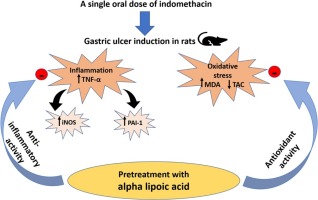
What Is Alpha Lipoic Acid?
Alpha lipoic acid (ALA) is a naturally-occurring compound involved in mitochondrial energy metabolism.
Your body makes alpha lipoic acid, and it is also found in naturally-occurring foods in trace amounts.
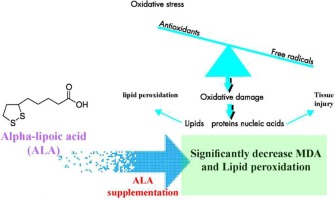
Alpha lipoic acid is also a potent antioxidant.
That is one reason researchers have investigated it for several health conditions, including diabetes and diabetic neuropathy.
But here’s the thing.
ALA is not an established replacement for diabetes drugs.
It’s a supplement that has been investigated for multiple aspects of diabetes, including blood sugar, insulin resistance, and diabetic neuropathy.
The results are mixed.
Some areas have stronger evidence than others.
Alpha Lipoic Acid vs Alpha-Linolenic Acid
This is an easy mistake to make while researching supplements.
Alpha lipoic acid and alpha-linolenic acid are two entirely different substances.
Alpha lipoic acid is an antioxidant compound that plays a part in energy metabolism.
Alpha-linolenic acid is an omega-3 fatty acid that can be found in whole grains, seeds, nuts and some leafy vegetables. It is present in foods such as flaxseed, chia seeds and walnuts, among others.
Both substances are sometimes abbreviated as ‘ALA,’ which can cause confusion.
If you are looking for information about alpha lipoic acid for diabetes, double-check that you are getting the right information about alpha-lipoic acid, and not alpha-linolenic acid.
Can Alpha Lipoic Acid Lower Blood Sugar?
This is where the answer starts becoming more nuanced.
Some clinical trials and meta-analyses have found improvements in measures such as fasting glucose, insulin sensitivity or HbA1c with alpha lipoic acid supplementation. However, other systematic reviews have found no significant benefit for blood sugar control.
As such, alpha lipoic acid cannot be considered an established treatment for lowering blood sugar.
The evidence is conflicting.
One review of randomized controlled trials found improvements in several metabolic endpoints across the studies. However, the magnitude of those improvements was generally modest and did not necessarily reach a clinically important level.
Another systematic review and meta-analysis published shortly afterwards concluded that alpha lipoic acid was no better than placebo for most outcomes, including glycemic control.
The difference between statistical significance and clinical significance is important, in that a given intervention may show a demonstrable benefit in a controlled research setting, but the degree of benefit might be insufficient to justify the intervention outside of that setting.
So, can alpha lipoic acid lower blood sugar?
Possibly in some circumstances, but it has not been proven to be effective in controlling blood sugar in type 2 diabetic patients.
It should not be used as a substitute for prescribed diabetes treatment.
What Does the Research Say About Alpha Lipoic Acid and Type 2 Diabetes?
Evidence from clinical trials of the effects of alpha lipoic acid on patients with type 2 diabetes is inconsistent.
Trials have evaluated the effect of alpha lipoic acid on:
- fasting blood glucose
- postprandial blood glucose
- HbA1c
- insulin levels
- insulin resistance
- body weight
- cholesterol
- triglycerides
- oxidative stress
- diabetic neuropathy
There is insufficient evidence from clinical trials to conclude that alpha lipoic acid is an effective treatment for patients with type 2 diabetes.
A helpful way to think about this issue is to consider the following:
| Outcome | What research suggests | How confident should readers be? |
|---|---|---|
| Fasting glucose | Mixed results | Limited |
| HbA1c | Mixed/modest findings | Limited |
| Insulin resistance | Some improvements in markers | Inconclusive |
| Diabetic neuropathy | Some evidence of symptom improvement | Mixed |
| Weight | Small/inconsistent effects | Limited |
| Cholesterol/triglycerides | Inconsistent | Limited |
How Many Grams of Alpha Lipoic Acid Have Been Studied?
You will see alpha lipoic acid doses expressed in milligrams (mg) rather than grams.
Here is the conversion:
| Alpha lipoic acid | Grams |
|---|---|
| 300 mg | 0.3 g |
| 600 mg | 0.6 g |
| 900 mg | 0.9 g |
| 1,200 mg | 1.2 g |
Clinical research utilized varying dosages depending on the condition being studied.
The key point is:
These research dosages should not be extrapolated as a suggested or recommended dosage for type 2 diabetes.
Specifically, 600 mg per day has been thoroughly researched in diabetic neuropathy studies, which is a completely different application than suggesting that every person with type 2 diabetes should be taking 600 mg of alpha lipoic acid to lower blood sugar levels.
What About 300 mg of Alpha Lipoic Acid?
A 300 mg dose would equal 0.3 grams.
You might see 300 mg products that suggest a relatively modest dose of alpha lipoic acid.
However, there is no official diabetes recommendation saying that 300 mg is the correct starting dose for controlling blood sugar.
If someone is considering an ALA supplement, what amount is right depends on why they want to take it, other medications and supplements, health conditions and individual circumstances.
The mistake is in thinking that
“300 mg is lower, therefore it must be appropriate for everyone.”
Lower doses are not automatically appropriate and higher doses are not necessarily better.
What About 600 mg of Alpha Lipoic Acid for Diabetes?
A dose of 600 mg contains 0.6 grams.
You will most likely come across this dosage frequency when reading through alpha lipoic acid and diabetic neuropathy research, as it is studied very often, especially for symptoms such as diabetic nerve pain, burning and abnormal sensations.
That is why you will see 600 mg being mentioned so much in the context of ALA.
However, there is a crucial difference:
600 mg is a commonly researched dose in the context of diabetic neuropathy, not an established blood-sugar treatment dosage for everyone who has type 2 diabetes.
If your primary goal is to lower fasting glucose or HbA1c, you should not expect that simply taking 600 mg of ALA will yield clinically relevant results.
What About 900 mg of Alpha Lipoic Acid?
A 900 mg dose would contain 0.9 grams.
Some studies have also examined doses above 600 mg, but that does not mean 900 mg is necessarily the best dose for someone with type 2 diabetes.
There is an obvious supplement assumption here, and it is that if 600 mg may be helpful, then 900 mg would be even better.
That logic does not always hold true. With supplements as well as medications, increasing the dose can increase exposure to side effects without necessarily producing a greater benefit.
What About 1,200 mg of Alpha Lipoic Acid for Diabetes?
A dose of 1,200 mg equals 1.2 grams.
This amount has been tested in clinical studies, including those related to diabetic neuropathy.
However, 1,200 mg should not be treated as an established upper limit or a ‘perfect’ dose for people with type 2 diabetes.
There is no specific diabetes-related rule stating that:
“1,200 mg is the maximum permissible dose and everyone should stay at or below that level.”
Similarly, there is no evidence that 1,200 mg is better than 600 mg at controlling blood sugar.
Higher-dose supplementation should be discussed with a qualified healthcare professional, especially if you take any other medications or have other medical conditions.
Alpha Lipoic Acid for Diabetic Neuropathy
This is one area where alpha lipoic acid is actually worth closer attention.
Diabetic peripheral neuropathy can include the following symptoms:
- Burning feet
- Tingling
- Numbness
- Shooting/stabbing pain
- Heightened sensitivity
- Uncomfortable sensations in the legs or feet
There have been research studies that have examined alpha lipoic acid as a means of reducing some of the symptoms of diabetic peripheral neuropathy, with a few systematic reviews and meta-analyses suggesting possible benefits with 600 mg daily, but the results are not totally consistent.
The 2026 ADA Standards of Care emphasize glucose, weight, and blood pressure/lipid control to prevent or slow progression of neuropathy. For treatment of painful diabetic neuropathy the ADA’s 2026 recommendations for initial pharmacologic therapy include multiple classes of medication, but not alpha lipoic acid.
Alpha lipoic acid may be discussed as a potential adjunct in some cases, but it should not be presented as a replacement for standard diabetic neuropathy care.
And if you’re experiencing burning feet, tingling, numbness, or pain you shouldn’t just assume it is diabetic neuropathy either, as there are other causes of neuropathy that require different treatment.
Alpha Lipoic Acid and Insulin Resistance
Another popular reason for alpha-lipoic acid usage is insulin resistance.
Studies in this area report improvements in terms of:
- Fasting insulin
- HOMA-IR
- Insulin sensitivity
It is biologically plausible since insulin resistance underlies type 2 diabetes.
However, improving a laboratory abnormality is not the same thing as treating the disease itself.
Some studies suggest that alpha lipoic acid may improve certain markers associated with insulin resistance, but this does not establish that it can reverse insulin resistance or change the course of type 2 diabetes.
Does Alpha Lipoic Acid Lower HbA1c?
HbA1c is one of the most important measures used to estimate average blood glucose over approximately the last two to three months.
This is a much more informative question than simply asking whether ALA lowers blood sugar.
And the evidence is mixed.
Some meta-analyses have reported modest reductions in HbA1c with ALA.
Other reviews have not found a significant advantage over a placebo.
One dose-response analysis found statistically significant changes, but concluded that the magnitude of the effects was below thresholds considered clinically significant.
Therefore, ALA should not be taken solely with the expectation that it will lower HbA1c.
If your HbA1c is over your target range, the first thing you should do is work with your healthcare team on established strategies that include dietary change, physical activity, weight management where applicable, glucose monitoring and any prescribed medication.
How Does Alpha Lipoic Acid Work?
Alpha lipoic acid takes part in mitochondrial energy metabolism.
Moreover, it has antioxidant properties and can participate in the regeneration of other antioxidant systems.
Researchers suppose that these properties may explain why ALA has been investigated in conditions involving oxidative stress.
Diabetes can involve increased oxidative stress, which has led researchers to investigate whether antioxidant compounds such as ALA might have beneficial effects.
But a plausible biological mechanism does not automatically prove a clinical benefit.
That is an important rule to remember when evaluating supplements.
“It has an antioxidant effect” does not automatically mean “it will lower my blood sugar.”
Alpha Lipoic Acid Food Sources
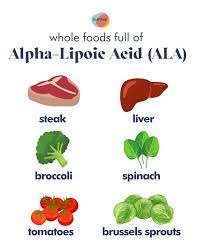
Alpha lipoic acid is found in trace amounts in food.
It occurs naturally in small amounts in foods such as organ meats, some meats and certain vegetables.
However, the amount that can be obtained from food is much smaller and more variable than the amounts typically used in supplement studies.
This is another reason not to confuse alpha lipoic acid with alpha-linolenic acid.
As for overall diabetes nutrition, it is probably best to focus on a varied diet that includes vegetables, legumes, whole grains, nuts, seeds, lean protein and other minimally processed foods rather than trying to get supplement-level amounts of ALA from food.
For example, flaxseed can be a useful food to consider as part of an overall diabetes-friendly eating pattern. If you’re interested in the amount and potential benefits, see our guide on how much flaxseed to eat for type 2 diabetes.
Alpha Lipoic Acid Supplements vs Food
There is an important difference between obtaining nutrients and compounds in a daily diet and taking concentrated supplements.
A supplement can provide hundreds of milligrams of a compound in a single serving.
Food typically provides significantly smaller amounts of a compound.
That does not necessarily make the supplement superior.
Just different exposure levels.
And when exposure levels rise, questions about dose, side effects, medication interactions and individual suitability become more pertinent.
This is also why I would not combine several diabetes supplements just because each one has been associated with possible benefits in a given study.
If you’re considering multiple supplements for diabetes, it’s better to look at the evidence for each one individually. For example, you can also review how much chromium is used in studies of type 2 diabetes before deciding whether it belongs in your supplement routine.
If you’re considering other supplements for diabetes, it’s also worth looking at the evidence around how much magnesium you need for type 2 diabetes rather than assuming that adding more supplements will automatically provide greater benefits.
Alpha Lipoic Acid Side Effects
Alpha lipoic acid is generally well tolerated, but “Natural does not mean free of side effects.”
Reported side effects include:
- Nausea
- Heartburn
- Vomiting
- Headache
- Stomach or digestive discomfort
Larger doses may increase the risk of side effects.
If you are having any negative or severe symptoms after taking an ALA supplement, stop and consult a healthcare professional instead of trying to cut back or increase your dosage.
Alpha Lipoic Acid and Diabetes Medication
This is especially important if you already take medication to lower blood glucose.
Alpha lipoic acid may have an impact on glucose metabolism, whereas diabetes medications are intended to reduce blood glucose.
As a result, combining supplements with prescription drugs may necessitate additional caution.
Do not adjust insulin, metformin, sulfonylureas, GLP-1 medications, or any other prescribed diabetes medication simply because you have started taking ALA.
Furthermore, do not use a supplement as a justification for reducing or discontinuing prescribed medication.
If you take diabetes medication and want to add ALA, discuss the combination with your doctor or pharmacist.
When comparing different supplements, it is also a good idea to review our guide on how to choose a safe diabetes supplement before adding another item to your regimen.
What About Kidney Disease?
If you have chronic kidney disease, reduced kidney function, diabetes complications, or take several medications, discuss ALA with your doctor or pharmacist before starting a supplement.
Kidney disease can affect how your healthcare team evaluates medications and supplements, and people with multiple health conditions may have more potential for interactions.
Particularly if you already take a number of different supplements.
What Is the Best Time to Take Alpha Lipoic Acid?
You may have noticed that some recommendations suggest that alpha lipoic acid should be taken on an empty stomach.
Some studies that looked at how ALA affects blood sugar in people with type 2 diabetes used protocols in which the acid was taken while fasting, and food does affect absorption.
The fact that some studies used fasting administration does not establish that taking ALA while fasting produces better diabetes outcomes.
A good approach is to follow the manufacturers’ recommendations and the advice of your healthcare professional.
If the product you are using causes stomach upset when taken on an empty stomach, talk to your doctor about other approaches.
Can Alpha Lipoic Acid Replace Metformin or Diabetes Medication?
No.
This is one of the most crucial points of this whole article.
Alpha lipoic acid has not been proven to be an alternative to metformin, insulin, or any other prescribed diabetes medication.
A medication can be tested for a certain metabolic process, but that does not mean it is an official treatment for diabetes.
If your blood sugar is not within your target range, the answer is not just to keep increasing your dosage of alpha lipoic acid.
Seek help from your doctor on what to do if your glucose levels are rising and maybe your current treatment plan needs some adjusting.

Frequently Asked Questions:
How much alpha lipoic acid should I take for type 2 diabetes?
There is no universally established alpha lipoic acid dose for treating blood sugar in type 2 diabetes.
Clinical research has used different doses, including 300 mg, 600 mg, 900 mg and 1,200 mg per day but research doses should not be automatically considered as personal recommendations.
What is the difference between alpha lipoic acid and alpha-linolenic acid?
They are two completely different substances. Alpha lipoic acid is an antioxidant compound involved in energy metabolism and is available as a dietary supplement.
Alpha-linolenic acid (ALA) is an omega-3 fatty acid found in foods such as flaxseed, chia seeds and walnuts. Although both are abbreviated as “ALA,” they have different structures, functions and health effects.
Is 600 mg of alpha lipoic acid good for diabetes?
600 mg is one of the most frequently studied doses of ALA, especially for diabetic peripheral neuropathy.
However, it is not an established universal dose for controlling blood sugar in type 2 diabetes.
Can alpha lipoic acid lower fasting blood sugar?
Some studies have shown reductions in fasting glucose but the overall evidence is inconsistent.
ALA should not be regarded as a reliable blood-sugar-lowering treatment.
Does alpha lipoic acid lower HbA1c?
Research results are mixed: some analyses have shown modest reductions whereas others have shown no significant benefit.
More importantly, statistically significant changes do not necessarily translate into clinically important improvements.
Is 1,200 mg of alpha lipoic acid safe?
1,200 mg has been part of clinical research but that is not synonymous with it also being appropriate for everyone.
There is no universal diabetes-specific dose that can be described as the correct maximum for all people.
Higher doses should be considered only under professional guidance.
How long does alpha lipoic acid take to work?
The answer depends on what you are trying to change.
Short-term metabolic studies and longer-term neuropathy studies have differing treatment periods and there is no guaranteed timeline for lowering blood sugar with ALA.
With regard to diabetic neuropathy, studies have largely looked at the effects of symptoms over weeks or months as opposed to looking for an immediate effect.
Can alpha lipoic acid help diabetic nerve pain?
Some clinical research suggests that ALA may reduce symptoms of diabetic peripheral neuropathy (pain, tingling), but the evidence is not entirely consistent and ALA is not the only treatment option.
Is alpha lipoic acid an antioxidant?
Yes, alpha lipoic acid has antioxidant properties and participates in several metabolic processes.
That does not mean that every person taking an ALA supplement will necessarily have a discernible health benefit.
Can alpha lipoic acid improve insulin resistance?
Some research suggests possible improvements in insulin-related markers (HOMA-IR, insulin levels) but this should not be interpreted as being proof that ALA reverses insulin resistance.
Should I take alpha lipoic acid with chromium?
The evidence to recommend combining supplements simply because both have been studied for diabetes is lacking.
Do not assume that combining two supplements will result in an additive benefit.
If you are already combining several products, review the full list with your doctor or pharmacist.
Can alpha lipoic acid replace diabetes medicine?
No, do not stop, reduce or replace prescribed diabetes medication with alpha lipoic acid, unless your healthcare professional specifically instructs you to do so.
Is alpha lipoic acid the same as flaxseed ALA?
No, alpha lipoic acid is a compound involved in mitochondrial metabolism whereas alpha-linolenic acid is an omega-3 fatty acid found in foods such as flaxseed.
They are completely different substances.
What is the safest way to use alpha lipoic acid?
The safest way is to first determine why you want to take it.
If your goal is blood sugar control, speak with your healthcare professional about the evidence and available treatment options.
If your goal is managing diabetic neuropathy symptoms, discuss the available treatment options and whether ALA is appropriate for you.
Avoid automatically increasing the dose because a lower dose did not deliver the result you were hoping for.
Bottom Line
If you are asking “How many grams of alpha lipoic acid should I be taking for type 2 diabetes?” one answer is not going to be precise enough.
It is not currently supported to recommend or prescribe any specific amount of alpha lipoic acid for control of blood sugar in people with type 2 diabetes.
If your main goal is improving blood sugar rather than treating a specific supplement deficiency, it’s worth focusing on proven lifestyle and diabetes-management strategies first. You can also read our guide on how to lower blood sugar naturally for a broader look at diet, physical activity and other practical approaches.
Studies have used a range of 0.3 g (300 mg) to 1.2 g (1,200 mg) per day, depending on the condition, study design and treatment protocol.
In terms of effectiveness, the results are conflicting.
Some clinical trials and systematic reviews suggest that ALA may improve certain symptoms of diabetic peripheral neuropathy, particularly at doses around 600 mg per day, although the evidence is not entirely consistent.
So instead of asking
“What is the biggest dose I can take?”
perhaps you should ask
“Why am I taking alpha lipoic acid, what is the evidence for what I am taking it for, and will it mix well with the other medicines I am on and my general health?”
That sounds like a much safer question than trying to find out how much you can get away with taking.
Important Disclaimer:
This web page is for educational purposes only and is not intended to provide medical advice. Supplementation with alpha lipoic acid should not replace any medical treatment for diabetes. If you have diabetes, have glucose lowering therapy, have kidney disease or other medical conditions or are contemplating the use of high dose supplementation, please consult with your physician or pharmacist.
References:
- Why trust bestdietarysupplementfordiabetics.com?
- For educational purpose only
- https://www.nccih.nih.gov/health/diabetes-and-dietary-supplements-what-you-need-to-know
- https://www.nccih.nih.gov/health/providers/digest/type-2-diabetes-and-dietary-supplements-science
- https://diabetesjournals.org/care/article/49/Supplement_1/S261/163919/12-Retinopathy-Neuropathy-and-Foot-Care-Standards
- https://pubmed.ncbi.nlm.nih.gov/32184879/
- https://pubmed.ncbi.nlm.nih.gov/36006850/
- https://pubmed.ncbi.nlm.nih.gov/33023059/
- https://pubmed.ncbi.nlm.nih.gov/35065790/
- https://pubmed.ncbi.nlm.nih.gov/35721606/
(Last updated: September 2026)

admin
All Posts