Maintaining stable blood sugar levels is fundamental for good health, particularly for individuals dealing with diabetes or prediabetes.
The Atkins Diet, widely known as a weight loss regimen, has attracted attention for its ability to support blood sugar regulation naturally. By significantly limiting carbohydrate intake, the diet helps reduce the rapid spikes and subsequent crashes in blood glucose that commonly occur with high-carb diets.
This article by bestdietarysupplementfordiabetics.com will thoroughly examine how the Atkins Diet works to stabilize blood sugar, exploring the scientific principles behind it, real-life applications, and the broader health benefits it offers.
Whether you are looking to manage blood sugar more effectively or seeking a natural approach to metabolic health, this comprehensive guide will provide clear, research-backed insights.
Article Index
- Understanding Blood Sugar and Its Importance
- The Fundamentals of the Atkins Diet
- How Carbohydrates Affect Blood Sugar
- The Atkins Diet’s Impact on Blood Sugar Levels
- Scientific Studies Supporting Atkins and Blood Sugar Control
- Benefits Beyond Blood Sugar Stabilization
- Practical Tips for Using the Atkins Diet to Manage Blood Sugar
- Potential Considerations and When to Consult a Healthcare Provider
- Conclusion
Understanding Blood Sugar and Its Importance
Blood sugar, or glucose, serves as the body’s primary energy source. When we consume food, carbohydrates are broken down into glucose, which enters the bloodstream.
This triggers the pancreas to release insulin, a hormone that helps cells absorb glucose for energy or storage. Maintaining balanced blood sugar levels is vital because both excessive and low glucose levels can cause significant health problems.
For example, chronic high blood sugar, known as hyperglycemia, is a defining characteristic of diabetes and can damage organs, nerves, and blood vessels over time. Conversely, low blood sugar, or hypoglycemia, can lead to dizziness, fainting, and cognitive impairment. Stabilized blood sugar supports consistent energy, mood regulation, and optimal metabolic function.
Imagine a person eating a large plate of pasta and bread for lunch. Their blood sugar spikes rapidly, causing a surge in insulin to bring glucose into the cells.
Shortly afterward, the blood sugar may dip sharply, leading to feelings of fatigue or hunger, prompting another round of eating and perpetuating the cycle. This rollercoaster effect can be exhausting and harmful over time.
Conversely, a balanced blood sugar level helps maintain steady energy through the day without abrupt hunger or mood swings. This is why a vegan diet is recommended for diabetics.
The Fundamentals of the Atkins Diet
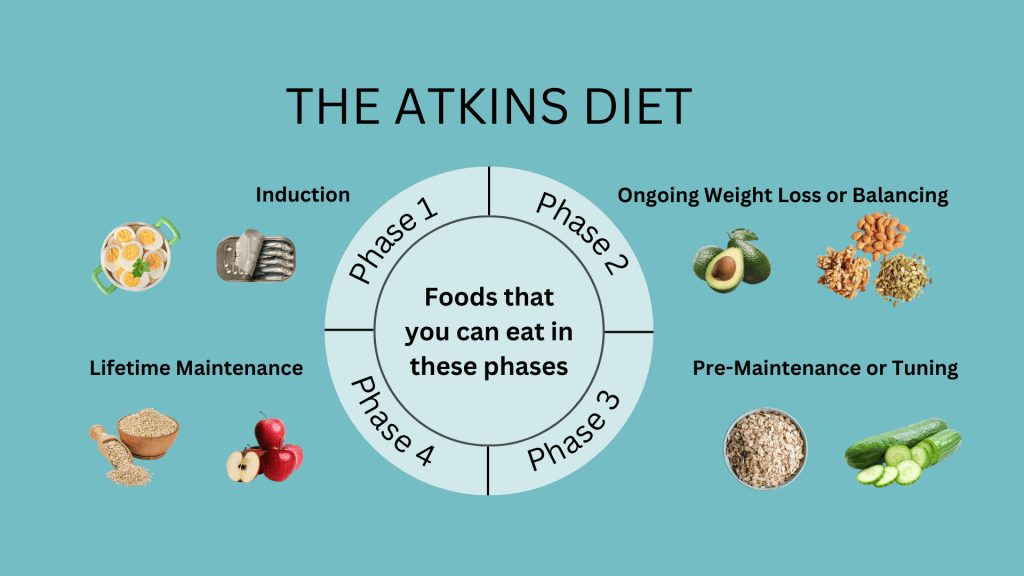
The Atkins Diet was developed by Dr. Robert Atkins in the 1970s and centers on drastically reducing carbohydrate intake while increasing consumption of protein and healthy fats. It consists of four phases: Induction, Balancing, Pre-Maintenance, and Maintenance.
During Induction, carb intake is restricted to less than 20 grams per day, compelling the body to shift from using glucose as its primary fuel to burning fat, a state called ketosis, which produces ketones as an alternative energy source.
For example, during the Induction phase, someone might replace their usual breakfast of cereal and orange juice with scrambled eggs cooked in olive oil, alongside avocado slices and leafy greens. This high-fat, moderate-protein, low-carb meal supports ketosis and blood sugar stability.
As the diet progresses into the Balancing and subsequent phases, carbohydrates are gradually reintroduced in small amounts to determine the individual’s personal carbohydrate tolerance without disrupting blood sugar control or weight loss. This personalized approach allows people to enjoy a wider variety of foods while maintaining metabolic health.
How Carbohydrates Affect Blood Sugar?
Carbohydrates have the most immediate and significant impact on blood sugar levels compared to fats and proteins. When consumed, carbs break down into glucose, quickly entering the bloodstream and causing blood sugar to rise. This rise stimulates insulin release, which facilitates glucose uptake by cells.
However, diets high in refined carbs and sugars lead to rapid blood sugar spikes and subsequent crashes. Over time, frequent spikes contribute to insulin resistance, a condition where cells become less responsive to insulin, increasing the risk of type 2 diabetes.
Consider the impact of drinking a sugary soda versus eating an apple. The soda contains simple sugars that enter the bloodstream rapidly, spiking blood sugar and insulin levels.
By contrast, the apple contains fiber, which slows digestion, leading to a gradual rise in blood sugar. This slower absorption helps avoid drastic highs and lows, supporting more stable glucose levels.
The Atkins Diet’s Impact on Blood Sugar Levels
By limiting carbohydrate intake, the Atkins Diet reduces the amount of glucose entering the bloodstream, thereby minimizing blood sugar spikes.
This dietary shift encourages the body to burn fat for energy through ketosis, producing ketones as an alternative fuel. Ketosis improves insulin sensitivity, meaning the body’s cells respond more effectively to insulin, promoting better blood sugar regulation.
Protein and fat also contribute to blood sugar stability by slowing the digestion process and the release of glucose into the bloodstream. For example, eating grilled chicken with steamed broccoli and olive oil results in a slower, more uniform glucose release than a high-carb meal like a sandwich with white bread.
Real-world examples highlight these effects. In a case study, a middle-aged man with type 2 diabetes who adopted the Atkins Diet saw his fasting blood glucose levels drop from 160 mg/dL to 110 mg/dL within weeks, without increasing his medication. His energy levels improved, and he experienced fewer hypoglycemic episodes.
>>> Want to Learn How I “Treated My Diabetes Naturally” at Home??? Click Here to Find Out! <<<
Scientific Studies Supporting Atkins and Blood Sugar Control
Scientific research supports the Atkins Diet’s effectiveness in blood sugar control. A landmark 2008 study in the Annals of Internal Medicine compared overweight individuals with type 2 diabetes on a low-carbohydrate diet versus a low-fat diet.
The low-carb group experienced significantly better glycemic control and required fewer diabetes medications after six months. This study emphasized that carbohydrate restriction positively affects glucose metabolism beyond weight loss alone.
Another study published in Nutrition & Diabetes in 2014 found that low-carb diets improved insulin sensitivity and reduced HbA1c levels, an important marker of long-term blood sugar control.
Participants on the low-carb regimen showed improved lipid profiles, including increased HDL (good cholesterol) and decreased triglycerides, which often accompany blood sugar dysregulation.
These scientific findings align with patient reports and clinical observations, reinforcing the Atkins Diet as a viable strategy for managing blood sugar naturally.
Benefits Beyond Blood Sugar Stabilization
Beyond stabilizing blood sugar, the Atkins Diet offers multiple health benefits. Weight loss is a significant advantage, as excess body fat, especially around the abdomen, contributes to insulin resistance and diabetes risk. By promoting fat burning, the Atkins Diet helps reduce this risk factor.
The diet’s emphasis on whole, nutrient-dense foods such as leafy greens, nuts, seeds, and healthy fats ensures adequate vitamin and mineral intake, contributing to overall wellness. Unlike some restrictive diets, Atkins allows variety and flexibility, making it sustainable.
Improved insulin sensitivity also supports hormonal balance, which can positively affect mood and energy levels. For example, individuals who switch to Atkins frequently report reduced brain fog and enhanced mental clarity, likely due to stable glucose and the brain’s use of ketones for energy.

Practical Tips for Using the Atkins Diet to Manage Blood Sugar
Starting the Atkins Diet with the Induction phase is crucial for rapid blood sugar stabilization. During this time, keeping carbohydrates under 20 grams per day helps jumpstart ketosis and reduces glucose spikes.
For instance, a typical Induction day might include eggs and bacon for breakfast, a spinach salad with grilled chicken and olive oil for lunch, and salmon with asparagus for dinner.
Focusing on whole foods is essential. Avoid processed low-carb products that may contain hidden sugars or unhealthy fats. Instead, prioritize fresh vegetables, quality proteins, and natural fats like avocado, nuts, and olive oil.
Monitoring blood sugar with a glucometer allows individuals to understand their body’s response to different foods and phases of the diet. For example, someone might note that eating a small serving of berries in the Balancing phase raises their blood sugar more than expected, prompting adjustments.
Hydration and electrolyte balance are important during ketosis because the body excretes more water and salts. Drinking plenty of water and supplementing with magnesium, potassium, and sodium can prevent symptoms like fatigue or muscle cramps.
Carbohydrates should be reintroduced gradually after Induction to identify personal tolerance. For example, adding a small serving of quinoa or sweet potato and monitoring blood sugar response helps maintain control without unnecessary restriction.
Finally, consulting healthcare providers is vital, especially for those on blood sugar-lowering medications. Adjustments may be necessary to avoid hypoglycemia as the diet improves insulin sensitivity.
Potential Considerations and When to Consult a Healthcare Provider
While effective, the Atkins Diet is not suitable for everyone. Individuals with kidney disease should exercise caution due to increased protein intake. Pregnant or breastfeeding women should also seek medical advice before starting any restrictive diet.
Blood sugar medications might require careful adjustment. For example, insulin-dependent diabetics may experience hypoglycemia if medications are not modified in response to improved glucose control. Regular consultation with a healthcare provider ensures safety and efficacy.
Nutrient balance is another consideration. Some individuals may consume excessive saturated fats on Atkins, which could impact heart health. Choosing healthy fats like olive oil, avocados, and nuts is recommended for maintaining cardiovascular benefits alongside blood sugar control.
Listening to one’s body is important. If adverse symptoms such as extreme fatigue, dizziness, or gastrointestinal issues occur, adjusting the diet or seeking professional help is necessary.
Conclusion
The Atkins Diet presents a natural, scientifically supported approach to stabilizing blood sugar by drastically reducing carbohydrate intake and promoting fat metabolism.
This shift minimizes glucose spikes and enhances insulin sensitivity, crucial for managing and preventing diabetes.
Supported by clinical studies and real-world examples, Atkins offers a sustainable way to improve metabolic health while enjoying a varied diet rich in whole foods, protein, and healthy fats.
Beyond blood sugar control, the diet supports weight loss, hormonal balance, and overall vitality.
With proper guidance and mindful implementation, the Atkins Diet can be a powerful tool for achieving better blood sugar regulation and long-term wellness.
Embracing this lifestyle change may be the key to a healthier, more balanced future.
References:

admin
All Posts