
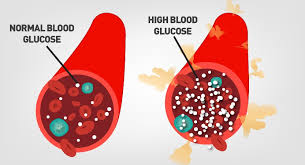
Living with diabetes can be more than just a matter of blood sugar and personal discipline.
For residents of Brownsville and the Cameron County area, managing diabetes can involve a person’s food, exercise, medicine, work, relationships, finances, insurance, general well-being, and many other facets of life.
Since everyone’s situation is unique, a person with a chronic illness may have to consider various factors when addressing their own case.
For example, people who need insulin treatments may have different options available to them than those who can regulate their blood sugar through exercise and diet.
A person’s occupation, economic status, access to healthcare, familial relationships, BMI, and other factors can affect the way a person with diabetes manages their condition.
According to the City Dashboard of the City of Brownsville, as of 2022, 20.2% of the city’s adult population identified as having diabetes. The same source reports that 47.1% of adults had a BMI of 30 kg/m² or higher.
This data is relevant, as it provides a reasonable estimate of the diabetic population within the city. However, it is important to note that those 20.2% of Brownsville’s adult population do not constitute a monolithic group with the same medical needs.
Diabetes affects residents of Brownsville and Cameron County in different ways depending on their occupation, financial situation, access to healthcare, general well-being, and other factors.
This article will discuss the effect of diabetes on the daily life of the residents of Brownsville and Cameron County and address several other points related to the disease.
Article Index
- Diabetes and everyday life in Brownsville
- Managing blood sugar, medication, and medical appointments
- Food and physical activity
- Fatigue and daily activities
- Emotional health and diabetes distress
- Work and other daily responsibilities
- Healthcare access and the cost of diabetes care
- Family and social life
- Diabetes complications and preventive care
- Diabetes resources in Brownsville and Cameron County
- Frequently asked questions
- Takeaway
Diabetes and Everyday Life in Brownsville
Diabetes is a chronic condition that generally requires ongoing management.
In addition to regular medical checkups, a person with diabetes may need to manage several aspects of their health each day depending on the individual’s particular case and the method of treatment.
They may have to take drugs, test their blood, carefully eat healthy food, exercise, go to doctors’ appointments, and be constantly mindful of possible highs and lows of blood sugar.
The diabetes management may interfere with work, visiting a restaurant, a trip, shopping, exercising, or some other routine activities.
It may also appear in various other ways depending on the patient’s particular circumstances, and the amount of care needed for each case may vary drastically.
What local research tells us
Brownsville has also been the home for the Cameron County Hispanic Cohort, a long-term research endeavor including Mexican American adults recruited from Brownsville households.
One study of the baseline sample from the Cameron County Hispanic Cohort, conducted during 2003–2008, found a high prevalence of diabetes and other chronic diseases among the participants.
The weighted prevalence of diabetes was 30.7% among the 2,000 participants studied.
This fact should not be generalized to all persons living in Brownsville or Cameron County, because this was a specific research cohort rather than a survey of every Brownsville or Cameron County resident.
This nuance is essential when considering healthcare statistics.
The same research found that insurance coverage was associated with a greater likelihood of diabetes and other chronic conditions being diagnosed and treated.
It serves as an additional reminder of the complex interplay between healthcare access and chronic illness management in the context of social and economic factors.
Readers looking for a broader overview can also explore our guide to understanding and managing diabetes.
Managing Blood Sugar, Medication, and Medical Appointments
One of the biggest adjustments after a diabetes diagnosis is learning how to manage the condition on a daily basis.
This can involve:
- Taking diabetes medication as prescribed
- Checking blood glucose levels by using a meter and test strips or a continuous glucose monitor
- Taking insulin, when indicated
- Being vigilant about symptoms of high or low blood sugar
- Planning meals and snacks carefully
- Engaging in physical activity
- Attending medical appointments
- Monitoring blood pressure, cholesterol, kidney health, eye health, and other diabetes-related conditions
Not everyone will need to check blood glucose levels in the same way. For instance, people on an insulin regimen have different requirements from those whose diabetes is not insulin-dependent. It is best to speak with a healthcare professional about what monitoring schedule is most appropriate.
For a more detailed explanation of home glucose monitoring, see our guide to daily blood sugar management.
In addition, people should take their medication as prescribed and should not change, reduce, or stop diabetes medication on their own.
People who use dietary supplements should also understand supplements and diabetes medication interactions before adding a new product to their routine.
Appointments will also need to be scheduled to assess progress and Appointments can also help assess blood pressure, cholesterol, kidney function, weight, and other aspects of diabetes care.
Self-management education and support programs can help people with diabetes to acquire the skills necessary to manage their condition, including strategies for dealing with challenges and working collaboratively with members of their healthcare team.
The American Diabetes Association recommends diabetes self-management education and support as an essential component of diabetes care, including its emphasis on shared decision-making, collaborative problem-solving, self-care skills, and patient empowerment.
For more practical guidance, see our guide on how to manage and control diabetes in Brownsville and Cameron County.
Food and Physical Activity
Food can be one of the most noticeable parts of daily diabetes management.
Many people with diabetes do not have to give up all the foods they love.
An appropriate eating pattern for a person with diabetes will be based on his or her individual health needs, diabetes care and nutrition needs, cultural beliefs and practices, food preferences, and budget.
For example, a family-style meal, including tortillas, rice, beans, tamales, and other traditional foods, could fit into a healthy eating pattern for a person with diabetes.
The key is to consider portion size, method of preparation, balance, and how much carbohydrate the meal contains.
The truth is, there is no one best or ideal diabetes diet.
A registered dietitian or diabetes care and education specialist can help you to design a healthy eating plan that fits your cultural beliefs and personal preferences.
Physical activity
Physical activity is another important component of diabetes care.
The American Diabetes Association recommends that most adults who have type 1 or type 2 diabetes get at least 150 minutes of moderate-to-vigorous aerobic activity per week, spread over at least 3 days, with resistance exercises on 2 or 3 nonconsecutive days when appropriate.
These recommendations should be individualized according to a person’s fitness level, age, type of diabetes, medications, and diabetes-related complications.
Brownsville’s weather could also impact one’s preferences for working out.
On an extremely hot day, it might be more practical for a person to opt for an indoor walking course, work out at the gym, participate in an indoor activity program, or simply work out in cooler weather.
The goal is not to follow an intensive exercise routine that does not fit your circumstances. A practical routine is more likely to become part of your everyday life.
Fatigue and Daily Activities
Diabetes can sometimes be associated with fatigue or reduced energy. It is important to note that fatigue is not necessarily a sign of diabetes.
Things such as lack of sleep, anemia, medications, depression, thyroid problems, heart issues, infection, and other factors can also contribute to feeling tired and without energy.
Fatigue that is persistent or unexplainable should always be checked by a medical professional, rather than being assumed to be a result of diabetes.
Diabetes can also cause issues that make it hard to work, exercise, and carry out day to day tasks.
Nerve damage, vision problems, heart disease and other diabetic complications can make walking, working, exercising and even completing home chores challenging.
This is why preventative care and diabetes management are so important.
It is not just a matter of treating the symptoms when it comes to diabetes. Regular diabetes care can help identify problems early and may reduce the risk that complications will interfere with daily life.
Emotional Health and Diabetes Distress
The emotional side of diabetes is often overlooked.
Juggling a chronic disease with its many day-to-day management requirements can be exhausting to say the least.
Many people with diabetes experience a condition known as diabetes distress.
People with diabetes can feel overwhelmed, helpless, frustrated, or discouraged by the ongoing demands of managing the condition.
These feelings, while normal, can also be a signal that the patient needs help managing these emotions.
People experiencing persistent or significant emotional difficulties should discuss them with a qualified healthcare professional.
Loved ones can also help a person manage some of the challenges of living with diabetes.
It is important to note that in most cases, nagging will not help the situation.
Asking them how you can assist would be a better alternative to constantly berating the patient for eating unhealthy foods or having high glucose levels.
The ADA’s standard of care for diabetes clearly states that psychological factors and a human-centered approach to treatment are vital in all aspects of diabetic care.
Work and Other Daily Responsibilities
Having diabetes does not necessarily prevent a person from working, but it may necessitate some planning and flexibility in terms of the work schedule.
Depending on the job and treatment plan, a person may need practical arrangements at work, such as:
- Time or facilities to take medication
- Time or facilities for monitoring blood sugar
- Time for eating or snacks
- Time or facilities to treat low blood sugar
- Time for doctor’s visits
- Practical arrangements for addressing complications or other diabetes-related needs
These factors may come into play most for people who work long shifts, drive commercial vehicles for a living, engage in physically demanding occupations, or have little control over their work schedules.
Consult appropriate health professionals and employers when necessary.
A diabetes diagnosis does not automatically rule out a career.
The impact of diabetes on employment will be different for everyone, depending on one’s health status, course of treatment, profession, working conditions, and other factors.
People whose work is being affected by diabetes should consult a suitable health care professional about their specific situation and possible options.
For people who are having difficulty coping with the responsibilities of a job while managing diabetes, a health care professional can help them find the right options for their needs.
Healthcare Access and the Cost of Diabetes Care
The financial and healthcare-access aspects of diabetes can be as disabling as the medical condition itself.
The costs of treatment can include:
- Prescription medications
- Insulin, if prescribed
- Blood-testing equipment
- CGM (continuous glucose monitoring)
- Physician care
- Lab work
- Specialist visits
- Eye exams
- Dental cleanings
- Transportation to appointments
- Healthy food
The costs vary depending on insurance coverage, treatment regimen, eligibility for programs that assist with health-care costs, and individual health needs.
An analysis of historical health-care access data from the Cameron County Hispanic Cohort provides context for why access to care is such a vital concern for residents of Brownsville.
In the 2003-2008 period, only 28.5% of participants in the cohort study were documented as having health insurance, and 66.8% of participants who were employed full-time reported being completely uninsured.
At the same time, the study found that participants with insurance coverage were more likely to have diabetes and other chronic conditions diagnosed and treated.
This data is not indicative of current conditions, but it illustrates why access to affordable treatment is a crucial concern in the community.
When treatment costs or glucose monitoring becomes unaffordable or inaccessible, patients should talk with their doctors, pharmacists, insurers, or local social-work agencies about alternatives rather than simply discontinuing care.
Family and Social Life
Diabetes can be more than just an individual problem.
Family dinners may need more planning, a person may have to calculate carbohydrates or dose of medication while being socially active or take glucose readings during walks instead of going to a movie.
Travel also requires some preparation. A person with diabetes may need to make sure they have enough medication, glucose-monitoring supplies, and other necessary equipment.
This does not mean that a person with diabetes needs to avoid social activities or withdraw from everyday life.
With appropriate preparation, diabetes management does not have to prevent a person from participating in everyday activities.
Having family members can be a great help.
Family members can help by preparing healthy meals together, going on walks, helping with appointment reminders, or simply recognizing that diabetes management can be stressful.
Still, family members shouldn’t treat the person with diabetes as if he or she is incapable of managing everyday tasks.
The aim is to help a person with diabetes maintain independence and participate fully in daily activities.
Diabetes Complications and Preventive Care
One of the most significant long-term concerns linked with diabetes is the possibility of complications.
Persistently elevated blood glucose can contribute to damage involving the:
- Vision
- Kidney function
- Nerve function
- Heart
- Blood vessels
Diabetes is associated with an increased risk of cardiovascular disease. Not all diabetes patients develop complications, and even good diabetes care cannot guarantee the absence of diabetes complications.
Still, proper treatment and prevention measures can reduce the likelihood of diabetes complications and enable their early detection and management.
The appropriate screening schedule depends on the individual’s health and should be determined with their healthcare professional.
A diabetes care plan may include regular evaluation of:
- A1C and blood glucose levels
- Blood pressure
- Cholesterol levels
- Kidney function
- Eye exams
- Foot examinations
- Risk of cardiovascular disease
- Medication adherence and side effects
- Patients should follow the screening schedule developed with their healthcare professional.
Foot care
People with diabetes should take special care of their feet, especially when they have problems with the nerves or blood flow.
Do not ignore any sores, cuts, blisters, swelling, redness, or other abnormality.
A healthcare provider can recommend foot care and let you know when to seek medical attention for your feet.
Diabetes Resources in Brownsville and Cameron County
Local resources can make a difference in someone’s ability to manage diabetes, especially when it comes to education, medical treatment, nutrition, and other services.
The city of Brownsville has a chronic-disease information web page with local health indicators and an overview of community health issues.
Residents can also ask their healthcare professional about Diabetes Self-Management Education and Support.
DSMES can assist with teaching people how to:
- Discuss healthy eating
- Get physical activity
- Take diabetes medicine
- Check blood sugar
- Solve problems
- Prevent complications
- Work with your diabetes care team
- Make changes to their diabetes management plan based on life circumstances
The availability of these programs, who is eligible, and how they are scheduled may change, so it is important for residents to contact the healthcare organization.
Frequently Asked Questions:
How does diabetes affect daily life in Brownsville and Cameron County?
Diabetes can have an effect on every part of a person’s daily life. People with diabetes often need to make special efforts to eat healthy and get sufficient exercise.
It can also be expensive and time-consuming for people with diabetes to monitor their condition and take medications.
As a result, many individuals with diabetes and their families must make lifestyle changes in order to better manage the disease.
Does everyone with diabetes need to check their blood sugar every day?
The frequency of blood-glucose monitoring varies for people with diabetes; some may require frequent testing, whereas others may use a continuous glucose monitor or have a less frequent routine. Discuss monitoring and diabetes management with your healthcare professional.
Can people with diabetes eat Mexican food?
Mexican food and other ethnic dishes do not have to be off-limits for people with diabetes; a balanced eating plan can be developed based on cultural food preferences, the amount of carbohydrates in the food, the method of preparation, nutritional needs, and treatment for diabetes.
Does diabetes stop people from working?
It is not mandatory for individuals with diabetes to stop working. In fact, many people are able to continue working without limitations, although they may need to make schedule adjustments for medications, blood-glucose monitoring, meals, medical appointments, and treatment for hypoglycemia.
Can diabetes make you tired?
Diabetes can sometimes be associated with fatigue, particularly when blood glucose levels are not well controlled or when other health problems are present. However, fatigue has many possible causes, so unusual or persistent tiredness should be discussed with a healthcare professional.
Can diabetes make you depressed?
Having diabetes can be emotionally taxing, as you have to take precautions and administer treatment for the disease. Symptoms of depression and other mental-health concerns should be taken seriously and reviewed with a healthcare professional.
How common is diabetes in Brownsville?
Statistics show that diabetes is a serious problem in the Brownsville area. The City of Brownsville estimated that 20.2% of its adult population reported having diabetes in 2022. The statistics are based on a local city estimate and not a calculation from older cohort studies of Cameron County.
To learn more, read our guide on why diabetes is increasing in Brownsville and Cameron County.
What is the Cameron County Hispanic Cohort?
The Cameron County Hispanic Cohort is a group of Mexican-American residents of Brownsville that have been recruited for research studies concerning diabetes, obesity, healthcare access, and socioeconomic factors affecting health.
Where can a person with diabetes get help?
Your primary-care professional or diabetes care team should be your first resource for referrals to care-management programs, registered dietitians, and other services for individuals with diabetes. In addition, residents of Brownsville and Cameron County can ask their healthcare teams about diabetes self-management and education programs, nutrition counseling programs, and other services.
Takeaway
Diabetes can affect a person’s life in many ways, not only in terms of diet and exercise, but also in relation to medication, employment, family life, social interactions, financial status, and mental health.
The condition can present a number of challenges to a person with diabetes depending on their particular set of circumstances.
The Cameron County Hispanic Cohort is a research cohort involving Mexican American adults in the Brownsville area that has been used to study diabetes, obesity, healthcare access, and other health and socioeconomic factors.
Diabetes can often be managed with an individualized care plan that takes into account a person’s health, lifestyle, treatment needs, and circumstances.
Medical professionals recommend regular check-ups, proper use of medication, diet and exercise, preventive screening, diabetes education, and counseling as a way to manage the disease.
People with diabetes should work with qualified healthcare professionals to develop and adjust an appropriate treatment and self-management plan.
Doctors, caregivers, family members, and diabetes educators can provide the necessary support to the patient in need of additional counseling or resources to improve their quality of life when the disease interferes with day-to-day life.
References:
- City of Brownsville — Chronic Disease in Brownsville
- CDC — Cameron County Hispanic Cohort diabetes study
- American Diabetes Association — Standards of Care 2025: Positive Health Behaviors and Well-being
- American Diabetes Association — Standards of Care 2026: Positive Health Behaviors and Well-being
Medical Disclaimer:
The information provided in this article is intended for educational purposes and should not be construed as individual medical advice. It is not a substitute for professional medical counsel or treatment.
Readers are advised against making unilateral changes to diabetes medication, insulin, diet, or exercise regimens based solely on the information provided in this article. Consult your healthcare professional before making any changes to your treatment plan.
Learn more about how we review health-related content: Medical Review Process

admin
All Posts