Managing diabetes involves more than checking blood glucose levels.
It may also involve taking medication as prescribed, making informed food choices, staying physically active, attending routine appointments, and addressing health concerns promptly.
A diabetes care plan should be developed with a qualified healthcare professional. The right approach depends on the type of diabetes, treatment, overall health, and the person’s needs and preferences.
There is no single routine that works for everyone. Understanding the main parts of diabetes self-management can help people make informed decisions and discuss concerns with their healthcare team.
This guide covers blood glucose monitoring, eating plans, physical activity, medication, routine checkups, and diabetes education resources for Montgomery County and Alabama.
Article Index
- Understanding Diabetes Management
- Monitoring Blood Glucose and Understanding A1C
- Building a Practical Diabetes-Friendly Eating Plan
- Staying Physically Active With Diabetes
- Taking Diabetes Medication Safely and Consistently
- Routine Checkups and Preventing Complications
- Managing Stress and Building Sustainable Habits
- Diabetes Education and Healthcare Resources in Montgomery County
- Frequently Asked Questions
- Conclusion
- References and Further Reading
Understanding Diabetes Management
Diabetes is a long-term condition that affects how the body regulates blood glucose, also called blood sugar. Insulin is a hormone that helps glucose enter cells to be used for energy. In type 1 diabetes, the body produces little or no insulin, so insulin treatment is necessary. In type 2 diabetes, the body does not use insulin effectively and may not produce enough over time.
Type 1 and type 2 diabetes have different treatment requirements. Type 2 diabetes may be managed with nutrition changes, physical activity, medication, and, for some people, insulin. The appropriate treatment plan depends on the individual’s health and should be developed with a qualified healthcare professional.
It is important to know how your diet, exercise, medication, illness, sleep and other factors can impact your blood glucose.
For residents of Montgomery County, a useful starting point is to work with a qualified healthcare professional to develop an individualized care plan. Depending on their needs, this may include blood glucose monitoring, medication, nutrition guidance, physical activity, laboratory tests, and routine checkups.
Try not to compare what treatment you need to what someone else needs. Each person should have their own treatment plan based on their medical needs and goals.
For additional local context, read our article about why diabetes is increasing in Montgomery County, Alabama.
Monitoring Blood Glucose and Understanding A1C
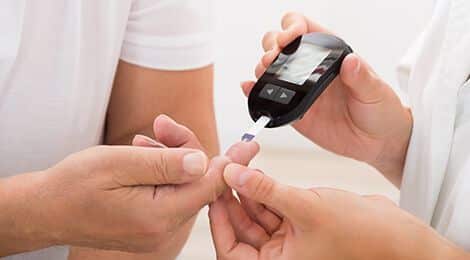
Blood glucose monitoring can help you understand how your treatment is working and identify patterns that may need attention. How often and by which method you should monitor depends on your type of diabetes, medication, and overall health.
A blood glucose meter measures glucose from a small blood sample, usually collected with a finger-prick. A continuous glucose monitor (CGM) uses a sensor under the skin to estimate glucose levels and show changes over time.
Not everyone needs a CGM or needs to monitor blood glucose at the same frequency. A healthcare professional can help you decide which method and monitoring schedule are appropriate for you.
What is the difference between blood glucose readings and A1C?
A blood glucose reading will tell you your current glucose level whereas the A1C test will give you an idea of what your average glucose level has been over the last 2 to 3 months.
Your blood glucose target range and A1C goal should be individualized according to factors such as your age, overall health, treatment, and risk of hypoglycemia. Ask your healthcare professional what your targets should be and how often you should be tested.
The distinction matters because A1C estimates average blood glucose over time, while a blood glucose reading reflects the level at the time of testing. The CDC discusses both measures in its blood glucose monitoring guidance.
For more information, read our guide to using a continuous glucose monitor to support blood sugar management.
Reference: CDC — Monitoring Your Blood Sugar.
Building a Practical Diabetes-Friendly Eating Plan
Food choices can affect blood glucose, but diabetes does not mean everyone needs to follow the same diet or give up all the foods they enjoy. An eating plan should reflect a person’s treatment, health needs, budget, preferences, and cultural food traditions.
It is useful to create a dietary plan which takes into account your treatment, health requirements, budget, personal preferences and cultural food traditions.
A balanced eating pattern may include vegetables, whole fruits, whole grains, beans and lentils, suitable protein sources, and unsaturated fats. Portion sizes and carbohydrate intake can be adjusted to individual needs.
Try the Diabetes Plate Method
One way to help structure your meals without having to count portions is to use the diabetes plate method.
This recommends eating:
- Around half of your plate filled with non-starchy vegetables such as leafy greens, broccoli, cabbage, green beans or cauliflower
- Around a quarter of your plate filled with protein such as fish, eggs, tofu, chicken or other suitable option
- The rest of your plate filled with foods containing carbohydrates such as whole grains, beans or starchy vegetables
Water or another suitable unsweetened beverage can accompany the meal.
This is a guideline and individual needs may vary. If you take insulin, have kidney disease or other medical conditions it may be different for you.
Make changes that are realistic
It may be helpful to pay attention to portion sizes, choose water instead of sugar-sweetened drinks more often, and include fiber-rich foods in meals. Planning meals ahead of busy days can also make a balanced eating pattern easier to maintain.
Foods containing carbohydrates will affect your blood glucose. How much and when you have carbs depends on the individual. If you use insulin or medications that can cause hypoglycemia, speak to your healthcare professional about how your meals and carb intake should fit into your medication plan.
A registered dietitian or diabetes care and education specialist may be able to support you to make changes to your eating plan to suit your likes, medical requirements and budget.
For further reading, visit our guide to the effect of diet on type 2 diabetes management.
Reference: American Diabetes Association — Eating Well and Managing Diabetes.
Staying Physically Active With Diabetes
Regular physical activity can support blood glucose management, heart health, mobility, and emotional well-being. You do not need to go to a gym or exercise intensely to benefit.
Walking, cycling, swimming, dancing, gardening and appropriate strength exercises can all be good options. Choose something you can do based on your ability, health, personal preferences and how much time you have each day.
Start gradually and build consistency
As a general guide adults should be aiming for at least 150 minutes of moderate intensity aerobic activity per week plus at least 2 sessions of muscle strengthening activity. It may be different for individuals with certain medical conditions or physical problems.
If you have been sedentary it may help to start with small bursts of activity and work up. This can help by breaking down activity into smaller chunks.
Individuals with diabetes need to look at their personal requirements. If you take insulin or particular glucose lowering medications you may need some guidance on how to reduce the risk of low blood sugar while exercising. If you have ulcers, loss of feeling in your feet, cardiovascular issues or other complications you may need some specific advice.
Follow the activity advice in your individualized care plan. If you are unsure whether an activity is appropriate for you, ask your healthcare professional for guidance.
For practical ideas, read our guide to controlling blood sugar levels by walking.
Reference: CDC — Get Active.
Taking Diabetes Medication Safely and Consistently
Many people will use medication to help manage their diabetes.
Your medication, how much you take and when you take it will depend on your specific diagnosis, overall health and your diabetes treatment goals.
You should try to take your medication as advised. If you have any questions about when to take your medication, what to do if you miss a dose, any side effects or interactions then ask your healthcare professional or pharmacist.
Don’t change the amount you’re taking, stop taking your medication or take any supplements to replace your medication without seeking professional advice.
Make medication easier to manage
A few practical steps may help people follow their treatment plan:
- Use a daily routine or reminder to help remember prescribed doses.
- Keep an up-to-date list of medicines and doses.
- Ask a pharmacist how to store medication properly and what to do if a dose is missed.
- Discuss side effects or difficulties following the schedule with the healthcare team.
- Tell the healthcare professional if medication costs are making treatment difficult to maintain.
Contact your healthcare professional if you experience repeated high or low blood glucose readings, side effects, or difficulty obtaining your medication. Your healthcare team can assess your situation and advise whether changes to your treatment or additional support may be appropriate.
Your healthcare team or pharmacist may be able to discuss clinically appropriate alternatives and identify possible resources to help with treatment costs.
Reference: NIDDK — Managing Diabetes.
Routine Checkups and Preventing Complications
In addition to looking at your blood sugar levels, regular visits are important to monitor your general health, treatment and complications.
Depending on your individual needs you may have:
- A1C testing: to estimate average blood glucose over the previous two to three months.
- Blood pressure checks: to assess an important factor in cardiovascular and kidney health.
- Cholesterol testing: to help evaluate cardiovascular risk.
- Kidney assessments: to monitor kidney function and look for signs of diabetes-related kidney disease.
- Eye examinations: to screen for diabetes-related eye disease.
- Foot assessments: to identify sores, skin changes, reduced sensation, or other potential problems.
Everyone will have a different schedule. Your healthcare team can work with you to determine when you need to have check-ups and/or screening based on your medical history, treatment and past results.
Pay attention to changes in your feet
Regularly checking your feet will help you spot any cuts, blisters, redness, swelling or changes. If you have diabetes, you should seek help from a medical professional quickly if there are any wounds on your foot or signs of infection.
This is especially important if you have a reduced sensation in your feet or a history of foot problems.
You should also speak to a medical professional if you are experiencing any other symptoms or changes. It is important to attend regular check-ups.
Good diabetes management and recommended screening can lower the risk of some complications and help identify problems early, but they cannot guarantee that complications will never develop. Follow your healthcare team’s recommendations for monitoring and preventive care.
References:
Managing Stress and Building Sustainable Habits
Living with diabetes can sometimes feel overwhelming because it involves daily decisions about blood glucose, food, medication, appointments, and costs.
Living with diabetes can sometimes feel overwhelming because it involves daily decisions about blood glucose, food, medication, appointments, and costs.
Some people experience diabetes distress, which refers to the emotional burden of managing a long-term condition. It can involve worry, frustration, sadness, or feeling exhausted. Diabetes distress differs from clinical depression, although the two can occur together. If these feelings persist or interfere with daily life, speak with a healthcare professional.
Try setting achievable goals. For example, start by recording your glucose levels as advised, plan some meals and/or book a healthcare appointment.
If you continue to feel stressed or have emotional problems then speak to a healthcare professional. You may also find a diabetes education program or mental health professional helpful.
Your lifestyle needs to be sustainable. Plan around your work, travelling, family and social activities. Living with diabetes can be an ongoing process and you may have to adapt your plans based on how you are feeling.
For a related discussion, read how diabetes affects daily life in Montgomery County, Alabama.
Reference: CDC — Living with Diabetes.

Diabetes Education and Healthcare Resources in Montgomery County
Getting accurate health information and education about diabetes can help you develop your skills in managing your own health and ask the right questions. Montgomery County residents can look at state-wide educational resources and contact local public health services to find out what is available.
Alabama Department of Public Health
The Alabama Department of Public Health (ADPH) offers information on Diabetes Self- Management Education and Support (DSMES) programs that provide patients with the knowledge and skills to self-manage their diabetes including problem solving and working with their health care team.
The department’s Diabetes Self-Management Education and Support page links to a statewide resource directory for finding programs in Alabama.
Program availability, eligibility requirements, referrals, insurance acceptance, and costs may vary. Please contact the program to ensure that you receive the right service for your needs.
Montgomery County Health Department
The Montgomery County Health Department’s official contact page lists the following information:
- Address: 3060 Mobile Highway, Montgomery, Alabama 36108
- Telephone: 334-293-6400
The Alabama Department of Public Health lists general public health and clinical services at the Montgomery County Health Department. Its public information does not confirm that all diabetes treatments or diabetes education programs are offered at this location. Contact the department to ask whether it provides the service you need or can direct you to an appropriate resource.
Questions to ask when looking for support
You may want to find out the following information before you start a particular program or service:
- Do they offer the type of diabetes education or clinical support I need?
- Do they require a referral?
- Will they accept my insurance?
- What fees apply, and is financial assistance available for eligible patients?
- Can they meet my treatment needs?
- How do I know if appointments are available?
Residents should also ask local healthcare professionals for referrals where appropriate. It is a good idea to look at the local service directory to see what is available. However, not all programs may be available or suitable for you.
Frequently Asked Questions:
How can I manage diabetes day to day?
Managing diabetes can include taking medication, regularly monitoring blood sugar levels, eating a personalized meal plan, being physically active and attending regular health appointments.
How frequently should I monitor my blood glucose?
It will depend on the type of diabetes you have, medication, treatment and personal requirements. Some people will monitor their glucose using a glucose meter while others may benefit from using a continuous glucose monitor. Please speak to a healthcare professional.
What foods should someone with diabetes eat?
There is no one-size-fits-all eating plan for diabetes. A balanced diet may include non-starchy vegetables, whole fruits, whole grains, suitable protein sources, and healthy fats. Portion sizes and carbohydrate intake should reflect individual needs, medication, preferences, and treatment goals.
How physically active should someone with diabetes be?
Many adults are advised to aim for at least 150 minutes of moderate-intensity aerobic activity each week, along with muscle-strengthening activity on at least two days. The appropriate routine depends on individual health needs and physical abilities.
People taking medication that can cause low blood glucose, or those with diabetes-related complications, should ask their healthcare professional for advice before changing their exercise routine.
Where can I get diabetes education in Montgomery County?
You can start by visiting the Diabetes Self-Management Education and Support page on the Alabama Department of Public Health website. Please also speak to your healthcare professional regarding suitable education in your area. They can also tell you what is required to get involved in any programs.
Should I change my medication if my blood glucose is high?
Do not make any changes to your medication or stop taking your medication without professional advice. Speak to your healthcare professional about regularly having high readings, low readings, any symptoms and concerns about side effects so they can advise you.
Why should I attend regular appointments if my diabetes appears to be under control?
Regular appointments allow your healthcare professionals to review your treatment, check your blood pressure, cholesterol and A1C (if needed) and to screen for complications. Even if you feel well or readings are within your target range you should still attend recommended appointments.
Conclusion
Managing diabetes in Montgomery County, Alabama, starts with an individualized care plan and routines that are realistic to maintain. Monitoring blood glucose as recommended, following a balanced eating plan, staying physically active as appropriate, taking medication as prescribed, attending checkups, and seeking support can all contribute to diabetes care.
Residents can explore diabetes self-management education resources provided by the Alabama Department of Public Health and contact local public health services to ask about available support. A qualified healthcare professional can help tailor care to individual health needs and adjust the plan when necessary.
Diabetes management is an ongoing process. Reliable information, regular care, and appropriate support can help people address challenges and continue participating in the activities that matter to them.
References and Further Reading
- Centers for Disease Control and Prevention (CDC). Living with Diabetes. Guidance on daily management, healthy eating, physical activity, emotional well-being, and routine care.
- Centers for Disease Control and Prevention (CDC). Monitoring Your Blood Sugar. Information about monitoring methods, glucose patterns, and individualized testing recommendations.
- National Institute of Diabetes and Digestive and Kidney Diseases (NIDDK). Managing Diabetes. Information about A1C, blood pressure, cholesterol, physical activity, and other aspects of diabetes management.
- American Diabetes Association (ADA). Eating Well and Managing Diabetes. Practical information on balanced eating patterns, food choices, and the Diabetes Plate Method.
- Centers for Disease Control and Prevention (CDC). Get Active. Information about physical activity and managing diabetes.
- Centers for Disease Control and Prevention (CDC). Your Diabetes Care Schedule. Guidance on routine checks, examinations, and appointments.
- National Institute of Diabetes and Digestive and Kidney Diseases (NIDDK). Diabetic Eye Disease. Information about screening and care for diabetes-related eye problems.
- Alabama Department of Public Health (ADPH). Diabetes Self-Management Education and Support. Information and directory resources for diabetes education programs in Alabama.
- Alabama Department of Public Health (ADPH). Montgomery County Health Department — Contact Information. Official contact information for the county health department.
Further Reading on This Website
- Why Diabetes Is Increasing in Montgomery County, Alabama
- How Diabetes Affects Daily Life in Montgomery County, Alabama
- How to Use a CGM to Stabilize Daily Blood Sugar Levels
- How to Control Your Blood Sugar Levels by Walking
- What Is the Impact of Diet on Type 2 Diabetes Management?
Medical Disclaimer
This article is provided for general informational and educational purposes only. It does not constitute medical advice, diagnosis, or treatment and should not replace consultation with a qualified healthcare professional.
Diabetes care varies from person to person. Do not stop or change prescribed medication, begin a supplement, or substantially change your treatment plan based solely on information in this article. Discuss personal health concerns and treatment decisions with your healthcare team.
Read our full Medical Disclaimer and Health Information Policy.
Why Trust BestDietarySupplementForDiabetics.com?
We aim to provide clear, evidence-informed health information that helps readers understand diabetes and make informed decisions. Our content approach emphasizes reputable health sources, balanced explanations, appropriate safety guidance, and recognition that health needs differ between individuals.
Online health information should support, not replace, professional medical care. Readers are encouraged to discuss questions about diabetes management, medication, supplements, and lifestyle changes with a qualified healthcare professional.
Learn more about our editorial approach on our Why Trust BestDietarySupplementForDiabetics.com? page.

admin
All Posts