
Rosiglitazone, marketed under the brand name Avandia, once held great promise in the world of type 2 diabetes treatment.
It was hailed as a breakthrough for its ability to increase insulin sensitivity and control blood sugar levels in patients struggling with insulin resistance.
However, this miracle drug quickly became embroiled in controversy when concerns over its safety—particularly its links to cholesterol related cardiovascular problems—surfaced.
The question remains: Is rosiglitazone a miracle diabetes drug or a hidden health risk?
This article by bestdietarysupplementfordiabetics.com dives deep into the benefits and risks associated with rosiglitazone and Avandia diabetes medication.
I shall explore the science behind the drug, its side effects, and whether it should still be considered a viable treatment option today.
Article Index:
- What is Rosiglitazone and How Does It Work?
- A Brief History of Avandia and Rosiglitazone
- Rosiglitazone Side Effects: Cardiovascular Concerns and More
- Metformin Rosiglitazone: A Potent Combination
- Avandia Prescribing Information and Cost
- Avandia 4 mg: How Does the Dosage Affect Risk?
- Is Rosiglitazone Still a Viable Diabetes Treatment?
- FAQs on Rosiglitazone for Treating Diabetes
- Conclusion: Miracle Drug or Hidden Health Risk?
What is Rosiglitazone and How Does It Work?
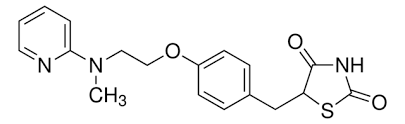
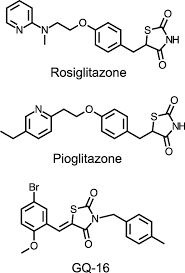
Rosiglitazone belongs to the thiazolidinedione (TZD) class of drugs and is designed to help people with type 2 diabetes manage their blood sugar levels.
It works by increasing the sensitivity of fat and muscle cells to insulin, which allows the body to use insulin more effectively.
This action makes rosiglitazone an attractive option for those with insulin resistance, a common feature of type 2 diabetes.
Avandia, the brand name for rosiglitazone, was once a blockbuster drug used to treat millions of patients worldwide.
Avandia diabetes treatment was particularly useful for those who could not adequately control their glucose levels with other medications like metformin.
However, as I will explore, its widespread use came to a halt due to safety concerns.
A Brief History of Avandia and Rosiglitazone
Avandia rosiglitazone was approved by the FDA in 1999 and quickly gained traction as a go-to treatment for type 2 diabetes.
However, its success was short-lived. In 2007, a New England Journal of Medicine study linked rosiglitazone to a significant increase in heart attacks and cardiovascular deaths, raising alarm bells.
This revelation led to restrictions on Avandia diabetes prescriptions and a sharp decline in its usage.
While Avandia side effects came under intense scrutiny, conflicting data emerged in subsequent studies.
Some research supported the increased cardiovascular risk, while other studies found no substantial increase.
These contradictory findings have left both patients and healthcare professionals uncertain about the safety of rosiglitazone.
Rosiglitazone Side Effects: Cardiovascular Concerns and More
The biggest controversy surrounding rosiglitazone side effects revolves around its potential to increase the risk of heart attacks and heart failure.
Early data suggested that patients taking Avandia rosiglitazone were at a 43% higher risk of experiencing a heart attack compared to those taking other diabetes medications.
This led to the FDA imposing restrictions on its use in 2010, limiting its availability only to patients who could not manage their diabetes with other treatments.
Aside from cardiovascular concerns, rosiglitazone side effects include:
- Weight gain: A common issue with thiazolidinediones, leading to potential worsening of insulin resistance in obese patients.
- Edema (fluid retention): This side effect is particularly concerning for patients with pre-existing heart conditions, as it can exacerbate the risk of heart failure.
- Bone fractures: Particularly in women, rosiglitazone has been associated with an increased risk of fractures due to reduced bone mineral density.
- Liver issues: While rare, rosiglitazone has been linked to liver toxicity, requiring regular liver function tests for those on long-term therapy.
Despite these Avandia side effects, the drug continues to be prescribed to patients who are not responding to other medications.
However, its use requires careful monitoring and should be considered only when the benefits outweigh the risks.
Metformin Rosiglitazone: A Potent Combination
Combining metformin with rosiglitazone has proven to be an effective strategy for many patients with type 2 diabetes.
While metformin works to decrease glucose production in the liver and improve insulin sensitivity, rosiglitazone enhances insulin sensitivity at the cellular level. This dual approach can significantly improve blood sugar control.
A 2019 study published in Diabetes Care found that patients who used a metformin rosiglitazone combination had better overall glycemic control than those using either drug alone.
However, this combination is not without risks. Patients on this regimen must be closely monitored for side effects, particularly those related to cardiovascular health and weight gain.
Avandia Prescribing Information and Cost
For those still considering Avandia diabetes medication, it’s important to be aware of the specific Avandia prescribing information.
The FDA requires that both patients and healthcare providers acknowledge the potential risks associated with the drug.
This includes signing a consent form that outlines the possible side effects, especially cardiovascular risks.
Regarding cost, the rosiglitazone cost can be quite high.
A 30-day supply of Avandia 4 mg can range from $200 to $400, depending on insurance coverage and location. However, generic versions of rosiglitazone are available, which significantly lower the price.
Avandia generic options can bring the cost down to under $100, making it more accessible for patients who may benefit from this treatment.
Avandia 4 mg: How Does the Dosage Affect Risk?
The standard dose of Avandia 4 mg is usually prescribed for patients starting rosiglitazone therapy.
Depending on individual needs and blood sugar control, the dosage may be adjusted, but most patients are started on Avandia 4 mg to reduce the risk of adverse side effects.
Higher doses have been associated with increased weight gain and fluid retention, which can exacerbate cardiovascular risks.
The Avandia prescribing information emphasizes that patients on higher doses, such as Avandia 4 mg, should be carefully monitored for signs of heart problems and other side effects.
While some patients can tolerate the drug well, it’s essential to weigh the potential benefits against the risks.
Is Rosiglitazone Still a Viable Diabetes Treatment?
So, with all this information, the question remains: is rosiglitazone still a viable treatment for type 2 diabetes? The answer largely depends on the individual.
For patients who have struggled to control their blood sugar with other medications, rosiglitazone may offer a much-needed solution.
Its ability to improve insulin sensitivity makes it a powerful option for those with insulin resistance.
However, the rosiglitazone side effects, particularly the cardiovascular risks, cannot be overlooked.
Patients with a history of heart disease or those at high risk for cardiovascular issues should approach rosiglitazone therapy with caution. Opting for dramatic weight loss to treat diabetes is also not recommended.
For others, particularly those without significant cardiovascular risk factors, rosiglitazone may still be a useful tool in managing diabetes.
FAQs on Rosiglitazone for Treating Diabetes
Q-1: How does Rosiglitazone’s mechanism of action uniquely affect insulin sensitivity compared to other diabetes medications?
A-1: Rosiglitazone works by activating PPAR-gamma receptors, which regulate gene expression involved in glucose and lipid metabolism. This mechanism enhances insulin sensitivity primarily in muscle and adipose tissues, differing from drugs that increase insulin secretion or reduce glucose absorption. Its targeted approach can improve glucose uptake but also alters fat distribution and fluid retention, which are less common effects in other diabetes medications.
Q-2: Could Rosiglitazone’s impact on cardiovascular health be linked to patient-specific factors rather than the drug alone?
A-2: Emerging insights suggest that Rosiglitazone’s cardiovascular risks might depend significantly on individual patient profiles, including pre-existing heart conditions, genetics, and concurrent medications. While some studies indicate increased risk of heart failure or myocardial infarction, other analyses propose these outcomes may be amplified in patients with baseline vulnerabilities, highlighting the need for personalized risk assessment before prescribing.
Q-3: Is there evidence that Rosiglitazone influences inflammation or oxidative stress in ways that could affect long-term diabetes complications?
A-3: Some research points to Rosiglitazone’s role in modulating inflammatory markers and oxidative stress pathways, which are critical in diabetes-related complications. By reducing certain pro-inflammatory cytokines, it might offer benefits beyond glucose control; however, its overall impact on systemic inflammation and oxidative damage remains complex and variable between patients, warranting further investigation.
Q-4: How does Rosiglitazone’s effect on fat cell differentiation contribute to both its therapeutic benefits and potential risks?
A-4: Rosiglitazone promotes the differentiation of pre-adipocytes into mature fat cells, enhancing lipid storage capacity and improving insulin sensitivity. This process helps reduce circulating free fatty acids, benefiting glucose metabolism. However, increased fat cell number and changes in fat distribution, especially subcutaneous versus visceral fat, may contribute to weight gain and fluid retention, which are notable side effects impacting patient tolerance.
Q-5: What role might drug interactions play in the safety and efficacy of Rosiglitazone in diabetic patients?
A-5: Rosiglitazone’s metabolism involves liver enzymes that can be affected by other medications, potentially altering its plasma levels and effects. Interactions with drugs such as certain antifungals, antibiotics, or other antidiabetics could either enhance side effects or reduce therapeutic benefits. Careful management of polypharmacy is thus critical to minimize adverse outcomes and optimize glucose control.
Q-6: Can Rosiglitazone’s risk-benefit profile be improved by combining it with newer diabetes therapies?
A-6: Combining Rosiglitazone with newer agents like GLP-1 receptor agonists or SGLT2 inhibitors may mitigate some risks by reducing required doses or counteracting adverse effects like weight gain and fluid retention. This integrative approach could harness Rosiglitazone’s insulin-sensitizing benefits while leveraging complementary mechanisms, potentially enhancing overall diabetes management and safety profiles when carefully monitored.
Miracle Drug or Hidden Health Risk? My Opinion:
So, is rosiglitazone a miracle diabetes drug or a hidden health risk?
The truth is, it is a bit of both. For some patients, rosiglitazone has been a game-changer, helping to control blood sugar levels where other treatments have failed.
Its ability to increase insulin sensitivity makes it a valuable option for those with insulin resistance.
However, the risks associated with Avandia rosiglitazone, particularly the cardiovascular risks, cannot be ignored.
So, it is always best to go with tried and trusted supplements to lower blood sugar.
The rosiglitazone side effects have led to a significant decline in its use, and many healthcare providers now turn to other options first.
Ultimately, the decision to use Avandia diabetes medication should be made on a case-by-case basis.
Patients should have a thorough discussion with their healthcare provider about the potential benefits and risks, considering both their blood sugar control needs and overall health.
For some, rosiglitazone may still be worth the risk. For others, it is a gamble that’s best avoided.
References:

admin
All Posts