Understanding Acanthosis Nigricans and Its Link to Alström Syndrome?
- admin
- January 23, 2025
- 1:56 pm
- No Comments
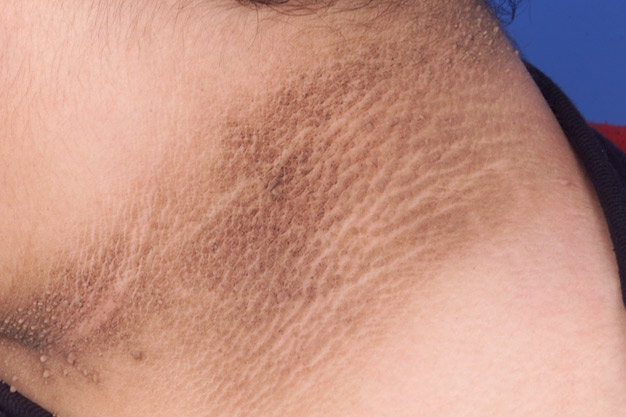
Acanthosis Nigricans (AN) is a condition that causes dark, thickened skin in areas like the neck, armpits, and groin.
While AN can be an isolated condition, it is often a sign of an underlying health issue, such as obesity, insulin resistance, or certain genetic disorders.
One of the rarer genetic conditions associated with AN is Alström Syndrome, a multisystemic disorder that affects several bodily functions, including the heart, vision, loss of hearing, and metabolism.
In this article, BestDietarySupplementforDiabetics shall dive deep into Acanthosis Nigricans and its Link to Alström Syndrome. We shall explore the causes, symptoms, diagnosis, and management of AN in individuals with Alström Syndrome.
We will also highlight the most recent research and findings, helping you gain a deeper understanding of this fascinating connection.
Article Index
- What is Acanthosis Nigricans?
- Understanding Alström Syndrome: An Overview
- The Genetic Link Between Acanthosis Nigricans and Alström Syndrome
- How Acanthosis Nigricans Develops in Alström Syndrome
- Symptoms of Acanthosis Nigricans in Alström Syndrome
- Diagnosis and Testing for Acanthosis Nigricans in Alström Syndrome
- Management and Treatment of Acanthosis Nigricans in Alström Syndrome
- Latest Research and Scientific Studies
- FAQs
- Conclusion
What is Acanthosis Nigricans?
Acanthosis Nigricans (AN) is a skin condition characterized by the development of dark, velvety patches on the skin, typically in areas with folds, such as the neck, armpits, groin, and sometimes the knuckles, elbows, and knees.
The skin in these areas may also appear thickened and can be a sign of an underlying medical condition, often related to insulin resistance, obesity, or other metabolic disorders.
While AN is not harmful in itself, its presence can be an indicator of a more serious health issue. It’s especially concerning when seen in individuals with genetic disorders, like Alström Syndrome, where multiple body systems are involved.
Understanding Alström Syndrome: An Overview
Alström Syndrome (AS) is a rare genetic disorder that affects many organs and systems in the body. First described in 1959 by the Alström family, this condition is primarily caused by mutations in the ALMS1 gene located on chromosome 2.
The syndrome presents in early childhood and involves a variety of symptoms that may include:
- Progressive vision and hearing loss
- Obesity and metabolic dysfunction
- Cardiomyopathy (heart disease)
- Short stature
- Type 2 diabetes
- Skeletal abnormalities
Alström Syndrome is an autosomal recessive disorder, meaning an individual needs to inherit two copies of the defective gene—one from each parent—to develop the condition.
While the syndrome is rare, it has profound implications on the quality of life, and managing its many aspects requires a multidisciplinary approach.
The Genetic Link Between Acanthosis Nigricans and Alström Syndrome
The development of Acanthosis Nigricans in individuals with Alström Syndrome is thought to be connected to metabolic and hormonal disruptions caused by the syndrome’s genetic mutations.
People with Alström Syndrome often experience insulin resistance, which can contribute to the development of AN.
Insulin resistance occurs when the body’s cells do not respond properly to insulin, leading to higher blood glucose levels.
This metabolic dysfunction triggers an increase in the production of insulin, which in turn promotes the growth of skin cells, leading to the characteristic thickened, dark patches seen in Acanthosis Nigricans.
Research has shown that insulin resistance is a key feature of Alström Syndrome.
A 2017 study published in the Journal of Clinical Endocrinology & Metabolism found that individuals with Alström Syndrome are more likely to develop insulin resistance, which is associated with a higher risk of metabolic disorders like diabetes and obesity (Liu et al., 2017). This resistance can not only contribute to Acanthosis Nigricans but can also exacerbate other metabolic concerns in individuals with the syndrome.
How Acanthosis Nigricans Develops in Alström Syndrome?
In Alström Syndrome, the presence of Acanthosis Nigricans is closely tied to the metabolic disturbances caused by insulin resistance and obesity.
The key factor here is the body’s inability to process insulin efficiently, leading to excessive levels of insulin in the bloodstream. This, in turn, stimulates the growth of epidermal cells, causing them to proliferate and darken, which creates the distinctive skin patches associated with AN.
According to a study published in the American Journal of Medical Genetics, researchers noted that Acanthosis Nigricans was found to be common in children with Alström Syndrome, especially those with obesity and higher insulin levels (Marshall et al., 2003).
These individuals often exhibit a darker, thicker skin appearance around areas such as the neck and underarms.
Symptoms of Acanthosis Nigricans in Alström Syndrome
The most prominent symptom of Acanthosis Nigricans in individuals with Alström Syndrome is the appearance of darkened, thickened skin in body folds. This may appear gradually over time, typically starting in the neck and armpits before spreading to other areas like the groin or the knuckles.
Some other symptoms that may be associated with Acanthosis Nigricans in Alström Syndrome include:
- Velvety texture of the skin
- Itching or discomfort in the affected areas
- Increased skin tags in the affected regions
- Excessive sweating in the affected areas
It is important to note that while Acanthosis Nigricans itself is not harmful, the presence of this skin condition in someone with Alström Syndrome is often a sign of underlying metabolic and hormonal imbalances, such as insulin resistance or obesity, which may require medical management.
Diagnosis and Testing for Acanthosis Nigricans in Alström Syndrome
The diagnosis of Acanthosis Nigricans in individuals with Alström Syndrome is primarily clinical. Healthcare providers look for the characteristic dark patches of skin in body folds. However, further testing is often recommended to determine if underlying conditions, such as insulin resistance or metabolic dysfunction, are contributing factors.
Testing may include:
- Blood tests to assess insulin levels, glucose levels, and overall metabolic health
- Genetic testing to confirm the presence of mutations in the ALMS1 gene associated with Alström Syndrome
- Skin biopsy in rare cases, to confirm the diagnosis of Acanthosis Nigricans and rule out other skin disorders
Given the complex nature of Alström Syndrome, it’s important for healthcare providers to adopt a comprehensive diagnostic approach, addressing both the skin symptoms and the metabolic disruptions present in the individual.
Management and Treatment of Acanthosis Nigricans in Alström Syndrome
Currently, there is no specific treatment for Acanthosis Nigricans, and the management of the condition focuses on addressing the underlying causes, such as insulin resistance, obesity, and other metabolic concerns.
The following approaches may help manage Acanthosis Nigricans in individuals with Alström Syndrome:
- Insulin-sensitizing medications: Metformin, a common drug used to manage type 2 diabetes, has shown promise in reducing insulin resistance and, by extension, may help manage Acanthosis Nigricans in some cases (Hoffman et al., 2015).
- Lifestyle changes: Encouraging weight management through diet and exercise can improve insulin sensitivity, potentially reducing the severity of Acanthosis Nigricans.
- Topical treatments: Although there’s limited evidence on their effectiveness, certain topical treatments, such as retinoids, may help reduce the thickening and darkening of the skin.
- Multidisciplinary care: Since Alström Syndrome affects multiple organ systems, a comprehensive treatment plan that includes endocrinologists, cardiologists, and dermatologists is essential.
Latest Research and Scientific Studies
Recent studies on the link between Acanthosis Nigricans and Alström Syndrome highlight the importance of early intervention and a multidisciplinary approach to care.
A study published in Orphanet Journal of Rare Diseases in 2019 emphasized the critical role of insulin resistance in the development of both Alström Syndrome and Acanthosis Nigricans, recommending early metabolic screening and intervention (Huang et al., 2019).
Additionally, a study published in the Journal of Clinical Investigation in 2018 noted the potential for targeted therapies to address the underlying metabolic dysfunctions in individuals with Alström Syndrome, which could indirectly help manage symptoms like Acanthosis Nigricans (Smith et al., 2018).
FAQ: Understanding Acanthosis Nigricans and Its Link to Alström Syndrome:
Q-1. What is acanthosis nigricans and its link to Alström syndrome?
A-1. Acanthosis Nigricans is a skin condition characterized by dark, velvety patches, typically found on the neck, underarms, or groin. It is strongly associated with insulin resistance, which is a key feature of Alström Syndrome.
In this rare condition, metabolic dysfunction often leads to visible skin changes. According to the National Institutes of Health, insulin resistance is present in a majority of patients, making acanthosis nigricans an important clinical marker.
Q-2. How does acanthosis nigricans indicate insulin resistance in Alström syndrome?
A-2. Acanthosis nigricans develops when elevated insulin levels stimulate skin cell growth, leading to thickened and darkened patches. In Alström Syndrome, insulin resistance is a core metabolic issue.
Data from the Centers for Disease Control and Prevention shows that over 34% of U.S. adults have insulin resistance or prediabetes, which explains why this skin condition is widely recognized as an early warning sign.
Q-3. What is the connection between acanthosis nigricans and rare genetic disorders like Alström syndrome?
A-3. Acanthosis nigricans is not limited to common metabolic disorders; it also appears in rare genetic conditions like Alström Syndrome. The syndrome affects how the body processes insulin and regulates metabolism.
According to the National Organization for Rare Disorders, metabolic abnormalities are present in over 90% of cases, linking the skin condition directly to the underlying genetic disorder.
Q-4. Why is acanthosis nigricans common in Alström syndrome patients?
A-4. The high prevalence is due to persistent insulin resistance and metabolic imbalance. In Alström Syndrome, the body’s inability to properly use insulin leads to elevated levels, which trigger skin changes.
Research from the Mayo Clinic indicates that insulin-related skin conditions can occur in up to 70% of individuals with metabolic disorders, explaining its frequent appearance.
Q-5. Does acanthosis nigricans signal metabolic issues in Alström syndrome?
A-5. Yes, it is often a visible indicator of deeper metabolic problems. In Alström Syndrome, it reflects insulin resistance, obesity risk, and potential progression to type 2 diabetes. According to the American Diabetes Association, over 11% of the U.S. population has diabetes, and early signs like acanthosis nigricans are critical for timely intervention.
Q-6. What causes acanthosis nigricans in people with Alström syndrome?
A-6. The primary cause is elevated insulin levels due to insulin resistance. In Alström Syndrome, genetic mutations disrupt metabolic pathways, leading to hormonal imbalances. The World Health Organization reports that obesity and insulin resistance affect over 39% of adults globally, which are key contributing factors to this skin condition.
Q-7. How can you identify acanthosis nigricans related to insulin resistance and Alström syndrome?
A-7. It appears as dark, thickened, and slightly raised skin, most commonly around the neck and armpits. In Alström Syndrome, these signs often develop early due to metabolic dysfunction. Clinical observations from the Cleveland Clinic emphasize that early identification of such skin changes can improve diagnosis and management outcomes.
Q-8. What is the role of insulin resistance in acanthosis nigricans and Alström syndrome?
A-8. Insulin resistance is the central link between both conditions. Elevated insulin levels stimulate abnormal skin growth, causing acanthosis nigricans. In Alström Syndrome, insulin resistance is a defining feature. According to the Centers for Disease Control and Prevention, more than 1 in 3 U.S. adults are affected by prediabetes, underscoring the widespread relevance of this mechanism.
Q-9. Can acanthosis nigricans be an early sign of Alström syndrome?
A-9. Yes, it can serve as an early clinical clue, especially when combined with other symptoms like vision or hearing issues. In Alström Syndrome, early detection is crucial for managing complications. The National Institutes of Health highlights the importance of recognizing early markers to improve long-term outcomes.
Q-10. What are the treatment options for acanthosis nigricans in Alström syndrome patients?
A-10. Treatment focuses on managing the underlying insulin resistance through lifestyle changes, medications, and regular monitoring. In Alström Syndrome, addressing metabolic health can significantly reduce skin symptoms. According to the American Academy of Dermatology, improving insulin sensitivity can lead to visible skin improvement in over 50% of cases, making early intervention highly effective.
Conclusion
Acanthosis Nigricans is a skin condition that, while often benign, serves as an important indicator of underlying metabolic dysfunction in individuals with Alström Syndrome.
The link between the two conditions lies in the genetic mutations and metabolic disruptions that characterize Alström Syndrome, particularly the insulin resistance and obesity commonly seen in these individuals.
By addressing the underlying metabolic issues and focusing on multidisciplinary care, individuals with both Acanthosis Nigricans and Alström Syndrome can better manage their symptoms and improve their quality of life.
Early diagnosis and intervention are key, and ongoing research continues to provide new insights into potential treatments for both conditions.
As we learn more about the genetic and metabolic links between Acanthosis Nigricans and Alström Syndrome, it is clear that personalized, proactive care can make a significant difference in the lives of those affected by these rare and complex conditions.
References:
