What Is the Whole30 Diet and How It Helps Diabetes?
- admin
- December 27, 2025
- 4:41 pm
- No Comments
Managing diabetes requires a careful focus on diet and lifestyle choices that support stable blood sugar and overall health.
Among many dietary approaches, the Whole30 diet has gained attention for its straightforward, clean-eating philosophy.
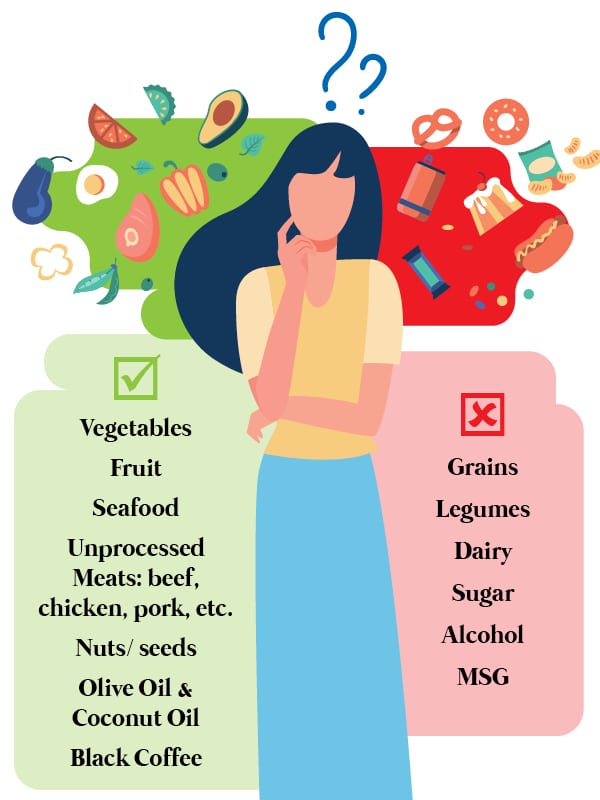
Designed as a 30-day nutritional reset, Whole30 emphasizes whole, unprocessed foods while eliminating common problem foods like sugars, grains, dairy, and legumes.
But how exactly does this diet work, and can it truly benefit people living with diabetes?
In this article, bestdietarysupplementfordiabetics.com dive deep into the fundamentals of the Whole30 diet, explore the science behind its impact on blood sugar control, and provide practical advice for those considering it as part of diabetes management.
Along the way, we shall share examples and research-backed facts to help you understand if Whole30 is the right choice for your health journey.
Article Index
- What Is the Whole30 Diet?
- Core Principles of the Whole30 Diet
- Understanding Diabetes and Blood Sugar Regulation
- The Role of Diet in Diabetes Management
- How the Whole30 Diet Helps Control Diabetes
- Scientific Evidence Linking Whole30 Principles to Diabetes Benefits
- Practical Tips for Following Whole30 with Diabetes
- Potential Challenges and Considerations for Diabetics
- Real-Life Success Stories and Examples
- Conclusion: Should You Try Whole30 for Diabetes?
What Is the Whole30 Diet?
The Whole30 diet is a structured, month-long nutrition program created by Melissa and Dallas Hartwig in 2009. Its primary goal is to “reset” your body by eliminating foods that might contribute to inflammation, digestive distress, or unhealthy cravings.
During the 30 days, participants avoid added sugars (including artificial sweeteners), alcohol, grains, legumes (like peanuts and soy), dairy products, and processed foods. The diet encourages eating whole, unprocessed foods such as vegetables, fruits, high-quality proteins, and healthy fats.
This elimination phase is designed to help you identify foods that may be negatively affecting your health.
After 30 days, you gradually reintroduce eliminated foods one at a time, monitoring how each affects your energy, digestion, mood, and—in the case of diabetes—blood sugar control.
Core Principles of the Whole30 Diet
Whole30 is built on several key principles:
- No added sugars or artificial sweeteners: Completely cutting out all added sugars helps prevent blood sugar spikes and reduces cravings.
- No grains or legumes: This removes many sources of carbohydrates that can rapidly raise blood glucose levels.
- No dairy (except clarified butter or ghee): Dairy is avoided to reduce potential inflammation or digestive issues.
- No alcohol: Eliminating alcohol supports liver health and avoids empty calories that affect blood sugar.
- No processed foods or additives: Whole30 encourages eating foods in their natural, unprocessed state such as gluten free diet for controlling blood sugar spikes.
- Focus on nutrient-dense foods: Meals are rich in vegetables, fruits, lean proteins like meat and seafood, eggs, nuts, seeds, and healthy fats such as avocado and olive oil.
The idea is to nourish your body with clean, wholesome ingredients that support metabolic health and reduce inflammation.
Understanding Diabetes and Blood Sugar Regulation
Diabetes is a chronic condition marked by high blood sugar levels, primarily due to the body’s inability to produce or effectively use insulin.
Insulin is a hormone that helps cells absorb glucose from the bloodstream to be used for energy or stored.
In type 1 diabetes, the pancreas produces little or no insulin. In type 2 diabetes, the body becomes resistant to insulin or doesn’t produce enough.
When blood sugar remains elevated for long periods, it can damage blood vessels, nerves, kidneys, and other organs, leading to serious complications.
That is why managing blood glucose through diet, exercise, and medication is critical.
The Role of Diet in Diabetes Management
Diet is a foundational component of diabetes care because the foods you eat directly impact blood sugar levels.
Foods rich in refined carbohydrates and sugars cause rapid blood glucose spikes, which strain insulin response and worsen insulin resistance over time.
Conversely, meals that contain fiber, protein, and healthy fats slow digestion and glucose absorption, helping maintain stable blood sugar and reducing harmful inflammation.
The American Diabetes Association (ADA) emphasizes personalized meal planning, focusing on whole foods that optimize blood sugar control, promote weight management, and improve heart health.
In this context, diets like Whole30 that emphasize unprocessed, nutrient-dense foods align well with ADA recommendations.
How the Whole30 Diet Helps Control Diabetes?
Whole30’s focus on eliminating added sugars, refined carbs, dairy, and processed foods makes it a promising option for blood sugar management.
Here is how:
- Eliminates Added Sugars and Sweeteners: By removing all added sugars—including hidden sugars in processed foods—Whole30 helps prevent sharp blood sugar spikes that are harmful in diabetes. This also helps break sugar cravings, which often lead to overeating.
- Cuts Out Grains and Legumes: Grains (such as wheat, rice, and oats) and legumes (like beans and lentils) are common carbohydrate sources. While some of these can be healthy in moderation, Whole30 temporarily removes them to reduce carbohydrate load and test how your body reacts. This can lead to improved insulin sensitivity and lower blood sugar levels.
- Increases Fiber Intake: Whole30 emphasizes vegetables and fruits, both excellent sources of fiber. Fiber slows the absorption of sugar in the bloodstream, helping prevent glucose spikes after meals. For example, non-starchy vegetables like broccoli, spinach, and cauliflower are low in carbs but high in fiber and nutrients.
- Promotes Healthy Fats and Protein: Whole30 encourages eating healthy fats such as olive oil, avocado, nuts, and fatty fish. These fats do not raise blood sugar and can improve insulin sensitivity. Additionally, protein from eggs, meat, and seafood increases satiety and stabilizes energy levels, preventing overeating.
- Reduces Inflammation: Chronic inflammation is associated with insulin resistance and diabetes complications. By eliminating processed foods, dairy, and other potentially inflammatory foods, Whole30 may help reduce systemic inflammation, improving metabolic health.
>>> Want to Learn How I “Treated My Diabetes Naturally” at Home??? Click Here to Find Out! <<<
Scientific Evidence Linking Whole30 Principles to Diabetes Benefits
While there are no large-scale clinical trials specifically on Whole30 and diabetes, many studies support the diet’s core principles:
- A 2019 study published in Nutrients showed that reducing added sugar intake improves insulin sensitivity and reduces risk factors for type 2 diabetes.
- Low-glycemic index diets, which avoid rapid blood sugar spikes by focusing on complex carbohydrates and fiber, have been shown to improve glycemic control in people with diabetes (Journal of the American Dietetic Association, 2010). Whole30’s elimination of grains and processed carbs mimics this effect.
- A 2020 review in Frontiers in Endocrinology highlighted that anti-inflammatory diets, emphasizing whole foods and avoiding processed ingredients, can improve insulin resistance and reduce systemic inflammation in type 2 diabetes patients.
- Studies on high-protein, low-carb diets demonstrate better weight loss and blood sugar control, both key goals of Whole30. For instance, a 2018 study in Diabetes, Obesity and Metabolism found that a higher protein intake helped improve HbA1c levels in type 2 diabetes patients.
Practical Tips for Following Whole30 with Diabetes
If you decide to try Whole30 to help manage diabetes, here are some practical considerations and tips:
- Consult Your Healthcare Provider First: Before starting Whole30, discuss your plan with your doctor or dietitian, especially if you take insulin or other diabetes medications. Blood sugar and medication adjustments may be necessary to avoid hypoglycemia.
- Monitor Blood Glucose Closely: Track your blood sugar before and after meals to understand how different Whole30 foods affect your levels. This can guide food choices and portion sizes.
- Plan Balanced, Nutrient-Dense Meals: Include a variety of non-starchy vegetables (like leafy greens, peppers, and zucchini), lean proteins (chicken, fish, eggs), and healthy fats (avocado, nuts, olive oil). For example, a salad with grilled salmon, mixed greens, avocado, and olive oil dressing is satisfying and blood sugar-friendly.
- Stay Hydrated: Drinking plenty of water supports kidney function and can help reduce hunger and cravings.
- Avoid Hidden Sugars and Processed Additives: Read labels carefully to avoid sneaky sugars or additives that may be present even in “health” foods.
- Use the Reintroduction Phase Wisely: After 30 days, reintroduce foods like legumes, dairy, or grains one at a time while monitoring your blood sugar and overall well-being. This can help identify which foods you tolerate well and which you might want to limit.
Potential Challenges and Considerations for Diabetics
Though promising, Whole30 may present some challenges for people with diabetes:
- Rapid Carb Reduction: Eliminating grains and legumes suddenly can cause a steep drop in carbohydrate intake. This may require medication adjustments and close monitoring to avoid low blood sugar episodes.
- Nutrient Gaps: Avoiding dairy and grains means you must ensure adequate intake of calcium, vitamin D, and certain B vitamins from other sources.
- Strictness and Sustainability: The rigid 30-day elimination can be difficult to maintain long term. Some may find it restrictive or socially challenging.
- Individual Responses Vary: Not everyone with diabetes responds the same way. Some may find legumes or dairy beneficial for blood sugar control, so personalization is key.
- Cost and Accessibility: Eating high-quality meats, seafood, and fresh produce can be expensive and may not fit everyone’s budget.
Real-Life Success Stories and Examples
Many people with diabetes have found success using Whole30 principles or similar clean-eating approaches:
- A 52-year-old woman with type 2 diabetes shared that after completing Whole30, she lost 15 pounds, reduced her HbA1c from 7.5% to 6.2%, and felt more energetic. She credits eliminating sugar and processed foods for stabilizing her blood sugar levels.
- A diabetes educator reported a client who reduced daily blood sugar variability by following a Whole30-inspired plan, focusing on home-cooked meals with lean proteins and vegetables. The client was able to reduce diabetes medication under medical supervision.
- Another testimonial came from a man who had struggled with sugar cravings for years. Whole30 helped him break those cravings and develop a better relationship with food, resulting in improved glucose control and weight loss.
Conclusion: Should You Try Whole30 for Diabetes?
The Whole30 diet offers a practical, whole-food-based approach that aligns well with diabetes management goals.
By eliminating added sugars, refined carbs, dairy, and processed foods, while emphasizing nutrient-dense vegetables, healthy fats, and protein, Whole30 can help improve blood sugar control, reduce inflammation, and support weight management.
Though direct clinical trials on Whole30 and diabetes are limited, the diet’s principles are supported by a strong body of research on nutrition and metabolic health.
With proper medical guidance, careful monitoring, and personalized adjustments, Whole30 can be a powerful tool in your diabetes care plan.
If you decide to try Whole30, approach it as a learning experience to discover which foods help you feel your best and maintain stable glucose levels.
Remember to prioritize balance, sustainability, and professional support to ensure long-term success.
In essence, Whole30 is more than a diet—it is an opportunity to reset your eating habits and build a foundation for healthier living.
For people with diabetes, this can translate into better energy, fewer glucose fluctuations, and reduced risk of complications.
Consult your healthcare team and consider Whole30 as a thoughtful, evidence-aligned option on your path to optimal diabetes management and vibrant health.
References:
