
Diabetes is indeed a prominent public-health issue in Jefferson County and the Birmingham, Alabama, area. However, the fact that it has been growing in recent years cannot be explained solely by lifestyle choices or sugar levels.
The increase is not explained by one factor. Local diabetes trends are influenced by obesity, physical inactivity, food access, socioeconomic conditions, healthcare access, age, family history, and other biological and social determinants.
There is a complex of different reasons that have contributed to the increase in Jefferson County, which include obesity, exercise, food access, socioeconomics, healthcare, demographics, and some risk factors specific to type 2 diabetes.
According to the most recent local data, the percentage of diagnosed diabetes cases in Jefferson County has grown from 13.5% in 2018 to 14.3% in 2022. The numbers for the corresponding years are 13.9%, 13.6%, and 14.1%, respectively.
These statistics are based on the CDC BRFSS PLACES database and were published by Baptist Health in the 2025 community health assessment.
The trend is worth examining, but it should be interpreted carefully. Diabetes prevalence can be influenced by several factors beyond the development of new cases, including screening and diagnostic practices, healthcare access, population aging, survival, and changes in methodology.
A change in incidence and prevalence of a disease depends on screening and diagnostic practices, surveillance, changes in population structure, such as aging, and morbidity and mortality trends.
Therefore, the growth of diagnosed cases of diabetes in Jefferson County is a symptom of a larger issue, which has multiple causes.
Article Index
- Jefferson County Diabetes Statistics at a Glance
- Has Diabetes Actually Increased in Jefferson County?
- Diabetes Prevalence vs. Diabetes Incidence
- Why Is Diabetes Increasing in Jefferson County and Birmingham?
- Obesity and Type 2 Diabetes Risk
- Physical Inactivity
- Food Access and Food Insecurity
- Dietary Patterns
- Socioeconomic Conditions
- Healthcare Access and Screening
- Age, Family History, and Other Risk Factors
- Health Differences Across Communities
- The Built Environment and Opportunities for Physical Activity
- Sleep, Stress, and Daily Circumstances
- Why Birmingham’s Diabetes Problem Cannot Be Explained by Diet Alone
- Why Do Jefferson County Diabetes Statistics Differ Between Sources?
- What Do Diabetes Trends Mean for Birmingham Residents?
- What Can Jefferson County Do to Reduce the Diabetes Burden?
- What Can Individuals Do About Their Diabetes Risk?
- Frequently Asked Questions
- Bottom Line
- References
Jefferson County Diabetes Statistics at a Glance
| Measure | Jefferson County finding | Source |
|---|---|---|
| Diagnosed diabetes — 2018 | 13.5% | CDC BRFSS PLACES, reported by Baptist Health |
| Diagnosed diabetes — 2019 | 13.9% | CDC BRFSS PLACES, reported by Baptist Health |
| Diagnosed diabetes — 2020 | 13.6% | CDC BRFSS PLACES, reported by Baptist Health |
| Diagnosed diabetes — 2021 | 14.1% | CDC BRFSS PLACES, reported by Baptist Health |
| Diagnosed diabetes — 2022 | 14.3% | CDC BRFSS PLACES, reported by Baptist Health |
| Adult obesity | 39% | UAB Medicine 2025 CHNA |
| Physical inactivity | 30% | UAB Medicine 2025 CHNA |
| Insufficient sleep | 38% | UAB Medicine 2025 CHNA |
| Access to exercise opportunities | 80% | UAB Medicine 2025 CHNA |
The diabetes trend in the figure above is based on a local community health assessment that used data from CDC BRFSS PLACES, whereas the obesity and physical-inactivity statistics were obtained from the 2025 UAB Medicine Jefferson County Community Health Needs Assessment.
This implies that these are two separate sets of data that were used to create the graphs. It does not mean that the statistics were taken from the same year or source.
Has Diabetes Actually Increased in Jefferson County?
The available local data show an increase in diagnosed diabetes prevalence during the 2018–2022 period.
The reported figures are as follows:
- 2018: 13.5%
- 2019: 13.9%
- 2020: 13.6%
- 2021: 14.1%
- 2022: 14.3%
The 2022 estimate was higher than the 2018 estimate, but these prevalence figures alone cannot tell us how the number of new cases changed during the period. Yet, the data should not be interpreted as a confirmation of this hypothesis.
Prevalence and incidence are different
Prevalence refers to the proportion of a population at a given time that has a particular condition.
On the other hand, incidence reflects the number of new cases of a condition within a population during a specified period of time.
Therefore, increased prevalence of a condition can be due to increased incidence of that condition, but also other factors, such as increased testing, greater access to healthcare, aging populations, increased survival rates, or other demographic or methodological changes.
That said, I would say that it is more correct to claim that the prevalence of diagnosed diabetes among Jefferson County adults increased from 2018 to 2022 in the given local data set, rather than stating that diabetes is spreading.
Why Is Diabetes Increasing in Jefferson County?
Obesity Is an Important Part of the Local Diabetes Picture
Obesity is one of the most important modifiable risk factors for type 2 diabetes.
Excess body fat can lead to insulin resistance, resulting in decreased cellular responsiveness to insulin, and the pancreas’ decreased ability to compensate can lead to type 2 diabetes in genetically or otherwise predisposed individuals.
Obesity is an issue in Jefferson County.
The 2025 UAB Medicine Community Health Needs Assessment reports 39% for Jefferson County adults age 20 and older compared to 41% for Alabama within the same dataset.
Meanwhile, a separate 2025 Baptist Health community health assessment using CDC BRFSS PLACES data found that the adult obesity rate in Jefferson County increased from 34.5% in 2018 to 39.5% in 2022.
The figures come from different reports and should not be treated as interchangeable. Differences in the reporting period, underlying data, definitions, or methodology may contribute to the variation.
At the population level, however, a high prevalence of obesity means that more residents are exposed to an established risk factor for type 2 diabetes.
Rather, it highlights that a high prevalence of obesity means a larger population is exposed to one of the major risk factors for type 2 diabetes.
Physical Inactivity Can Increase Type 2 Diabetes Risk
The impact of physical activity on the body can be seen in different processes, including the utilization of glucose, and the response to insulin.
Increased physical activity can help muscles to absorb glucose, and it can also improve the body’s sensitivity to insulin.
Low physical activity, particularly when combined with overweight or obesity, can contribute to poorer metabolic health and increase the risk of type 2 diabetes.
The 2025 UAB Medicine Jefferson County report states that 30% of the adults in this county were physically inactive.
Physically inactive adults are classified as those who do not participate in any leisure-time physical activities.
The report further adds that approximately 80% of the population in Jefferson County has access to places for physical activity, which does not mean that 80% of the population participates in physical activity.
This fact explains the need to address the issue at both individual and community levels.
The community has many recreational facilities where people can engage in physical activity.
However, many people do not have the opportunity, due to a number of reasons like time, illness or disability, bad weather, lack of exercise-friendly environment, work, family commitments, or lack of interest.
Therefore, access to exercise opportunities and actual participation in physical activity should be considered separately. Having a park, recreation center, trail, or other facility nearby does not guarantee that every resident can use it regularly.
Food Access and Food Insecurity Can Make Healthy Eating More Difficult
Another aspect of the diabetes discussion is the local food environment.
Healthy eating is shaped by more than personal preferences.
Household income, the price of food items, transportation options, availability of grocery stores in the neighborhood, work schedules, and the availability of fresh foods are all factors that can affect what people are able to realistically purchase and prepare.
Jefferson County’s community health planning documents highlight access to fresh food as one of the concerns tied to their county’s built environment. Additionally, the county’s broader health planning efforts highlight both healthy living and diabetes as being important community health issues.
This does not imply that the lack of a grocery store would lead to a diagnosis of diabetes, but rather that having limited access to affordable and nutritious foods can make it more difficult for a household to consistently adhere to an eating pattern known to have beneficial implications for metabolic health.
This is one reason why the causes of diabetes should not be reduced to the simple statement that people “eat too much sugar.”
Dietary Patterns Can Influence Type 2 Diabetes Risk
Diet is an issue, but the matter is complicated by the fact that the relationship between diet and diabetes is not as simple as one food causing the disease.
Regularly consuming more calories than the body needs can contribute to excess weight. A diet high in highly processed foods, sugar-sweetened beverages, refined carbohydrates, and excess calories can make healthy weight management more difficult.
However, the overall dietary pattern is also essential.
The diabetes risk of an individual cannot be determined by whether they have fried chicken, biscuits, cornbread, desserts, or other traditional Southern foods sometimes.
A better option would be to consider the overall diet, which includes vegetables, fruits, legumes, whole grains, appropriate amounts of protein, and minimally processed food with limited added sugars and highly processed foods.
This is especially important for local health messages since targeting specific foods can turn away from the real issues that determine dietary patterns.
Socioeconomic Conditions Can Shape Diabetes Risk
Socioeconomic conditions may indirectly affect the development of diabetes by influencing several other factors related to the disease.
Financial instability can make it harder to consistently afford or access resources that support diabetes prevention and care, including nutritious food, transportation, preventive healthcare, medications, diabetes supplies, physical-activity opportunities, and health education:
- appropriate nutritious diet
- means of transport
- preventive care
- medications
- diabetes supplies
- physical activity
- education
A person with a lower income may also experience a delay in meal preparation due to the individual working more than one job or facing job instability. The lack of financial stability may also result in limited access to healthcare services.
Poverty does not act as a single direct cause of type 2 diabetes, but socioeconomic conditions can influence several established risk factors and barriers to prevention.
For instance, poverty may contribute to a person’s inability to maintain an appropriate diet and receive preventive care, increasing the likelihood of developing the disease.
Healthcare Access Can Influence Diabetes Diagnosis
Jefferson County has a significant healthcare system within it, including major hospitals, primary-care services, specialty practices, community health resources and academic medical care.
However, having health facilities does not mean that every single person has equal access to them.
Cost, insurance coverage, transport accessibility, appointment availability, work schedule arrangements, health literacy status and other factors can contribute to or limit one’s chance of receiving preventative screening.
This is particularly relevant when interpreting diagnosed diabetes statistics as some people may have had the disease and not be aware, meaning that better access to diagnostic screenings may add up to significantly higher cases of diagnosed diabetic individuals.
The Alabama Department of Public Health notes that low screening rates and limited access to health services can contribute to diabetes being diagnosed only after serious health consequences have begun.
Therefore, one should refrain from using the rise of diagnosed diabetic cases as an indicator of inadequate healthcare service.
In some situations it may actually suggest the opposite.
Population Age and Other Risk Factors Matter
Age is a risk factor for developing type 2 diabetes.
With advancing age, there are physiological changes in body composition, insulin sensitivity, physical activity levels, and other factors that may contribute to the development of the disease.
A family history of type 2 diabetes also increases one’s risk.
The Alabama Department of Public Health has identified several risk factors for type 2 diabetes, including prediabetes, overweight, age 45 or older, a family history of type 2 diabetes, insufficient physical activity, and history of gestational diabetes.
I believe this information is critical since it is impossible to predict diabetes prevalence in a given population based solely on the food and physical activity patterns of the communities.
It may differ because the communities may have different population structures, or a different proportion of people with specific risk factors.
Diabetes Risk and Health Outcomes Are Not Equal Across All Groups
Diabetes does not impact all populations in Alabama equally.
The Alabama department of Public health states that diabetes affects the Black/African American population and the geriatric population more severely and that there appears to be a higher prevalence of self-reported diabetes among black residents than white residents at the state level.
However, these differences should not be interpreted as meaning that race itself causes diabetes.
Health inequalities often stem from myriad risk factors that are disproportionately present within certain populations of color, such as:
- income,
- living conditions,
- nutritional opportunities,
- health care access,
- educational levels,
- physical activity,
- stress,
- housing,
- and other social determinants of health.
This distinction is important because racial disparities in diabetes should not be reduced to biological explanations. Differences in income, living conditions, food access, healthcare access, education, physical activity opportunities, chronic stress, and other social determinants can all contribute to unequal health outcomes.
A responsible article about diabetes and its disproportionate effects would note these contributing environmental and socioeconomic factors instead of asserting that one race inherently has poorer health outcomes.
The Built Environment Can Influence Health Behaviors
Where people live can impact their ability to engage in healthy behaviors.
Jefferson County’s health-planning work identifies transportation, access to trails, sidewalks, parks and recreational facilities, and the broader built environment as important community-health considerations.
These can be indirect determinants of health.
For example, an individual may wish to exercise more, but lack access to places that are convenient and safe to do so. An individual may wish to eat healthy foods, but may not have transportation to or be able to afford healthy food options.
The built environment should be included when discussing social determinants of health, despite the fact that it is not a direct contributor to diabetes.
Stress, Sleep and Daily Circumstances Can Add to the Risk Picture
Stress and sleep deprivation are sometimes said to directly cause diabetes, but the matter is not so simple.
Chronic stress can affect eating patterns, the ability – or willingness – to exercise, sleep, weight, and other factors. Sleep deprivation can also lead to dysregulation of metabolism and the development of bad habits.
The 2025 UAB Medicine study found that 38% of Jefferson County adults were sleep-deprived, meaning that they averaged less than seven hours of sleep per night.
This figure does not establish that insufficient sleep caused the increase in diagnosed diabetes. It simply identifies another population-level health factor that can overlap with metabolic and lifestyle risks.
The stress could come from a multitude of factors: poverty, a demanding job, lack of nutrition, or the inability to go outside and jog due to the circumstances mentioned above.
It is a combination of these factors that makes up a comprehensive view of diabetes: a multifactorial disease.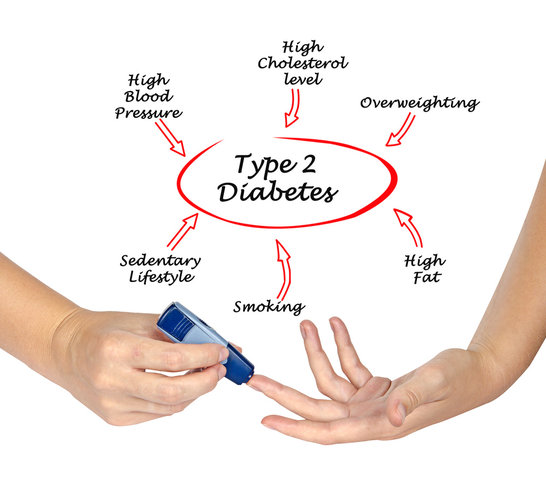
Why Birmingham’s Diabetes Problem Cannot Be Explained by Diet Alone
It is tempting to blame the diabetes crisis in Birmingham on sweet tea, fried foods, desserts, or other high-calorie foods.
But there is more to the story.
A person’s likelihood of developing diabetes can be influenced by a combination of:
Biology + body weight + physical activity + diet + access to food + income + health care access + age + family history + neighborhood and environment.
Some of these factors may interact. For example, some people may have less access to grocery stores or health care because of where they live or their income. People with certain jobs may not have time to exercise or get regular medical check-ups. Less sleep can also interfere with health.
Each of these factors alone does not determine whether a person develops diabetes. But all of them together may contribute to the diabetes burden at the population level.
Why Do Jefferson County Diabetes Statistics Differ Between Sources?
Readers might find different percentages for diabetes when they search for Jefferson County.
That does not necessarily mean that one source is wrong.
Different data sets can measure different things.
CDC PLACES
CDC PLACES provides local estimates for counties, cities, census tracts and ZIP Code Tabulation Areas. These are model-based estimates that use information from sources including the Behavioral Risk Factor Surveillance System, Census population data, and American Community Survey data.
Because PLACES estimates are modeled, they should not be interpreted as a direct head count of every Jefferson County resident with diabetes.
Community Health Needs Assessments
Hospitals and health systems may use CDC PLACES, BRFSS, Census data and other sources in their community health assessments.
These reports can combine different data sets to describe the health needs of their service areas.
State Public-Health Data
The Alabama Department of Public Health uses several data sources to describe diabetes across the state, including BRFSS and other administrative and mortality data sets.
Why this matters?
When comparing two statistics for diabetes, ask yourself:
- What year does the statistic represent?
- Is it for Jefferson County or for Birmingham city?
- Does it refer to adults or the entire population?
- Is it diagnosed diabetes or something else?
- Is it a direct survey estimate or a model-based estimate?
- Are the sources using the same methodology?
Without that context, comparing percentages can give a false impression of change.
What Does the Jefferson County Trend Mean for Birmingham Residents?
The local pattern provides useful community context, but it cannot determine an individual’s personal risk.
A Birmingham resident may have a higher or lower individual risk than the county average at much lower or higher risk than the county average depending on:
- their age,
- close family history, weight,
- physical activity,
- blood pressure,
- a history of gestational diabetes or other pregnancy-related risk factors,
- medications, and other factors.
Likewise, living in an area with more health risks doesn’t indicate diabetes will develop.
Community statistics are about populations.
They are not individual medical assessments.
If you feel you might be at risk for type 2 diabetes or have symptoms, a screening by an appropriate medical professional can assess whether testing for prediabetes or diabetes is warranted.
What Can Jefferson County Do to Reduce the Diabetes Burden?
The answer cannot be contained in the reminder that residents eat better.
Community-based diabetes prevention can have multiple aspects.
These include:
- improving access to healthy foods
- providing opportunities for exercise,
- enhancing screening,
- diabetes education,
- improving access to primary care,
- broadening social resources and community life.
Community-based initiatives to prevent type 2 diabetes will likely include a combination of strategies to make healthy eating easier. These include:
- increased physical activity,
- improved screening and early interventions,
- increased awareness and provide diabetes education,
- affordable primary care, with appropriate access to specialists and related services
What Can Individuals Do About Their Diabetes Risk?
Community environment plays an important role, but the person can make evidence-based choices.
If you have risk factors for type 2 diabetes, discuss the following with your healthcare professional:
- diabetes/prediabetes screening
- blood pressure
- cholesterol
- healthy weight management
- appropriate physical activity
- dietary changes
- family history and other risk factors
Modest changes in diet and exercise may be easier to carry out than quick diets or extreme workouts.
If you have been diagnosed with diabetes, it is better to make individual decisions in cooperation with your healthcare professional instead of using information about the county as a reference.
For detailed guidance on diabetes management in Birmingham and Jefferson County see how to manage and control diabetes in Jefferson County.
For a discussion of the practical effects diabetes can have on work, family, finances, mental health and everyday life, see how diabetes affects daily life in Jefferson County.
Frequently Asked Questions:
Is diabetes rising in Jefferson County, Alabama?
The available local data show that the percentage of Jefferson County adults reporting diagnosed diabetes increased from 13.5% in 2018 to 14.3% in 2022, although the estimate fluctuated during the intervening years.
What is the diabetes rate in Jefferson County?
A 2025 Baptist Health community health assessment reported that 14.3% of Jefferson County adults had diagnosed diabetes in 2022. The figure refers to adults who indicated that they had been told by a healthcare professional that they had diabetes, not including cases of diabetes during pregnancy.
Why is diabetes so common in Birmingham?
There is likely not a single reason, but obesity, physical inactivity, food access, social, healthcare-related, age-related, family-history and other factors may coincide and contribute to higher rates of type 2 diabetes.
Is obesity rising in Jefferson County?
Yes, obesity is a substantial local health concern. A 2025 Baptist Health assessment reported that adult obesity in Jefferson County increased from 34.5% in 2018 to 39.5% in 2022, while the 2025 UAB Medicine assessment reported 39% using its cited dataset.
Because the reports use different datasets and reporting frameworks, the figures should not be treated as directly interchangeable.
How does physical inactivity contribute to diabetes?
Regular physical activity helps muscles use glucose and can improve insulin sensitivity. Low physical activity is an established risk factor for type 2 diabetes. As per a UAB Medicine 2025 Jefferson County assessment, around 30% of adults are physically inactive.
Does food insecurity cause diabetes?
It is not accurate to attribute a complex disease like diabetes to food insecurity. However, the latter is a serious social determinant that may exacerbate the effects of unhealthy nutrition.
Does stress cause diabetes?
It is not accurate to state that stress causes diabetes, but rather that poor management of stress, alongside poor sleep, irregular eating patterns, physical inactivity, weight-gain and other factors may be involved in development of type 2 diabetes.
Are Black people in Alabama more affected by diabetes?
State-level Alabama public-health data indicates higher rates of diabetes among black/African American residents than their white counterparts. The difference should not be interpreted as meaning that race itself causes diabetes. Social, economic, environmental, healthcare-access, and other factors can contribute to these disparities.
Why are there different percentages for diabetes in Jefferson County?
It depends on the website – different websites may use data from different years, populations, geographic regions, sources and methods.
Can diabetes be lowered in Jefferson County?
Potentially, yes. Reducing the community diabetes burden would likely require a combination of prevention, earlier detection, healthy-food access, opportunities for physical activity, diabetes education, primary-care access, and efforts to address broader social determinants of health.
What is the difference between diabetes prevalence and diabetes incidence?
Prevalence is used in the ratio of the population that has the condition at a particular time, and the incidence is the number of cases that have occurred during the specific period. An increase in prevalence does not always indicate that the number of incidence has risen as diagnosis, survival rates, aging of the population, availability of healthcare services, and other factors can change the prevalence.
Is Birmingham part of Jefferson County?
Birmingham is the largest city in Jefferson County, but Jefferson County also includes other communities. County-level statistics therefore should not automatically be interpreted as Birmingham-only statistics.
Bottom Line
Diabetes is increasing in Jefferson County in the sense that the reported prevalence of diagnosed diabetes rose from 13.5% in 2018 to 14.3% in 2022 in the local CDC BRFSS PLACES data reported by Baptist Health.
However, there is no single reason for the increase.
Jefferson County faces a combination of factors that can influence diabetes risk including substantial adult obesity, physical inactivity, food-access challenges, socioeconomic conditions, healthcare-access barriers, population characteristics and health disparities.
The most important point is that diabetes should not be reduced to an issue of personal willpower or sugar consumption.
Individual biology matters but so do the environments and circumstances in which people live.
For Birmingham and Jefferson County, reducing the diabetes burden requires both individual prevention and broader community-level efforts to improve access to healthy food, physical activity, preventive healthcare, diabetes education and other resources.
Local statistics can tell us where the community faces challenges.
They cannot determine whether a particular person will develop diabetes.
If you are concerned about your own risk, speak with a qualified healthcare professional about appropriate screening and prevention.
References:
- UAB Medicine. 2025 Community Health Needs Assessment — Jefferson County, Alabama.
https://www.uabmedicine.org/wp-content/uploads/sites/3/2025/08/2025-CHNA-UAB-Jefferson-County-Facilities_8.4.25.pdf - Baptist Health. 2025 Community Health Needs Assessment.
https://www.baptisthealthal.com/-/media/speedway/files/2025princetonreportonlinefinal508.pdf?la=en - Jefferson County Department of Health. Community Matters.
https://www.jcdh.org/SitePages/About/CommMatters.aspx - Alabama Department of Public Health. Diabetes Risk Factors.
https://www.alabamapublichealth.gov/diabetes/risk.html - Alabama Department of Public Health. Diabetes.
https://www.alabamapublichealth.gov/diabetes/ - Alabama Department of Public Health. General Diabetes Information.
https://www.alabamapublichealth.gov/diabetes/general.html - Alabama Department of Public Health. Behavioral Risk Factor Surveillance System (BRFSS).
https://www.alabamapublichealth.gov/BRFSS/ - Centers for Disease Control and Prevention. Diabetes.
https://www.cdc.gov/diabetes/ - For Educational Purpose only https://bestdietarysupplementfordiabetics.com/medical-disclaimer-health-information-policy/
- Why Trust Us? https://bestdietarysupplementfordiabetics.com/why-trust-bestdietarysupplementfordiabetics-com/

admin
All Posts