
Diabetes prevention and management begin with practical steps that can be incorporated into everyday life.
For residents of Forrest County and Hattiesburg, these steps may include getting appropriate screening, becoming more physically active, eating a balanced diet, maintaining a healthy weight when appropriate, getting enough sleep, managing stress, and learning how to manage the condition and its treatment.
Type 2 diabetes can often be prevented or delayed, particularly among people with prediabetes or an increased risk of developing the condition. For people who already have diabetes, appropriate medical care and healthy lifestyle habits can help manage the condition and reduce the risk of complications.
There is no single diet, exercise program, supplement, or other approach that works for everyone. Diabetes prevention and management should be individualized based on a person’s medical history, risk factors, symptoms, type of diabetes, and treatment plan.
This guide provides Forrest County and Hattiesburg residents with practical information about diabetes screening, prevention, management, lifestyle changes, and local resources.
Who this Guide is For?
This resource is intended for the residents of Forrest County and Hattiesburg and is aimed to help them assess their risk for type 2 diabetes, get informed about diabetes screening, make healthy lifestyle changes, or learn more about living with diabetes. This resource is provided as a general educational reference and is not a substitute for professional medical advice.
Quick Answer: How Can Forrest County Residents Prevent or Manage Diabetes?
For people with prediabetes or those at risk for type 2 diabetes, the recommended approaches include timely screenings, increased physical activity, a balanced diet, maintenance of a healthy weight, improved sleep, and reduction of other risk factors.
Meanwhile, people who are already diagnosed with diabetes should follow an individualized management plan that may include healthy lifestyle habits, glucose monitoring, medication use, regular check-ups, and diabetes self-management education.
In either case, a person with concerns about prediabetes or diabetes should contact a healthcare professional to set up a glucose screening and an individual treatment plan.
Important: The information provided in this article should not be used as a substitute for medical advice from your doctor or other medical professional. Any and all matters regarding blood sugar, prediabetics and diabetics should be discussed with a qualified health care provider.
Article Index
- Quick Answer: How Can Forrest County Residents Prevent or Manage Diabetes?
- Why Diabetes Screening Matters in Forrest County
- What Does Diabetes Screening Involve?
- Common Tests Used to Screen for Prediabetes and Diabetes
- Which Diabetes Test Is Right for You?
- Who Should Talk With a Healthcare Professional About Screening?
- Preventing Type 2 Diabetes vs. Managing Existing Diabetes
- Proven Ways to Reduce Type 2 Diabetes Risk
- Lifestyle Changes That Can Help With Blood Sugar Control
- Medication Adherence and Blood Sugar Monitoring
- Diabetes Education and Self-Management Support
- Community Resources for Diabetes Prevention and Management
- Practical Steps Forrest County Residents Can Take
- When to Talk With a Healthcare Professional
- Frequently Asked Questions
- Bottom Line
- Medical Disclaimer
- References
Why Diabetes Screening Matters in Forrest County
Diabetes can develop gradually, and individuals with prediabetes or type 2 diabetes may not always notice symptoms.
Appropriate screening is, therefore, crucial, especially for people who have risk factors.
Screening can help detect prediabetes or diabetes before noticeable symptoms develop, giving people a chance to consult a healthcare professional about treatment or preventative measures.
Forrest County has an estimated population size of around 79,000 people. Over 16% of residents are estimated to be aged 65 or older, while 12.8% of persons under 65 are estimated to lack health insurance. Roughly 21.4% of residents are estimated to be living below the poverty level.
While these figures cannot be directly linked to individual risk, they can serve as valuable background information when considering the healthcare access and chronic disease management of the community.
Common Tests Used to Screen for Prediabetes and Diabetes
Several blood tests can be used to screen for or diagnose prediabetes and diabetes. The specific test recommended by a healthcare professional can depend on whether you have symptoms, your risk factors, your medical history, whether you are pregnant, and other individual factors.
A1C Test
The A1C test (also called hemoglobin A1C or HbA1c) measures your average blood glucose level over approximately the previous three months.
One advantage of an A1C test is that you generally do not need to fast before having the blood drawn. It can be used to help identify prediabetes and type 2 diabetes and is widely used to help monitor diabetes after diagnosis.
For people without symptoms, an abnormal A1C result may need to be confirmed with repeat testing or another appropriate diabetes test before a diagnosis is made.
Fasting Plasma Glucose Test
A fasting plasma glucose (FPG) test measures blood glucose after you have not eaten for at least 8 hours. It is usually done in the morning, with water generally allowed during the fasting period.
This test can be used to help identify prediabetes or diabetes and provides a measurement of your blood glucose at a specific point in time.
Because fasting glucose can be affected by factors such as illness, stress, and other short-term changes, your healthcare professional considers the result along with your overall health and other information.
Oral Glucose Tolerance Test
An oral glucose tolerance test (OGTT) measures how your body handles glucose.
After fasting, a blood sample is taken to measure your glucose level. You then drink a glucose-containing liquid, and another blood sample is taken later to measure how your blood glucose responds.
The OGTT can be used to help identify prediabetes and diabetes. It is more involved than an A1C or fasting glucose test (it requires fasting, drinking a glucose solution, and staying at the testing location for additional blood testing).
The OGTT is also used in certain circumstances during pregnancy to evaluate for gestational diabetes; however, pregnancy-specific testing recommendations can differ from those used for nonpregnant adults.
Random Plasma Glucose Test
A random plasma glucose test measures blood glucose at the time the blood sample is taken (so fasting is not required).
Healthcare professionals may use this test when someone has symptoms of diabetes and waiting for a fasting test would not be appropriate. A random glucose measurement is not generally used as the routine screening test for people who have no symptoms.
Age, risk factors, previous test results, and medical history can all influence how often testing is recommended.
It is better not to assume that everyone should be tested at the same intervals; instead, ask your healthcare professional when you should start screening and how often you should do it.
Which Diabetes Test Is Right for You?
There is not one diabetes screening test that is right for everyone.
Your healthcare professional may consider an A1C test, fasting plasma glucose test, oral glucose tolerance test, or another test based on your symptoms, risk factors, medical history, pregnancy status and other criteria.
Different tests may give different results, so an abnormal result may need to be confirmed with additional testing before a diagnosis of diabetes is made.
If you are concerned about your blood glucose levels, have risk factors for type 2 diabetes or are experiencing symptoms associated with diabetes, speak with a qualified healthcare professional about getting tested and what type of test is appropriate for you.
Who Should Talk With a Healthcare Professional About Screening?
Risk factors for type 2 diabetes include:
- overweight or obesity,
- increasing age,
- having a parent, brother, or sister with type 2 diabetes,
- physical inactivity,
- prediabetes,
- a history of gestational diabetes, and
- certain other health conditions.
Having one or more risk factors does not necessarily mean that a person will develop diabetes.
It just means that consulting a healthcare professional about screening is warranted.
Individuals who are experiencing symptoms of diabetes should seek medical evaluation instead of waiting for a routine screening test.
Preventing Type 2 Diabetes vs. Managing Existing Diabetes
The approach to the condition depends on whether a person has prediabetes, type 2 diabetes, type 1 diabetes, or another form of diabetes. Preventing type 2 diabetes and managing diagnosed diabetes are related but different areas.
If You Have Prediabetes
Prediabetes is a condition in which blood glucose levels are higher than normal but not high enough to be classified as diabetes. Prediabetes increases the risk of developing type 2 diabetes, but progression is not inevitable. Evidence-based lifestyle changes can help reduce or delay that risk.
The primary objective for people with prediabetes is to reduce the risk of developing type 2 diabetes.
This usually involves making changes in lifestyle, such as:
- getting more exercise,
- adopting a healthier diet,
- losing a small amount of weight if overweight and it is appropriate,
- controlling other risk factors for diabetes, and
- participating in a proven diabetes prevention program if appropriate.
The CDC’s National Diabetes Prevention Program is specifically designed for people with prediabetes or an increased risk of type 2 diabetes who do not yet have diabetes.
Studies conducted to develop the program showed that a lifestyle change focusing on losing about 5% to 7% of the body weight and at least 150 minutes of physical activity per week reduced the risk of developing type 2 diabetes by 58% among adults at high risk.
The goal is not to make radical changes in the short term in order to follow a “diabetes diet” but to develop realistic habits that can be maintained.
If You Already Have Type 2 Diabetes
Once diagnosed with type 2 diabetes, a person’s treatment goals begin to shift from prevention techniques to managing the disease and avoiding its complications.
The most appropriate strategy for achieving effective diabetes control includes:
- monitoring blood glucose levels when appropriate,
- maintaining a desirable A1C,
- taking medication as directed,
- eating a balanced diet,
- engaging in regular exercise,
- lowering blood pressure and cholesterol,
- preserving a healthy weight if needed.
Attending to other medical needs and receiving diabetes self-management support are also essential components of the treatment plan.
Lifestyle modifications play an important role in diabetes management, but they should not replace evidence-based therapies. People with diabetes should never discontinue or adjust their medication without consulting their healthcare professional.
Diabetes Self-Management Education and Support programs can help patients find practical solutions to diet, exercise, medication adherence, glucose monitoring, problem-solving techniques, coping strategies, and methods for preventing diabetes-related complications.
If You Have Type 1 Diabetes
Type 1 diabetes is different from type 2 diabetes. It occurs when the immune system attacks and destroys the insulin-producing beta cells in the pancreas, resulting in little or no insulin production.
At this time, type 1 diabetes cannot be prevented by the lifestyle modifications used to prevent type 2 diabetes. Diet and lifestyle contribute to the development of type 2 diabetes, but not to type 1 diabetes.
Maintaining a healthy diet, exercising regularly, getting enough sleep and other healthy habits are still essential for a person with type 1 diabetes. However, these measures are part of the overall management of the disease, rather than a prevention strategy.
People with type 1 diabetes require insulin every day and need ongoing medical care to manage blood glucose and reduce the risk of complications. Insulin may be delivered by injection or an insulin pump, depending on the person’s treatment plan.
What About Gestational Diabetes?
Gestational diabetes is associated with pregnancy and proper management of this disease requires pregnancy-specific medical care.
Therefore, people who are pregnant or planning to become pregnant should consult their healthcare professional about their individual risk factors, screening, nutritional and physical activity management, and weight goals instead of trying to go on a weight-loss diet themselves.
The Key Difference
If you have prediabetes, the aim is to reduce or delay the onset of type 2 diabetes.
If you have type 2 diabetes, the aim is to control blood glucose and other risk factors and prevent or delay the complications of the disease.
If you have type 1 diabetes, similar lifestyle modifications are beneficial, but they cannot prevent the development of type 1 diabetes.
Knowing the objectives for people who have prediabetes, type 1 or type 2 diabetes can help you concentrate on the measures needed for your condition and not on unnecessary ones.
Proven Ways to Reduce Type 2 Diabetes Risk
For people at increased risk of developing type 2 diabetes, prevention is generally based on sustainable lifestyle changes rather than crash diets or extreme short-term measures.
The goal is to develop realistic habits that can be maintained over time. These may include becoming more physically active, improving eating habits, managing weight when appropriate, getting adequate sleep, and addressing other risk factors.
The CDC’s National Diabetes Prevention Program follows this long-term approach. Its lifestyle-change program is designed to help people with prediabetes or an increased risk of type 2 diabetes reduce or delay their risk through healthier eating, physical activity, and weight management.
Among adults at high risk, the Diabetes Prevention Program lifestyle intervention reduced the risk of developing type 2 diabetes by 58%.
Maintain a Healthy Weight When Appropriate
Overweight and obesity are significant risk factors for type 2 diabetes.
Excess body fat is associated with increased insulin resistance, which can contribute to the development of type 2 diabetes.
For people with prediabetes who have overweight or obesity, even modest weight loss can be beneficial, and structured lifestyle programs can help reduce the risk of progressing to type 2 diabetes.
The goal should not be to follow an extreme diet but to strive for a healthy lifestyle that will help to prevent other chronic diseases as well.
For people with prediabetes who have overweight or obesity, losing about 5% to 7% of body weight was the weight-loss target used in the Diabetes Prevention Program lifestyle intervention.
Get Regular Physical Activity
Physical activity is one of the most useful lifestyle tools.
It helps muscles utilize glucose and improves insulin sensitivity too.
You need not spend a fortune at a health club to get some exercise.
Walking, bicycling, swimming, gardening, cleaning and more can all help you to get active.
The CDC recommends that people with prediabetes aim to get at least 150 minutes of moderate physical activity every week, like when walking briskly.
That is a manageable amount of time if you just split it up into smaller pieces.
For example:
- taking a 30-minute walk five days a week,
- going for walks for shorter periods of time throughout the day,
- riding a bike several times per week,
- swimming when appropriate,
- combining structured exercise with more everyday movement.
People who have physical limitations or medical conditions should consult their health care professional about what level and type of activity is best for them.
What About Strength Training?
Strength training can be part of a diabetes-friendly physical activity plan. Weight lifting, resistance band exercises, body-weight exercises, or yoga can help you gain or maintain muscle.
The current recommendation for adults is that muscle-strengthening activities be performed on at least 2 days a week, in addition to regular aerobic activity such as brisk walking.
You do not need a gym to get started. Resistance bands, body-weight exercises, or other appropriate activities at home can provide muscle-strengthening exercise.
If you have diabetes, heart disease, an injury, a disability, another medical condition, or if you’ve been inactive and want to get into more strenuous activities, ask your health care professional about which exercises and intensity are best for you:
Local Opportunities for Physical Activity
Forrest County and Hattiesburg residents have access to outdoor and recreational opportunities that will encourage you to get moving.
Walking trails, parks, community recreation centers, and Longleaf Trace may provide opportunities for walking, biking, and other physical activities.
The goal is to find an activity you can maintain consistently over time.
Doing a moderately difficult activity on a regular basis for months or even years will probably have better health benefits than a more intense workout that you can only do for a couple of weeks.
Build a Diabetes-Friendly Eating Pattern
There is not a thing called a diabetes diet that one needs to stick to. If you are trying to prevent type 2 diabetes or if you already have diabetes, it is more important to focus on a balanced and healthier diet rather than a restrictive one built around certain food items.
The aim is to create plates that feature vegetables, protein, fiber-rich carbs and healthy fats in appropriate ratios while limiting foods and beverages with high amounts of added sugars and refined carbohydrates.
A good place to start is to think about what goes on your plate, how big your portions are and how often highly processed foods appear in your diet.
A Simple Diabetes-Friendly Plate
One of the easiest ways to create a balanced meal is the plate method.
As a general rule of thumb:
- Half the plate should be filled with a variety of non-starchy vegetables like broccoli, spinach, green beans, peppers, cauliflower, tomatoes, leafy greens, etc.
- A quarter should be filled with a variety of proteins such as fish, poultry, eggs, tofu, beans, lentils, or other protein-rich foods.
- Use about one-quarter of the plate for carbohydrate-containing foods, such as whole grains, rice, potatoes, beans, fruit, or other carbohydrate foods that fit your eating pattern.
- Drink water or other sugar- free, low-calorie beverages if you can.
The plate method is not a rigid rule that everyone must follow at every meal. It is simply a practical guide for creating balanced portions without having to measure every serving or count every calorie.
Choose Higher-Quality Carbohydrates
Carbohydrates are not inherently bad for you, and people with diabetes do not need to avoid them entirely.
Carbohydrate-rich foods include fruits, beans, lentils, wholegrain cereals, grains, rice, potatoes, milk, yogurt, and many others. The amount and type of carbohydrate, portion size, and what you eat with it all contribute to how much and how quickly your blood glucose will rise when you eat.
When choosing foods containing carbohydrates, aim to include more fiber and less highly processed items and be aware of portion sizes. Combining carbohydrates with protein, healthy fats, or fiber may also slow the rise in blood glucose.
People who need to monitor or count carbohydrates — especially those who take insulin with meals — should consult their healthcare provider or a registered dietitian about developing a diabetes management plan that works best for them.
Foods and Drinks to Limit
A diabetes-friendly diet does not mean giving up your favorite foods, but it does mean limiting those that pack in extra sugar, calories, or refined carbohydrates without nutritional benefits.
Examples of foods and drinks to limit include:
- sugar-sweetened sodas and other sugar-sweetened beverages,
- sweetened teas, coffee drinks, and energy drinks,
- candy and other sweets,
- eating desserts and sweet baked goods often,
- highly refined grains like many types of white bread and highly refined snacks,
- heavily processed foods made with lots of added sugars or unhealthy fats, and
- consuming large portions of calorie-dense foods.
Sugar-sweetened drinks are especially problematic because they pack in extra sugar without filling you up like healthy food would. Trying to drink more water or unsweetened beverages instead of sugar-sweetened drinks can be an easy place to start.
You also do not have to give up sweets or your favorite foods entirely, just be mindful of portion sizes and how often you eat them. The CDC recommends that you can still enjoy foods with added sugars as part of your diabetes-friendly diet, as long as you watch your portions and overall diet quality.
Focus on the Overall Eating Pattern
Instead of seeking the best foods for people with diabetes, think about your overall dietary pattern.
The ideal dietary pattern should also be:
- an abundance of vegetables and leafy green vegetables,
- whole or less-processed fruits,
- beans and other legumes,
- whole grains,
- nuts and seeds,
- fish, poultry, eggs, tofu, and other protein sources,
- healthy fats in amount and type,
- and dairy or dairy alternatives with limited added sugars, if consumed.
A suitable eating pattern should also be:
- acceptable within a person’s budget
- consistent with his or her cultural food preferences
- palatable
- feasible within his or her medical and dietary needs
- and consistent with his or her lifestyle
A dietary pattern that is nutritionally sound but impossible to follow is of little use. For people with diabetes, nutritional choices may need to be made in conjunction with their medications, insulin regimens, glucose monitoring, kidney function, and other health issues for those with chronic disease.
People with diabetes should work with a medical professional, such as a registered dietitian, to determine the most suitable dietary plan.
Get Enough Sleep
Sleep is an essential component of total health and can affect eating and physical activity habits, glucose metabolism, and other diabetes-managing behaviors.
A lack of good or sufficient sleep can hinder a person’s capacity to stick to a sensible meal plan, get enough exercise, or adhere to a diabetes-management strategy.
Practical tactics include:
- establishing a regular sleep schedule,
- creating a relaxing bedtime ritual,
- avoiding stimulating activities before bedtime,
- ensuring that the bedroom environment is conducive to sleep,
- and seeking medical help for chronic sleep difficulties
Chronic sleep deprivation may be connected to other underlying causes like sleep apnea and should be assessed by a healthcare professional.
Manage Stress
Stress does not mean that a person will develop diabetes.
However, ongoing stress can make it harder to sleep well, eat healthfully, stay physically active, or follow a diabetes-management plan.
It can also challenge the ability of a person with diabetes to manage their health.
Useful stress-management strategies may include:
- walking,
- breathing exercises,
- mindfulness,
- meditation,
- yoga,
- social connection,
- hobbies, and
- speaking with a healthcare or mental-health professional when appropriate.
The goal is not to eliminate every source of stress.
The goal is to develop healthy coping strategies and prevent ongoing stress from interfering with sleep, eating, physical activity, or diabetes management.
Lifestyle Changes That Can Help With Blood Sugar Control
Lifestyle modifications can help control blood sugar levels, but they cannot be used as a replacement for proper treatment.
A physician should decide which form of diabetes management is more appropriate in each individual case.
For people who have been diagnosed with diabetes, a comprehensive management approach may include:
- adjustments in eating habits,
- physical activity,
- blood glucose tracking,
- medications,
- weight loss (if applicable),
- treatment and check-ups,
- methods of diabetes education and counseling
- can be considered.
The management plan for the disease should be carefully chosen depending on the type of diabetes and a person’s health indicators.
People who use insulin or other glucose-lowering medications should not make any significant changes to their treatment course without a doctor’s advice.
Physical Activity and Blood Sugar
Muscles consume glucose when exercising, and regular exercise promotes improved insulin sensitivity.
Walking after meals could be a good way for some people to get in extra activity.
People who use insulin or other medications that can cause low blood glucose should discuss exercise and hypoglycemia with their healthcare professional. If you experience symptoms of low blood glucose during or after physical activity, follow the treatment plan provided by your healthcare team.
Nutrition and Blood Sugar
Food choices can affect blood sugar levels, but responses tend to be individualistic.
Instead of searching for a “magic” food, you should think about developing a balanced diet and track how your blood sugar reacts to this particular food if monitoring is part of the person’s treatment plan.
A healthcare professional or a qualified registered dietitian can assist you if you need individual dietary counseling.
Medication Adherence and Blood Sugar Monitoring
For persons who have been diagnosed with diabetes, eating healthy and exercising is important but diet and exercise alone may not be enough.
Depending on the person and the type of diabetes, they may require one or more diabetes medications or insulin to help control their blood sugar levels.
Take Diabetes Medications as Prescribed
If you have been prescribed medication for diabetes take it as your healthcare professional has instructed even when you feel well and/or blood sugar levels appear to be under control.
Do not stop, lower or change the dose of medication or insulin that you have been prescribed on your own. If you are experiencing side effects, forget doses, struggle with your treatment plan or have issues paying for your medication speak with your healthcare professional or pharmacist. They may be able to help find a safer or more practical solution for you.
Make sure to inform your healthcare professional of any other medications that you are taking including those non-prescription, vitamins, herbs, and/or supplements. Some products may interfere with prescription medicine or impact blood glucose levels.
Monitor Blood Sugar When Recommended
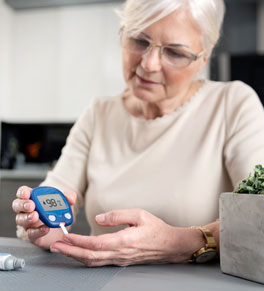
Some people with diabetes may monitor their blood glucose at home using a blood glucose meter, while others may use a continuous glucose monitor (CGM). Some people may have their blood glucose checked during routine medical care.
The frequency with which you test your blood sugar depends on your type of diabetes, what drugs you’re taking, what your treatment goals are, and other health conditions. Your care provider can advise on how to monitor blood sugar and when for your situation.
By noting trends in blood sugar levels, you and your healthcare professional may be able to recognize what affects your blood sugar and how your therapy is working. Trends can also show if changes to your treatment plan are necessary.
A CGM continuously measures glucose and can help some people understand blood glucose patterns throughout the day. Whether a CGM is appropriate depends on factors such as the type of diabetes, treatment plan, and individual needs.
As your care provider will be able to advise, these devices can be especially valuable in some situations.
Personalization is key when it comes to blood sugar management. Don’t change your medication or insulin regimen, diet, or exercise habits based on a single number. Speak with your care professional if you’re becoming regularly too high or too low, or if you notice other problems.
Keep Up With Regular Diabetes Care
Diabetes management includes regular check-ups with a healthcare professional. This allows the team to assess the current state of the patient’s health, review medications, blood glucose data, A1C tests, blood pressure, cholesterol levels, and weight or other concerns.
The frequency of testing is different for each person and depends on their treatment plan and overall health state.
Hence, if blood sugar levels are regularly abnormal, a medication dose is uncomfortable or ineffective, or there are any other issues with the treatment plan, consult your diabetes care team.
The key to effective diabetes management is not to be perfect but to do what is necessary for improvement and feel better. It also means taking all the medications as prescribed, tracking the health indicators advised by your care team, and having all the appointments, even if the treatment seems ineffective.
Know Your Diabetes ABCs
Managing diabetes involves more than blood glucose alone. The CDC recommends discussing your diabetes ABCs with your healthcare team:
- A — A1C: A blood test that measures average blood glucose over the previous 2 to 3 months.
- B — Blood pressure: Keeping blood pressure within your individualized target can help reduce cardiovascular and other health risks.
- C — Cholesterol: Managing cholesterol is important for reducing cardiovascular risk.
- S — Smoking: If you smoke, quitting can reduce the risk of heart disease, stroke, and other complications.
Your healthcare team can help determine the appropriate targets for your A1C, blood pressure, and cholesterol based on your individual health and treatment needs.
Diabetes Education and Self-Management Support
Education is an essential component of diabetes care.
Diabetes Self-Management Education and Support (DSMES) are designed to enable people with diabetes to acquire knowledge and skills for managing the disease in their daily lives.
Depending on the program, education can include training and guidance in:
- Healthy eating
- Physical activity
- Medicine use
- Self-monitoring blood glucose
- Avoiding and managing complications
- Problem-solving techniques
- Coping mechanisms
- Collaborating with health care providers.
DSMES is critical for managing diabetes because people have to make many choices and decisions in their daily lives in addition to those made in partnership with their health care providers.
They must make informed decisions about diet, exercise, medication, monitoring, managing acute and chronic complications, and addressing other issues that arise in their diabetes care, including sick days and travel.
National Diabetes Prevention Program vs. DSMES
The two programs serve different purposes.
The National Diabetes Prevention Program (National DPP) is intended for people with prediabetes or an increased risk of developing type 2 diabetes. Its lifestyle-change program focuses on reducing or delaying the risk of type 2 diabetes through healthier eating, physical activity, and weight management.
Diabetes Self-Management Education and Support (DSMES) is intended for people who already have diabetes. It helps them develop practical skills for managing diabetes, including healthy eating, physical activity, medications, blood glucose monitoring, and coping with the condition.
Understanding the difference can help you ask your healthcare professional which type of support may be appropriate for you.
Community Resources for Diabetes Prevention and Management
Forrest County and Hattiesburg residents may be able to find a healthcare provider, diabetes education and counseling, community health center, physical-activity programs, and diabetes prevention programs.
Availability of specific programs can vary. Call the organization to confirm availability of services, hours, eligibility requirements, fees or insurance requirements, and whether an appointment or referral is needed.
Good places to start include a primary-care provider, your local healthcare facility, a registered dietitian, diabetes education and counseling service, or a CDC-recognized Diabetes Prevention Program.
Examples of community resources that may be helpful in managing or preventing diabetes include:
- Diabetes screening: Primary-care provider or qualified healthcare professional
- Prediabetes prevention: CDC-recognized National Diabetes Prevention Program
- Diabetes management education: Diabetes Self-Management Education and Support (DSMES)
- Nutrition guidance: Registered dietitian or qualified healthcare professional
- Physical activity guidance: Healthcare professional or qualified exercise professional when needed
- Low-cost or community-based care: Local community health centers and healthcare resources.
It is important that you contact an organization directly to learn about the programs they offer, eligibility requirements, costs (if any), and whether appointments are necessary.
Community resources can change, so programs that may have been available when this article was published may no longer be available, and new programs may have been added since its publication.
Practical Steps Forrest County Residents Can Take
When it comes to preventing diabetes, baby steps beat big leaps.
Know your risks and get checked
Talk to your doctor about your risk factors and whether you should be tested.
Your risk factors include age, family history, being overweight or inactive, having had prediabetes or gestational diabetes, and other health problems.
Get more exercise
Get daily physical activity, and try to get at least 150 minutes of moderate-intensity exercise weekly, if possible.
Eat better
Eat more vegetables, fruits, legumes, whole grains, nuts, seeds, and lean proteins. Reduce added sugars and highly processed foods.
Lose weight, if you’re overweight
Losing even a small amount of weight can help if you have prediabetes.
Sleep better
Get plenty of sleep at night, and seek treatment for chronic insomnia or other sleep problems.
Learn to cope
Coping strategies could include walking, breathing exercises, meditation, spending time with friends, pursuing hobbies, seeking professional counseling, and other calming activities.
If you have diabetes, take your medication as prescribed
Don’t stop or change your medication without talking to your doctor.
Know about diabetes
Ask your healthcare professional about Diabetes Self-Management Education and Support (DSMES) or a CDC-recognized Diabetes Prevention Program.
Ask for help at screenings, education classes, nutrition counseling, and more
Health care professionals in Forrest County and Hattiesburg can help you get the services you need, including health screenings, diabetes education and prevention classes, and physical activity programs.
For residents who want to understand why diabetes is such an important issue locally, see our article on why diabetes is rising in Forrest County and Hattiesburg.
For information about the effect diabetes can have on everyday life, see our guide to how diabetes affects daily life in Hattiesburg and Forrest County.
When to Talk With a Healthcare Professional
Do not wait for a routine screening appointment if you have symptoms that may suggest diabetes, repeatedly abnormal blood glucose readings, frequent episodes of low or high blood glucose, medication side effects, or difficulty managing your diabetes.
If you have concerns about blood glucose, medications, or your diabetes risk, speak with a qualified healthcare professional rather than trying to diagnose or treat the problem yourself.
Frequently Asked Questions About Diabetes in Forrest County and Hattiesburg:
What is the diabetes prevalence in Forrest County and Hattiesburg?
Diabetes prevalence estimates can vary at the county level based on the surveillance system, year, estimation approach, and whether the number is crude or age-adjusted.
CDC PLACES offers model-based local estimates instead of a count of persons who have been diagnosed with diabetes.
As such, a diabetes prevalence should always be accompanied by its source and year to avoid considering it a static value.
Where can Forrest County residents get screened for diabetes?
Forrest County residents can start by contacting a primary-care physician or other qualified medical professional.
Depending on the patient’s specific needs, a healthcare professional may recommend an A1C test or any other blood glucose screening.
Additionally, local hospitals or healthcare facilities can offer diabetes screening. It is best to contact the facility to verify what testing options are available, whether insurance is accepted, and if an appointment is needed.
What are the risk factors for type 2 diabetes?
Common risk factors include:
- overweight or obesity,
- physical inactivity,
- increasing age,
- family history,
- prediabetes,
- previous gestational diabetes, and
- certain other medical conditions.
Having multiple risk factors increases the likelihood of developing the disease, but it is not guaranteed.
Can you prevent type 2 diabetes?
Type 2 diabetes can often be prevented or delayed, particularly among people with prediabetes or an increased risk of developing the condition. The CDC’s National Diabetes Prevention Program uses evidence-based lifestyle changes to reduce the risk of developing type 2 diabetes.
In the Diabetes Prevention Program study, a lifestyle intervention targeting about 5% to 7% weight loss and at least 150 minutes of physical activity per week reduced the risk of developing type 2 diabetes by 58% among adults at high risk.
How much exercise is recommended for someone with prediabetes?
According to the CDC, adults with prediabetes should perform at least 150 minutes of moderate-intensity physical activity, such as brisk walking, every week. This can be achieved by engaging in physical activities for 30 minutes a day, five days a week.
People with chronic conditions or other physical impairments should consult their healthcare professional about the most appropriate exercise regimen.
Can you reverse prediabetes?
For some people, blood glucose levels return to normal after making lifestyle changes, losing weight when appropriate, or changing other risk factors.
However, going back to a normal range of blood glucose does not mean that the risk is gone. Maintaining a healthy lifestyle and receiving screening in accordance with recommendations is still required.
If a person has prediabetes, they should consult a healthcare professional to receive a personalized prevention plan that can help reduce or delay the development of type 2 diabetes.
How often should people get their blood sugar tested?
There is no single testing schedule that applies to everyone. Screening frequency depends on factors such as age, risk factors, previous test results, and medical history.
For people who already have diabetes, the frequency of blood glucose monitoring depends on the type of diabetes, medications, treatment goals, and individual circumstances. Ask your healthcare professional when you should be screened or how often you should monitor your blood glucose.
What are common health complications of diabetes?
Diabetes may cause a variety of complications in various body systems if the levels of blood glucose, pressure, and cholesterol are not properly controlled.
Potential complications of diabetes include:
- cardiovascular diseases and stroke,
- chronic kidney disease,
- neuropathy,
- diabetic retinopathy, and
- podiatry disorders that require a medical examination to prevent severe health issues.
Appropriate diabetes treatment, blood glucose management, and regular medical care can help reduce the risk of complications and identify problems early. People with diabetes should follow their healthcare team’s recommendations for eye, kidney, foot, cardiovascular, and other appropriate assessments.
What Is the Difference Between Prediabetes and Diabetes?
Prediabetes is when your blood glucose levels are higher than normal, but they haven’t reached the diagnostic range for diabetes. When your blood glucose levels do reach the diagnostic range, you have diabetes. Healthcare professionals can test to see which category you fall into.
What Are the Early Signs of Diabetes?
Some people with diabetes have few or no noticeable symptoms. Possible symptoms include increased thirst, frequent urination, unexplained weight loss, fatigue, blurred vision, or increased hunger. People experiencing possible symptoms should seek medical evaluation rather than waiting for a routine screening appointment.
What Is DSMES?
Diabetes self-management education and support is a service that focuses on empowering patients to take care of their disease through a certain set of skills they should acquire.
The service includes the education on healthy eating, physical exercise, administration of drugs, monitoring of blood sugar levels, coping mechanisms, and methods of preventing and managing complications associated with the illness.
Can you replace diabetes treatment with over-the-counter supplements?
No. Dietary (or herbal) supplements should not be used as a substitute for prescribed diabetes treatments
Some supplements may actually lower blood glucose levels or interfere with diabetes drugs. In addition, the safety and effectiveness of supplements can vary widely depending on the specific ingredients and quality of the product.
If you are taking any diabetes medications or insulin, ask your health care professional if it is okay to also take the supplement. This is especially important if the product is being promoted as a “natural” way to lower blood glucose or a substitute for diabetes medication.
Bottom Line
Preventing and managing diabetes in Forrest County starts with understanding your personal risk and taking practical, evidence-based steps.
For people with prediabetes or an increased risk of type 2 diabetes, appropriate screening, regular physical activity, a balanced eating pattern, healthy weight management when appropriate, adequate sleep, and other sustainable lifestyle changes can help reduce or delay the risk of developing type 2 diabetes.
For people who already have diabetes, lifestyle changes are only one part of care. Medication when prescribed, blood glucose monitoring when recommended, regular medical follow-up, diabetes education, and management of cardiovascular risk factors are also important.
There is no single diet, supplement, exercise program, or treatment that works for everyone. The most appropriate approach depends on the type of diabetes and each person’s medical circumstances.
For Forrest County and Hattiesburg residents, the most useful first step is to speak with a qualified healthcare professional about screening, prevention, or diabetes management and then build a plan that can realistically be maintained over time.
References:
- Centers for Disease Control and Prevention (CDC). National Diabetes Prevention Program.
National Diabetes Prevention Program - Centers for Disease Control and Prevention (CDC). Diabetes Self-Management Education and Support (DSMES).
Diabetes Self-Management Education and Support - Centers for Disease Control and Prevention (CDC). Diabetes Self-Management Education and Support (DSMES) Toolkit.
DSMES Toolkit - National Institute of Diabetes and Digestive and Kidney Diseases (NIDDK). Diabetes Tests & Diagnosis.
Diabetes Tests & Diagnosis - National Institute of Diabetes and Digestive and Kidney Diseases (NIDDK). The A1C Test & Diabetes.
The A1C Test & Diabetes - National Institute of Diabetes and Digestive and Kidney Diseases (NIDDK). Diabetes & Prediabetes Tests.
Diabetes & Prediabetes Tests - U.S. Census Bureau. QuickFacts: Forrest County, Mississippi.
Forrest County, Mississippi — QuickFacts - Why Trust Us?
- For Educational Purposes Only

admin
All Posts