
Living with diabetes goes beyond just managing blood sugar levels. Diabetes impacts meal plans, drug dose, workout regimes, work and school, emotional well-being, family life, medical care, and finances in Hattiesburg and Forrest County.
The effects are different for each individual depending on their type of diabetes, treatment method, age, work, general well-being, access to care, and family caregivers.
Forrest County is a good example of why local health data matters. The CDC’s PLACES program provides county-level information on chronic disease indicators and helps communities understand differences in health across jurisdictions.
Learning how to use a glucometer for daily blood sugar management can help people understand their readings and follow their treatment plan more effectively.
This resource offers essential information on how living with diabetes affects people’s daily lives and what they should do in response in Hattiesburg and Forrest County.
Article Index
- Day-to-day diabetes management
- Balancing diabetes with work and school
- Food, physical activity, and daily routines
- Emotional health and diabetes distress
- Diabetes complications and preventive care
- The financial burden of diabetes
- The role of family and caregivers
- Diabetes support and healthcare resources in Forrest County
- Frequently asked questions
- Conclusion
Day-to-Day Diabetes Management in Hattiesburg
Diabetes management can turn everyday moments into a series of health-related activities.
Depending on the individual’s treatment plan, these may involve blood glucose monitoring, medication administration, meal planning, physical activity, physician visits, and assessment of diabetes symptoms, such as high or low blood sugar.
The CDC emphasizes the importance of blood glucose monitoring in accordance with the patient’s treatment plan. For instance, some people may need to measure their blood sugar multiple times a day, while others may use a continuous glucose monitor (CGM) or need less frequent testing.
Overall, there is no standard frequency of blood tests for patients with diabetes.
In addition, a diabetic person must account for medication administration. Individuals with insulin or other glucose-reducing medications must strictly follow the physician’s instructions.
Missing doses or changing insulin doses without medical guidance can increase the risk of blood sugar problems and other complications.
Furthermore, a diabetic person must examine their feet daily for ulcers, blisters, swelling, cuts, and other abnormalities and bring the issue to a healthcare provider’s attention.
Managing diabetes involves more than checking blood sugar. Food choices, physical activity, medication, appointments, sleep, and emotional health can all become part of managing diabetes.
Finally, while all these aspects of treatment are rather simple and straightforward, they still require time and energy from a patient.
Balancing Diabetes With Work and School
Diabetes does not cease to exist during employment or schooling.
An individual may have to plan meals around his or her work schedule, bring medication or blood glucose monitoring devices to the workplace or school, take breaks to manage diabetes or engage in physical activity as part of diabetes care.
This may pose a challenge to some who have variable schedules or whose occupation includes sitting for long periods, working physically demanding jobs, driving, or having limited break time.
Similar issues may arise for students with regard to academic classes, examinations, sports, extracurricular activities and social events.
The aim is to ensure that diabetes does not stop people from pursuing their occupation or studies.
Rather, diabetes management needs to be fitted into their existing routine.
With a little planning, it is possible for individuals to adjust to a busy work or school schedule and continue managing diabetes effectively.
For instance, it may be helpful to keep a supply of materials needed to manage diabetes at work or school, request reasonable workplace accommodations where applicable, and inform responsible adults of how to respond in case of a serious health concern, such as severe hypoglycemia.
It is advisable to speak with healthcare providers about work or school related concerns when diabetes management interferes with routine or normal functioning.
Food, Physical Activity, and Daily Routines
Food is one of the main concerns for people who have diabetes since carbohydrate-rich products influence blood glucose levels.
However, it does not mean that patients will have to give up all the foods they love.
A balanced diet includes appropriate portions of vegetables, high-fiber foods, whole grains or minimally processed carbohydrates, protein, and healthy fats, while limiting “sugary” foods and highly processed meals.
It also depends on whether the patient uses insulin or diabetic drugs that might reduce blood sugar too much.
Another important aspect of diabetes treatment is physical activity.
Regular physical activity can improve insulin sensitivity and help with blood glucose management.
The CDC generally recommends that adults aim for at least 150 minutes of moderate-intensity physical activity each week, although individual needs vary.
However, a person with diabetes should calculate their activity plan considering other diseases or treatments.
For example, in Hattiesburg and Forrest County, the warm weather and humidity impose certain conditions on outdoor activities.
When it is too hot and humid outside, it is better to plan exercises indoor or avoid such weather conditions.
Also, it is vital to remember to drink plenty of water during exercises and follow the advice and recommendations of medical workers.
The most effective exercise is the one a person will actually do regularly.
Emotional Health and Diabetes Distress
Living with diabetes can be stressful.
People with diabetes must make decisions about diet, drugs, and glucose levels.
They also have to consider exercise, regular checkups, and possible problems.
The constant hassles of the diabetes control can cause frustration and discourage a person.
The CDC describes diabetes distress as a feeling of frustration, loss of control, and discouragement linked with the disease management. It is also a sense of overwhelm, hopelessness, and emptiness about one’s ability to cope.
It is not depression, though the two conditions often occur together.
There are certain signs and symptoms of diabetes distress, which are frustration with the management of the disease, loss of desire to check the glucose levels, missing visits, or feeling that one’s life is being controlled by the illness.
The diabetes distress is a common occurrence among people living with the condition, and it can be helped.
A person can ask for help from healthcare professionals, diabetes educators, counselors, social workers, family members, or friends.
Diabetes self-management support services provide education and assistance that teaches how to deal effectively with the condition and its daily demands and hassles.
Asking for help does not indicate that a person is not handling the diabetes disease properly.
It simply shows that they are willing to learn how to cope after being empowered to take charge of the illness.
Diabetes Complications and Preventive Care
One of the reasons why diabetes alters daily life is the fact that people live with the risk of long-term complications.
Chronically high blood sugar can damage the eyes, kidneys, nerves, heart, and blood vessels. Diabetes can also raise the risk of cardiovascular disease.
This does not mean that everyone who has diabetes will experience these complications.
Good diabetes care aims to reduce the risk through individualized glucose management, regulation of blood pressure and cholesterol, physical activity, healthy diet, medications if needed, and screening recommendations.
Routine preventive care may include:
- A1C testing
- blood pressure checks
- cholesterol testing
- kidney function and urine testing when recommended
- eye examinations
- foot examinations
- medication reviews
- discussions about physical activity and nutrition
People should not wait for symptoms to appear to schedule an appointment for a routine diabetes checkup. Some of the complications that can arise as a result of diabetes can take a while to manifest.
A routine checkup creates an opportunity for medical professionals to spot the issue early on and make adjustments to one’s treatment plan if need be.
The Financial Burden of Diabetes
The cost of diabetes can also affect everyday life.
Expenses may include:
- prescription medicines
- insulin when prescribed
- glucose meters and testing supplies
- continuous glucose monitoring systems
- medical appointments
- laboratory testing
- eye examinations
- transportation to appointments
- diabetes education
- treatment of diabetes-related complications
The cost of diabetes care varies considerably by individual. Insurance coverage, medication choice, treatment regimens or requirements, deductibles, and eligibility for assistance programs can all influence what an individual is billed or charged.
As such,
Broad statements about how much people with diabetes spend each month can be misleading. People who cannot afford to pay for diabetes care should talk to their healthcare provider, pharmacist, insurer, or other community resources to see if there are more affordable treatment options, eligibility for assistance programs, or other resources that can help.
Financial concerns should not prevent people with diabetes from receiving the care they need.
The Role of Family and Caregivers
Diabetes has an impact in more than one area for the person who is diagnosed.
Family members may be engaged in making plans for meals, grocery shopping, transportation, medication administration, glucose monitoring, appointments, or responses to episodes of hypoglycemia.
The most helpful support is collaborative rather than controlling.
For example, family members can help by:
- making healthy eating a family affair
- encouraging physical activity
- helping with appointments when needed
- learning about the warning signs of low blood sugar
- helping with medication routines
- listening when the person is feeling frustrated
- not being judgmental when setbacks occur
At the same time, it’s important that people with diabetes continue to make many decisions about their care.
Family members should try not to add stress to the person’s daily life and diabetes regimen
Diabetes Support and Healthcare Resources in Forrest County
People who are living in Hattiesburg and Forrest County can find local healthcare resources for them.
The address of the Forrest County Health Department is 5008 Old Highway 42, Hattiesburg. According to the Mississippi State Department of Health, it is open Monday through Friday, 8:00 a.m. to 5:00 p.m. To make an appointment for county health department services, an individual may call the provided number.
People can ask their healthcare provider about Diabetes Self-Management Education and Support (DSMES) programs. These programs are available to teach patients and help them acquire skills needed to integrate diabetes care into their daily lives.
The CDC has a national resource for DSMES programs, which can be searched by state, city, or ZIP code.
When seeking local diabetes care, it is essential to ask about:
- diabetes education
- nutritional counseling
- medication management
- glucose-monitoring education
- help with lifestyle modification
- mental health services
- assistance with the costs of diabetes supplies or medications
The programs and services may vary, so it is important to contact the provider to learn what is available.
Residents can also learn more about preventing and managing diabetes in Forrest County, including lifestyle changes, screening, physical activity, and diabetes education.
FAQs:
How does diabetes impact the everyday life of the residents of Hattiesburg and Forrest County?
It can impact a person’s diet, medication routine, glucose monitoring, physical activity, doctor’s appointments, work and school, financial situation, and mental well-being. This depends on each person’s situation.
Do diabetes patients need to test their blood sugar many times a day?
It depends on the patient’s condition, medications, insulin usage, risk of hypo- or hyperglycemia, glucose monitoring method, and other factors. People with diabetes should discuss glucose monitoring frequency with their healthcare provider.
Are there any restrictions for patients with diabetes in terms of work and school?
People with diabetes can work and study normally. They can resume most physical activities, including sports and travel, if properly managed. It may require some additional organization to adjust to diabetes and its treatment.
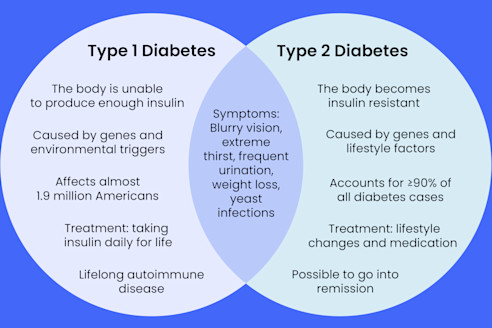
Is there a chance that type 2 diabetes could go into remission?
Remission is possible in cases of type 2 diabetes, although the American Diabetes Association and other organizations do not consider diabetes curable. Experts advise to continue glucose monitoring even during remission, as high glucose levels could return.
The international consensus definition describes remission as an HbA1c below 6.5% that persists for at least three months without usual glucose-lowering medication. Everyone with diabetes should consult with their healthcare provider to prevent glucose level spikes.
Are there particular foods that are known to be especially harmful for patients with diabetes?
There is a list of foods that is not recommended for people with diabetes due to being high in carbohydrates or unhealthy nutrients. However, there is no official list of foods that all diabetic patients are totally forbidden to eat.
Each person should calculate their own carbohydrate needs and organize their meals with the help of a healthcare professional. Carbohydrate consumption should be individual for each person with diabetes, depending on their condition and treatment regimen, including insulin.
Could the disease negatively affect the mental health of the patients?
Diabetes management could be stressful and affect the psychological well-being of the patients. They might experience frustration due to glucose level spikes and other stressors related to the disease. In these cases, consulting with a healthcare professional is advised.
Are there any serious complications associated with diabetes?
Yes, there are a number of diabetes-associated conditions, such as kidney disease, diabetic retinopathy, neuropathy, and cardiovascular disease. Regular tests and check-ups recommended by a healthcare professional can help identify these complications and associated risks.
Where could a diabetic resident of Forrest County get professional help and advice?
They could contact their local health department or consult with their healthcare provider. The latter would be able to recommend a diabetes education and self-management program. The CDC website also has a database of approved programs.
Conclusion
Diabetes may affect a number of areas in the daily life of a person in Hattiesburg or Forrest County. It can dictate what one eats, the medicines one takes, the amount of physical activity, blood sugar levels, doctor visits, work or school, and how to cope with the disease’s emotional and financial costs.
However, diabetes is not necessarily a life-limiting disease.
An appropriate treatment plan, proper management and control of the disease with medical help, diabetes education, family support, and the availability of local resources can tremendously help patients in the day-to-day demands of managing the condition.
The key to a successful treatment of diabetes is to view diabetes as a chronic condition that requires ongoing attention and regular care.
Medical Disclaimer
This article is for educational purposes only and should not be used as a substitute for individualized medical advice, diagnosis, or treatment. Diabetes treatment and blood glucose targets are highly individualized.
Do not change or stop any prescribed medication without consulting your healthcare professional.
For more information about our editorial approach, see Why Trust BestDietarySupplementForDiabetics.com? , and our Medical Disclaimer and Health Information Policy.
References:
- CDC — Manage Blood Sugar
https://www.cdc.gov/diabetes/treatment/index.html - CDC — Your Diabetes Care Schedule
https://www.cdc.gov/diabetes/treatment/your-diabetes-care-schedule.html - CDC — Diabetes and Mental Health
https://www.cdc.gov/diabetes/living-with/mental-health.html - CDC — Diabetes Self-Management Education and Support (DSMES)
https://www.cdc.gov/diabetes/education-support-programs/index.html - CDC — Find a DSMES Program
https://www.cdc.gov/diabetes/education-support-programs/find-a-dsmes-program.html - CDC — Living With Diabetes
https://www.cdc.gov/diabetes/living-with/index.html - CDC — PLACES: Local Data for Better Health
https://www.cdc.gov/places/about/index.html - Mississippi State Department of Health — Forrest County Health Department
Forrest County Health Department - American Diabetes Association — Consensus Report: Definition and Interpretation of Remission in Type 2 Diabetes
ADA Consensus Report on Type 2 Diabetes Remission - CDC — Steps to Help You Stay Healthy With Diabetes
https://www.cdc.gov/diabetes/caring/steps-to-help-you-stay-healthy-with-diabetes.html

admin
All Posts