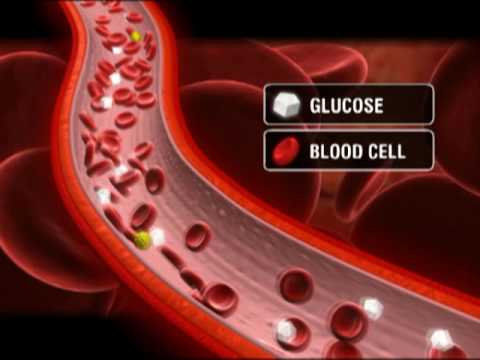
If you have diabetes or are struggling with high blood sugar, you may have wondered if dietary supplements could help bring down blood glucose, improve insulin sensitivity, or otherwise positively impact your condition. It is not as simple as some manufacturers of these supplements may want you to believe
It is true that some dietary supplements have been studied for their potential benefits for blood sugar and the body’s ability to process it but there is a large variance between the different supplements and the quality of the research conducted on them.
The 2026 American Diabetes Association (ADA) Standards of Care do not recommend using micronutrient supplements such as magnesium or chromium, or herbs and spices such as cinnamon, specifically for glycemic benefits.
If you’re searching for supplements to lower blood sugar, the most important question isn’t simply which ingredient has the best reputation. It’s whether the supplement has been shown in well-designed human studies to produce meaningful improvements in blood glucose or HbA1c—and whether it is safe to use alongside your existing diabetes treatment.
This does not mean that all supplements are ineffective or inappropriate; it means that they should not be relied upon as an alternative to actual medical care to treat or manage diabetes.
This guide will explain further exactly how these supplements may impact your blood sugar, what the science says about it, any potential risks or concerns associated with those supplements, and how to evaluate a supplement if you are considering using one alongside your diabetes care plan.
Key Takeaways:
- Some dietary supplements have been studied for their potential effects on blood glucose, but evidence varies considerably between ingredients.
- The 2026 ADA Standards of Care do not recommend micronutrients such as magnesium or chromium, or herbs and spices such as cinnamon, specifically for glycemic benefits.
- NCCIH reports limited or inconclusive evidence for several commonly marketed supplements, including chromium, cinnamon, and berberine.
- Supplements can interact with diabetes medications and may present additional risks for people with kidney or liver problems.
- A supplement should not replace prescribed diabetes medication, glucose monitoring, a healthy eating pattern, physical activity, or other evidence-based diabetes care.
Article Index
- Can Dietary Supplements Affect Blood Sugar?
- Why Can Supplements Change Blood Sugar?
- Which Dietary Supplements Have Been Studied for Blood Sugar?
- Magnesium and Blood Sugar
- Chromium and Blood Sugar
- Cinnamon and Blood Sugar
- Berberine and Blood Sugar
- Omega-3 Fatty Acids and Blood Sugar
- Alpha-Lipoic Acid and Blood Sugar
- Bitter Melon and Other Herbal Supplements
- Can Supplements Interact With Diabetes Medications?
- Can Supplements Cause Low Blood Sugar?
- Hidden Sugars and Other Ingredients in Supplements
- How to Choose a Safe Dietary Supplement for Diabetes
- Should You Monitor Blood Sugar When Starting a Supplement?
- Frequently Asked Questions
- Bottom Line
Can Dietary Supplements Affect Blood Sugar?
Yes, some of them may influence blood glucose levels, but this does not necessarily mean that they can effectively treat diabetes.
Various components affect the human body in different ways.
Researchers have studied the influence of supplements on:
- the sensitivity of insulin receptors
- insulin secretion
- glucose absorption
- carbohydrate metabolism
- inflammatory processes
- lipid metabolism
- oxidative stress
- nutrient deficiencies associated with glucose metabolism
However, the fact that a supplement may positively affect one of the processes does not mean that it will have a clinically significant effect on a disease such as diabetes.
For example, a supplement may show positive results in reducing fasting glucose levels in clinical trials, but not significantly reduce HbA1c levels. In addition, different studies may produce conflicting results.
Therefore, it is important to distinguish between:
“this supplement has been studied”
and
“this supplement is proven to treat diabetes.”
These two statements are not equivalent in any way.
NCCIH notes that some dietary supplements, including chromium, cinnamon, and berberine, might help improve blood sugar control in some people. However, the research is not strong enough to draw definite conclusions about their effectiveness.
However, research results are not consistent enough to conclude definitively whether such supplements can impact diabetes.
Why Can Supplements Change Blood Sugar?
A supplement may be associated with blood glucose reduction via several mechanisms.
- Effects on insulin sensitivity
The impact of certain nutrients and plant compounds on the sensitivity of cells to insulin has been studied.
Increased tissue sensitivity to insulin may facilitate the transfer of glucose molecules from the circulation into cells.
Nevertheless, the results of animal experiments or small-scale clinical trials cannot be extrapolated into a significant blood glucose decrease in a person with diabetes.
- Effects on glucose metabolism
Some supplements contain nutrients that are actively involved in metabolic processes. For instance, magnesium plays a critical role in carbohydrate metabolism since it is included in the mechanism of action of hundreds of enzymes.
The role of this mineral is undeniable; however, it does not mean that a patient with diabetes will benefit from magnesium supplementation.
- Effects on carbohydrate absorption
The impact of certain plant compounds on carbohydrate digestion or glucose absorption has been studied.
The clinical significance of this property depends on the individual nutrient, the composition of the supplement, and the daily dose.
- Interactions with diabetes medications
This property of supplements is the most dangerous one because a supplement with glucose-lowering properties may add to the effect of insulin or diabetic drugs, thus, causing hypoglycemia.
Anyone taking diabetes medication should discuss a new blood-sugar supplement with a healthcare professional before using it.
Which Dietary Supplements Have Been Studied for Blood Sugar?
Researchers have investigated many different supplements and natural products in people with diabetes.
The evidence is not equally strong for all of them.
| Supplement | What research has studied | What the evidence suggests | ADA/NCCIH position | Important safety considerations |
|---|---|---|---|---|
| Magnesium | Glucose metabolism, insulin sensitivity, fasting glucose | Possible benefit in some studies, but inconsistent | Not recommended specifically for glycemic benefit | GI effects; caution with impaired kidney function |
| Chromium | HbA1c, fasting glucose, insulin resistance | Mixed/inconsistent evidence | Not recommended specifically for glycemic benefit | Possible drug interactions; caution with kidney/liver disease |
| Cinnamon | Fasting glucose, insulin sensitivity | Mixed evidence | Not recommended specifically for glycemic benefit | Coumarin in cassia cinnamon; liver concerns at high exposure |
| Berberine | Blood glucose, insulin resistance, lipids | Promising but insufficient for firm conclusions | Not established as diabetes treatment | Drug interactions; GI effects |
| Omega-3 | Glucose, triglycerides, cardiovascular outcomes | Does not reliably lower blood glucose | Not recommended as a glucose-lowering treatment | Consider medication interactions and product-specific safety |
| Alpha-lipoic acid | Blood glucose and diabetic neuropathy | Not shown to reliably improve blood glucose | Not established for glycemic control | GI effects and possible interactions |
| Bitter melon | Blood glucose | Limited/inconsistent evidence | Not established as diabetes treatment | Potential glucose-lowering/drug-interaction concerns |
NCCIH emphasizes that differences in study populations, supplement formulations, doses and study quality make it difficult to draw firm conclusions about many of these products.
Magnesium and Blood Sugar
Magnesium is an essential mineral involved in hundreds of biochemical reactions in the body, including processes related to glucose metabolism and insulin action.
While individuals who consume more magnesium-rich foods seem to have a lower risk of developing type 2 diabetes, observational studies cannot establish cause-and-effect relationships; therefore, magnesium supplements cannot be said to prevent or cure diabetes.
Moreover, magnesium supplementation has been investigated in patients with type 2 diabetes, and while several systematic reviews report beneficial effects on fasting glucose levels and insulin resistance, these effects appear to be inconsistent.
The 2026 ADA Standards of Care do not recommend magnesium supplementation specifically for glycemic benefits in people with diabetes. This does not mean magnesium supplementation is never appropriate; supplementation may be appropriate when a documented deficiency or another clinical indication exists.
If you are interested in exploring the link between magnesium and diabetes in greater detail, you can consult our evidence-based magnesium guide.
It is also important to note that magnesium supplements can cause gastrointestinal discomfort, including diarrhea, nausea, and abdominal cramps, when administered in large doses. In addition, people with reduced kidney function should be careful when considering magnesium supplementation, as impaired kidney function is a risk factor for magnesium toxicity.
Chromium and Blood Sugar
Chromium is a trace mineral found in food that plays a role in nutrient metabolism.
Research on chromium supplementation and diabetes has produced mixed results. Some systematic reviews have reported modest improvements in measures such as HbA1c, fasting blood glucose, or insulin resistance, while other analyses have found little or no meaningful benefit.
Overall, the evidence remains inconsistent, and the 2026 ADA Standards of Care do not recommend chromium supplementation specifically for glycemic benefits.
High doses of chromium supplements may cause adverse effects, and people with kidney or liver disease may be particularly susceptible. Rare reports have also linked high chromium intake with kidney or liver problems.
If you want to know more about chromium and its effects on people with type 2 diabetes, be sure to check out our in-depth guide on chromium.
Cinnamon and Blood Sugar
Cinnamon is one of the most popular spices associated with blood sugar.
Scientists have investigated whether the addition of this spice to the diet could improve fasting glucose, insulin sensitivity and other indicators of metabolism.
Although some reviews have found a tendency for improvement in fasting glucose or insulin resistance, the trials were very different, with regard to participants, preparations of cinnamon, doses and duration of intervention.
This is why it cannot be said that the addition of cinnamon to the diet is a therapy that “controls diabetes”.
The 2026 ADA Standards of Care do not recommend cinnamon supplementation for glycemic benefits.
For more information, consult our guide on cinnamon and blood sugar.
It is noteworthy that cassia cinnamon contains varying amounts of coumarin, which in large quantities can be harmful to the liver, so it should be used with caution by people with hepatitis or cirrhosis.
Berberine and Blood Sugar
Berberine is a substance derived from various plants, including barberry and goldenseal.
It has garnered significant interest due to researchers’ and clinicians’ interest in its potential impact on:
- blood sugar
- insulin resistance
- lipids
- overall metabolic health.
NCCIH notes that while there is evidence to suggest that berberine could have beneficial effects on blood sugar and insulin function, the results of individual trials were mixed, and often applied only to certain populations.
This compound may also interact with various drugs and cause digestive tract discomfort, including nausea, diarrhea, gas, and constipation. It is not recommended as a substitute for standard diabetes medications.
Berberine should not be used as a replacement for prescribed diabetes medication, and anyone taking medications should discuss its use with a healthcare professional because drug interactions are possible.
Berberine is not recommended during pregnancy or breastfeeding.
For more information, see our detailed guide to berberine and type 2 diabetes.
Omega-3 Fatty Acids and Blood Sugar
Omega-3 fatty acids can most often be obtained from fatty fish, fish oil and other sources.
Supplements of omega-3 acids have been widely studied in terms of cardiovascular effects, triglycerides and diabetes.
However, there are fewer studies on the effects of omega-3 on blood glucose.
NCCIH points out that research has yielded mixed results on the effects of omega-3 supplements on diabetes and glucose levels. Some reviews have found positive effects on certain measures of glucose tolerance, while others have found little or no significant improvement in glucose control.
Thus, omega-3 supplements cannot be used or presented as a proven method to lower blood sugar.
If you are interested in the topic, read our guide to omega-3 and blood sugar.
Alpha-Lipoic Acid and Blood Sugar
Alpha-lipoic acid is an antioxidant compound that has been the subject of clinical trials among people with diabetes.
Alpha-lipoic acid has been studied extensively for diabetic neuropathy, but it has not been shown to reliably improve blood glucose control in people with diabetes.
Alpha-lipoic acid is a good example of why evidence for one diabetes-related outcome should not automatically be interpreted as evidence for another. Research into its potential role in diabetic neuropathy does not establish it as an effective supplement for lowering blood glucose.
NCCIH cites a 2019 review of 10 studies with 553 participants that found alpha lipoic acid to be no better than a placebo in reducing blood sugar, cholesterol, or triglycerides among those with type 2 diabetes.
This represents an excellent example of why it is so important to look past flashy marketing tactics and research-backed claims surrounding a given supplement.
Something that is of biological interest and has undergone much study in the scientific realm may not prove to be of benefit in relation to the specific application for which it is intended.
Bitter Melon and Other Herbal Supplements
Bitter melon and numerous other herbal products have been studied in regards to potential effects on blood glucose levels.
If you are considering bitter melon, be sure to read our guide to bitter melon and blood sugar.
Bitter melon has been studied for its potential effects on blood glucose, but clinical evidence remains limited. Differences in preparations, doses, study designs, and participant populations make it difficult to determine whether bitter melon provides a reliable or clinically meaningful benefit for diabetes. It should not be used as a substitute for prescribed diabetes treatment.
The main takeaway should be clear: ‘Natural does not always mean effective or safe’.
Can Supplements Interact With Diabetes Medications?
Yes.
Certain supplements may interact with prescription or over-the-counter drugs.
This is of particular concern for people with diabetes if the supplement could lower blood sugar because it may cause dangerously low blood sugar levels.
Other supplements may also interfere with the way medications work in the body.
People with diabetes may also have other medical conditions, such as kidney disease, that can affect which supplements they should take.
NCCIH advises people with diabetes to talk to their health care provider before taking any dietary supplements because some supplements may interact with medications and some have been linked to kidney problems.
If you take several medications, it may also be useful to review our guide to supplements and diabetes medication interactions.
Can Supplements Cause Low Blood Sugar?
Some supplements may affect blood glucose, and certain glucose-lowering supplements or ingredients may have additive effects when combined with diabetes medications.
The risk depends on the specific supplement, medication, dose, and individual circumstances. If you use insulin or another medication that can cause hypoglycemia, speak with your healthcare professional before starting a supplement marketed for blood sugar control.
Therefore, a person who is taking a supplement and has an incident of unexpectedly low blood glucose should not conclude that the supplement is responsible for an otherwise beneficial effect.
Low blood sugar may be dangerous.
Do not stop taking or lower the dose of any medication for diabetes if a supplement appears to be lowering your blood sugar.
Before starting any new supplement consult with your health care professional if you are taking insulin or medications that can cause hypoglycemia.
Hidden Sugars and Other Ingredients in Supplements
The supplement facts panel should be noted, especially when using:
- gummies
- powders
- flavored drinks
- chewable supplements
- liquid supplements
- meal-replacement products
Some products may contain added sugars or carbohydrates that one didn’t expect.
Other products may have multiple different active ingredients, making it hard to tell which ingredient is responsible for an effect or side effect.
Read the fine print, not just what’s on the front of the package.
Always check:
- serving size
- carbohydrate content
- added sugars
- active ingredients
- amount per serving
- proprietary blends
- allergens
- manufacturer information
- suggested serving frequency
And remember that a supplement label doesn’t prove that a product will have the health benefit claimed in an advertisement.
Do not assume that “sugar-free” means carbohydrate-free, and remember that serving size matters when assessing the total carbohydrate content of a product.

How to Choose a Safe Dietary Supplement for Diabetes
If you’re considering using a supplement, decide why you want to take it.
Ask yourself
What am I trying to accomplish?
Examples might include:
- Correcting a scientifically documented nutrient deficiency
- Improving your nutritional intake of a specific nutrient
- Alleviating a specific symptom
- Enhancing a specific area of health
- Lowering blood sugar
A study on a specific ingredient does not automatically prove that a commercial supplement containing that ingredient will produce the same results. Formulation, dose, quality, and additional ingredients can all differ.
If the goal is blood sugar control, the next question should be:
What high-quality evidence shows that this ingredient improves meaningful diabetes outcomes?
Then consider safety.
Check the evidence
Seek systematic reviews, randomized clinical trials, and guidance from reputable organizations.
Do not rely on testimonials or product reviews.
Check the dose
A study that used a certain dose does not necessarily mean that the same amount of a similar product will have the same effect.
Check the ingredients
Do not assume that simply because a product includes herbs or vitamins you recognize, that it is safe.
Check for medication interactions
Make sure to tell your doctor, pharmacist, or dietitian about any supplements you are taking.
Consider your kidney and liver health
This is especially important if you have diabetes-related kidney disease or another chronic condition.
NCCIH highlights kidney-related safety issues as being particularly pertinent to people with diabetes.
Do not use supplements as replacements for your diabetes treatment
The FDA and NCCIH warn consumers about “natural diabetes cures” or products that claim to replace diabetes medicines.
A supplement should not be used as a substitute for insulin, prescribed medication, glucose monitoring or appropriate lifestyle treatment.
For more guidance, see our article on how to choose safe dietary supplements for diabetes.
Should You Monitor Blood Sugar When Starting a Supplement?
If you have diabetes and start using a new supplement, monitoring your glucose levels may help you and your healthcare professional identify unexpected changes, particularly if you take medications that can cause hypoglycemia.
Monitoring can help identify unexpected changes, but it cannot determine on its own whether a supplement caused those changes or improved long-term diabetes control.
Blood glucose levels change throughout the day and can be affected by many different things including:
- food
- exercise
- stress
- illness
- sleep
- medications
- hydration
- when you eat
- hormones
That’s why you shouldn’t jump to conclusions about the effectiveness of a supplement based on one high or low reading. If you see drastic changes in your glucose levels it’s best to talk to a medical professional about what those changes might mean.

Frequently Asked Questions About Dietary Supplements and Blood Sugar
Can dietary supplements lower blood sugar?
Some have been investigated for potential glucose-lowering effects, and a few ingredients have demonstrated possible benefits in some studies, but the evidence is not conclusive enough to determine that any reliably treat diabetes.
What is the best supplement for diabetes?
There is no dietary supplement that is recommended as the “best” supplement for treating diabetes. Whether a supplement is appropriate depends on factors such as nutritional status, medical history, medications, kidney and liver health, and the reason for taking it.
The decision may depend on nutritional status, medical history, medications, diet and the intended purpose of supplementation.
The 2026 ADA Standards of Care does not include recommendations for routine supplementation with micronutrients or herbs for reasons of glycemic benefit.
Can magnesium help blood sugar?
It plays an important role in glucose metabolism, and some studies have found improvements in certain glucose measures following magnesium supplementation, but the data are insufficient to recommend magnesium supplements routinely for glycemic benefit in most people with diabetes.
Does chromium lower blood sugar?
Some research suggests that chromium supplementation may improve an indicator of glycemic control in people with type 2 diabetes, but the effect appears to be inconsistent, and the 2026 ADA Standards of Care do not recommend it for specifically glycemic benefits.
Does cinnamon lower blood sugar?
Some studies have found that it may modestly reduce fasting blood glucose or insulin resistance in people with prediabetes or type 2 diabetes, but the results are mixed, and it should not be used as a substitute for standard diabetes therapy.
Is berberine effective for diabetes?
Berberine is a plant-derived compound found in several plants, including barberry, goldenseal, goldthread, Oregon grape and tree turmeric. It should not be used as a substitute for standard diabetes treatment.
Can omega-3 supplements lower blood sugar?
The evidence is mixed. Although they have been widely studied for cardiometabolic and triglyceride-lowering benefits, omega-3 supplements have inconsistent effects on blood glucose and hemoglobin A1c.
Can supplements cause low blood sugar?
They may have an impact on blood glucose levels and potentially contribute to hypoglycemia, especially when used in conjunction with glucose-lowering drugs. If you take insulin or other medications that can cause low blood sugar, you should talk to your doctor before adding supplements to your treatment regimen.
Should I stop taking my diabetes medicine if a supplement lowers my blood sugar?
No! Never stop, reduce or change the dose of a prescribed medication without first consulting with your healthcare professional.
An improvement in blood glucose readings could be an indication that the medication is working.
Are natural supplements safer than diabetes medicines?
Not necessarily.
The word “natural” refers to the source of an ingredient, and not necessarily its effects or side effects.
Some supplements can cause adverse effects, or have interactions, so should be used cautiously by people with medical conditions.
How can I be sure that a supplement is actually helping?
Look for clinical evidence rather than testimonials or casual reports.
If you have diabetes, discuss it with your healthcare professional, and continue to follow your diabetes-care plan.
Bottom Line: Do Dietary Supplements Affect Blood Sugar?
Dietary supplements represent a diverse category of products capable of impacting the human body through a variety of mechanisms, making the establishment of a singular method of interaction with blood sugar challenging.
However, there is an important distinction between a supplement that has been studied for its biological effects and one that has been clinically proven to improve meaningful diabetes outcomes.
Supplements such as magnesium, chromium, cinnamon, berberine, omega-3 fatty acids, alpha-lipoic acid, and bitter melon have all been investigated for their potential effects on blood glucose or related metabolic outcomes.
However, the quality, size, formulations, doses, and results of these studies vary considerably, and the available evidence does not establish these supplements as reliable treatments for diabetes.
The available data does not support the use of dietary supplements as a replacement for diabetes medications, a healthy diet, regular exercise, glucose monitoring or other evidence-based tools in diabetes care. The 2026 ADA Standards of Care do not recommend micronutrient supplements, herbs, or spices specifically for glycemic benefits.
This does not necessarily rule out a supplement’s potential contribution in a uniquely individual scenario.
A supplement may be indicated in the presence of documented deficiencies, a unique nutritional requirement or additional therapeutic application.
The relevant questions then shift from “What is the best supplement for reducing blood sugar?”
to
“Is there valid evidence supporting the use of this substance for my intended application, and is it compatible with my medications and medical condition?”
You can also explore our detailed guides on magnesium and type 2 diabetes, chromium and type 2 diabetes, cinnamon and blood sugar.
Important Disclaimer:
This article is for educational and informational purposes only. It does not replace the advice of a qualified healthcare professional. It is not intended to provide individual medical advice, diagnosis or treatment.
Dietary supplements can have side effects and can interact with prescription drugs or OTC medications. If you have diabetes, kidney disease, liver disease, are pregnant or breastfeeding, or are taking glucose-lowering medication, consult your healthcare provider before taking any supplements.
You should never stop, reduce or replace prescribed diabetes medication based on information presented in this article.
References:
- Reference 1 — ADA
- American Diabetes Association — Standards of Care in Diabetes—2026, Section 5
- Reference 2 — NCCIH
- NCCIH — Diabetes and Dietary Supplements: What You Need To Know
- Reference 3 — NCCIH Clinical Digest
- NCCIH — Type 2 Diabetes and Dietary Supplements: What the Science Says
- Reference 4 — NCCIH
- NCCIH — Type 2 Diabetes and Dietary Supplements
- National Institutes of Health, Office of Dietary Supplements. Chromium — Fact Sheet for Health Professionals.
- NIH Office of Dietary Supplements — Chromium Fact Sheet for Health Professionals
- National Institutes of Health, Office of Dietary Supplements. Magnesium — Fact Sheet for Health Professionals.
- NIH Office of Dietary Supplements — Magnesium Fact Sheet for Health Professionals
- Why Trust us?
- For Educational Purpose Only
Last reviewed: September 2026
